

 English

















































































































































































































































































































































































































































































































































































































































































































































































































































































































































































































































































































































































































































































































































































































































































































































































































































































































How to Turn Product Presentations Into B2B Sales Pitches


B2B products are not always easy to explain. A software platform may have dozens of features, a technical solution may involve several systems, and an enterprise offering may require buyers to understand costs, implementation, and long-term value before making a decision. When all this information goes into a presentation, the main message can get lost.
Presentation design services can help businesses turn complex product information into clear, persuasive sales presentations. The goal is not simply to make slides look better. It is to help sales teams explain what a product does, why it matters to the buyer, and how it addresses a specific business problem.
A strong presentation gives prospects a reason to keep listening. It connects product capabilities with business outcomes, answers important questions, and makes the next step easier to understand.
Why Do Complex Product Presentations Lose Buyers’ Attention?
Product teams often know their solutions inside out. They understand the features, technical details, integrations, and differences between product versions. But buyers may not share that knowledge.
This gap can make presentations difficult to follow. A slide filled with technical terminology might make sense to an engineer but leave a business decision-maker wondering how the product will help their team. Too many features can also distract from the problem the buyer wants to solve.
For example, a company selling workflow automation software might spend several slides explaining its integrations, dashboard options, and automation rules. Yet the buyer may be more interested in reducing manual work, avoiding errors, and helping employees finish tasks faster.
The presentation becomes more persuasive when it starts with those business concerns and introduces product capabilities as part of the solution.
Start With the Buyer’s Problem, Not the Product’s Features
A sales pitch should reflect what the prospect needs to understand before making a decision. That means the opening slides should establish the business problem, its impact, and why the proposed solution deserves attention.
Instead of opening with a company introduction or a long list of capabilities, consider starting with a challenge the target audience recognizes.
For instance, a cybersecurity provider could explain how disconnected security tools make it harder for IT teams to identify threats quickly. The presentation can then show how the product brings relevant information together and supports faster responses.
This structure gives the audience a reason to care about the product before they encounter its technical details.
Before building the slides, sales and marketing teams should agree on three questions:
- What problem is the prospect trying to solve?
- What makes that problem difficult or costly to address?
- What should the buyer understand about the proposed solution?
The answers provide a clear direction for the entire presentation.
Turn Technical Details Into Benefits Buyers Can Understand
Technical accuracy matters in B2B sales, especially when products involve complex workflows, integrations, or specialist knowledge. However, accuracy does not require explaining every detail at once.
The better approach is to connect each important feature with its practical value.
Consider a data analytics platform with automated reporting, role-based dashboards, and real-time alerts. Listing these capabilities tells the audience what the platform includes. Explaining how they help managers identify performance issues earlier and reduce time spent preparing reports makes the value easier to grasp.
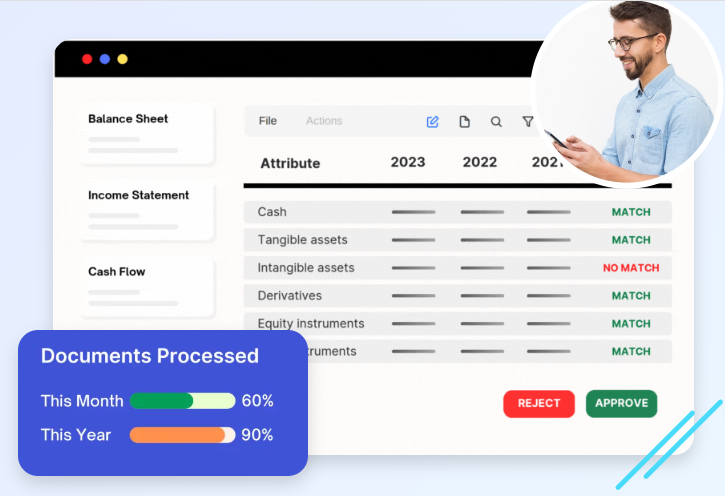
Visuals can support this explanation. A simple workflow diagram, product screenshot, or before-and-after comparison may communicate an idea more clearly than several paragraphs of text.
The level of detail should also match the audience. A technical evaluator may need to understand architecture and integrations, while a senior executive may care more about business impact, implementation risk, and expected returns.
Use Visual Hierarchy to Make the Main Message Clear
When every element on a slide competes for attention, buyers have to work harder to understand the point. Small text, multiple charts, long paragraphs, and inconsistent formatting can make even valuable information difficult to absorb.
Visual hierarchy helps solve this problem by guiding the audience toward the most important information first.
A well-structured slide might use a clear headline to state the takeaway, a visual to explain the concept, and a short supporting note to provide context. Supporting details can sit in the speaker notes or a follow-up document when they are not essential to the live pitch.
For example, a slide about implementation could use a simple three-stage timeline instead of a dense list of activities. Buyers can quickly understand the sequence, identify major milestones, and ask more relevant questions.
Good presentation design does not remove important information. It gives that information a clear order.
Show How the Product Works in a Real Business Scenario
Buyers are more likely to understand a product when they can see how it fits into their work.
A generic feature overview may explain what a platform can do, but a realistic scenario shows when and why those capabilities matter.
Suppose a company is pitching inventory management software to a distributor. Rather than showing every dashboard and setting, the sales team could walk through an example in which stock levels fall below a threshold, the system flags the issue, and the purchasing team receives the information needed to respond.
This approach connects the product to an actual business process. It also gives prospects a way to imagine how the solution might work within their own organization.
Depending on the product, useful visual formats may include:
- Process diagrams to explain how information or tasks move through a system.
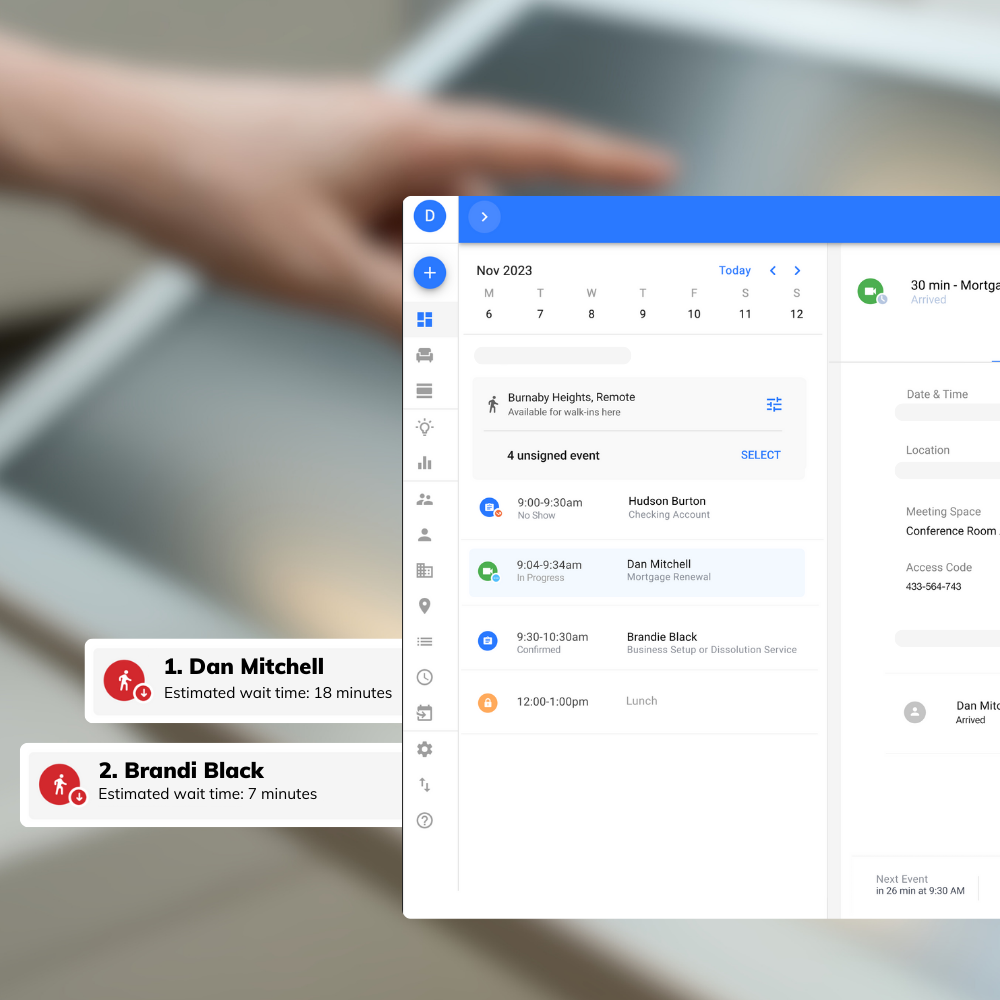
- Product screenshots to show important features in context.
- Comparison slides to explain meaningful differences between approaches.
- Short animations to demonstrate a workflow that is difficult to explain with static visuals.
- Customer examples to show how a similar organization addressed a relevant challenge.
Each visual should answer a question or clarify an important point. Decorative elements alone will not strengthen the pitch.
Build a Story That Connects the Problem to the Business Outcome
A persuasive B2B presentation needs a logical progression. Buyers should understand why the problem matters, how the solution addresses it, and what evidence supports the recommendation.
One practical structure is to move through five stages:
- The challenge: Explain the business problem and its consequences.
- The current limitation: Show why the existing approach may not be sufficient.
- The solution: Introduce the product and the capabilities that address the problem.
- The evidence: Support the pitch with relevant customer examples, product demonstrations, or verified results.
- The next step: Explain what the buyer can do to evaluate the solution further.
This is a flexible framework rather than a fixed slide template. A short introductory pitch may need only a few slides, while an enterprise sales presentation may require additional sections for implementation, security, pricing, or stakeholder concerns.
The key is to make every section move the conversation forward.
Use Data and Proof Without Overloading the Slides
B2B buyers often need evidence before they will consider a new product seriously. Data can help establish credibility, but only when it is relevant and easy to interpret.
A slide containing several charts, percentages, and footnotes may overwhelm the audience. A focused chart showing one important trend can be more effective.
For example, a company pitching a customer support platform could show a verified reduction in response time from a customer implementation. The slide should identify the metric, provide enough context to interpret it, and avoid suggesting that every customer will achieve the same outcome.
Customer testimonials, case studies, product benchmarks, and implementation examples can also strengthen the pitch. Claims should be accurate, sourced where appropriate, and presented with the limitations buyers need to understand.
A strong presentation makes evidence easier to evaluate instead of asking the audience to take broad claims on trust.
Adapt the Presentation for Different Stakeholders
Enterprise buying decisions rarely involve just one person. A sales presentation may reach a department head, a technical evaluator, a finance leader, and a senior executive, each with different priorities.
Using exactly the same pitch for every stakeholder can leave important questions unanswered.
A finance leader may want to understand the cost of the proposed solution and its potential business value. An IT team may focus on integration, security, and maintenance. A department head may want to know how the product will affect daily operations.
The core message should remain consistent, but supporting slides can change to address these concerns. Sales teams can also prepare optional sections for deeper technical explanations or commercial details, using them when the conversation calls for more information.
This makes the presentation more relevant without requiring the team to create an entirely new deck for every meeting.
Keep the Presentation Useful After the Sales Meeting
A sales presentation often continues to influence the buying process after the meeting ends. Prospects may share it with colleagues who were not present, revisit the proposed solution, or use it during internal discussions.
That makes readability and context especially important.
Slides should communicate their main point without relying entirely on the presenter to explain them. Acronyms should be defined when necessary, charts should have clear labels, and important claims should include enough context to make sense outside the meeting.
It can also help to create a follow-up version that includes relevant product details, answers to common objections, and agreed next steps. This version may differ from the live presentation, which can remain shorter and more conversational.
The aim is to give buyers a useful resource for evaluating the decision, not simply a record of the sales pitch.
How Can Presentation Design Services Improve Sales Communication?
When product information is difficult to explain, the issue may not be the product itself. The presentation may need a clearer narrative, a better visual structure, or a stronger connection between technical capabilities and business value.
Presentation design services can help teams review existing sales decks, organize the message, simplify complex information, and create visuals that support the sales conversation. They can also help maintain consistent branding across presentations used by different sales representatives, teams, or markets.
Before redesigning a deck, it is worth identifying where buyers lose interest, which questions come up repeatedly, and which slides sales representatives tend to skip or explain at length. These observations can reveal whether the main issue is content, structure, visual clarity, or a combination of all three.
After the redesign, teams can collect feedback from sales representatives and prospects, track how often the deck is used, and review whether it helps move conversations toward meaningful next steps. A better-looking presentation is useful, but its real value comes from making the product easier to understand and evaluate.
Make Every Slide Support a Better Sales Conversation
A strong B2B sales pitch does not try to communicate everything about a product at once. It helps buyers understand the problem, see how the solution fits their needs, and evaluate the evidence behind the recommendation.
That requires more than polished graphics. It takes a clear message, thoughtful storytelling, relevant proof, and visuals that make complex ideas easier to follow.
For businesses looking to improve how they present complex products, Tangence can help connect presentation design with the broader sales message. The result should be a deck that gives sales teams a clearer way to explain value and gives buyers the information they need to make an informed decision.