

 English




























































































































































































































































































































































































































































































































































































































































































































































































































































































































































































































































































































































































































































































































































































































































































































































































































Can You Predict Where the Wildebeest Will Be During Your Safari?

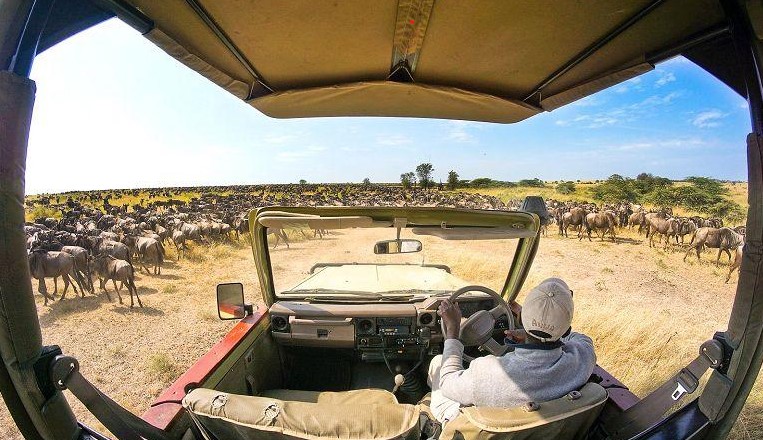
The Great Wildebeest Migration is one of Africa’s most spectacular wildlife events, but it is not something that can be predicted with complete accuracy. Every year, more than a million wildebeest move through the Serengeti and Maasai Mara ecosystem in search of fresh grass and water. Rainfall, food availability, water sources, and natural conditions influence their movements.
This means that knowing the general migration pattern can help you plan your safari, but there is always an element of unpredictability that makes the experience so exciting.
Why Is the Wildebeest Migration Difficult to Predict?
Wildebeest do not follow a fixed timetable. Instead, their movements respond primarily to seasonal rainfall. When rain creates fresh grass, large herds begin moving toward areas where food is more abundant.
The timing and location of rainfall can vary from year to year. A season may arrive earlier, later, or produce different amounts of rainfall across the ecosystem. As a result, the herds may also change their movements.
Even experienced safari guides cannot guarantee the exact location of the wildebeest months in advance. However, they can use their knowledge of seasonal patterns, recent sightings, weather conditions, and local reports to greatly improve your chances of finding the herds.
How a Wildebeest Migration Map Can Help
A wildebeest migration map is a useful planning tool for understanding the general route followed by the herds throughout the year. It typically shows the major areas where wildebeest are expected to gather during different seasons, including the southern Serengeti, western Serengeti, northern Serengeti, and Maasai Mara.
However, it is important to remember that a migration map shows general patterns rather than the precise location of every herd. Weather conditions and grazing availability can cause the animals to move earlier, later, or take slightly different routes.
For this reason, use a migration map as a guide when selecting your safari dates and destination, while relying on current local information for more accurate day-to-day tracking.
Understanding the General Migration Pattern
Although the migration is unpredictable, it follows a broad annual cycle.
January to March: Calving Season
During the early months of the year, large numbers of wildebeest are generally found in the southern Serengeti and surrounding Ndutu area. The availability of nutritious grass makes this region ideal for calving.
This period can provide remarkable wildlife viewing opportunities. Thousands of calves are born, attracting predators such as lions, cheetahs, hyenas, and other carnivores.
April to May: Moving North
As the southern plains become drier and food supplies change, the herds gradually begin moving northward. This part of the migration can be more difficult to predict because rainfall has a major influence on exactly when and where the herds move.
The central and western Serengeti can offer excellent wildlife encounters during this transition.
June to July: Western Serengeti and Grumeti
By early summer, many herds may reach the western Serengeti and move toward the Grumeti region. This is often associated with some of the migration’s dramatic river-crossing events.
However, river crossings are not guaranteed. Wildebeest may gather near a river for hours or even days before crossing, or they may choose a different crossing point entirely.
July to October: Northern Serengeti and Maasai Mara
During the later part of the year, many herds move toward northern Serengeti and eventually into Kenya’s Maasai Mara ecosystem.
This is the period most commonly associated with the famous Mara River crossings. Nevertheless, the exact timing varies, and seeing a river crossing requires patience as well as favorable conditions.
November to December: Returning South
With the arrival of seasonal rains, the herds generally begin moving south again. They gradually return toward the southern Serengeti, completing another stage of their annual cycle.
This movement prepares the herds for the next calving season and begins the cycle again.
What Can Help Predict Their Location?
While no one can guarantee exactly where the wildebeest will be, several factors can help safari planners estimate their likely location.
Rainfall
Rain is one of the most important factors. Fresh rainfall encourages the growth of grass, which attracts the herds. Monitoring recent rainfall can therefore provide useful clues about where wildebeest may be heading.
Recent Sightings
Local safari guides, lodges, camps, and conservation teams often have valuable information about recent herd movements. Reports from the previous few days can be much more useful than relying solely on a migration calendar created months in advance.
Seasonal Patterns
Historical migration patterns provide a helpful starting point. Certain regions tend to receive large concentrations of wildebeest during particular periods of the year, allowing travelers to choose their safari destination and dates more strategically.
Food and Water Availability
Wildebeest constantly respond to the availability of grazing and water. When conditions change, their movements can change too.
Can Your Safari Operator Guarantee a Wildebeest Sighting?
No reputable safari operator should guarantee that you will see wildebeest in a particular location on a specific day.
Wildlife is wild, and the migration is constantly changing. Even if a large herd was photographed in a particular area yesterday, it may have moved several miles by the time you arrive.
What experienced operators can do is improve your odds. Skilled guides understand animal behavior, monitor local conditions, communicate with other guides, and know where wildlife is likely to concentrate.
This local knowledge can make a significant difference to your safari experience.
How Can You Increase Your Chances of Seeing the Migration?
Choosing the right destination and timing is one of the most important decisions.
Instead of planning your trip around a single predicted event, consider traveling during a broader period when wildebeest are historically likely to be in the region you want to visit.
It can also help to spend several days on safari rather than trying to see the migration in one day. More time in the ecosystem gives your guides greater opportunities to follow fresh sightings and adapt the itinerary according to changing conditions.
Choosing accommodation strategically can also help. Camps and lodges located close to likely migration routes may reduce travel time and give you more opportunities for wildlife viewing.
Why Uncertainty Makes the Migration Special
The unpredictability of the Great Migration is part of what makes it so fascinating.
You may spend hours watching a herd gather near a river without knowing whether it will cross. You may follow tracks across the plains and suddenly discover thousands of wildebeest stretching toward the horizon. Or you might encounter a smaller group in an unexpected location and experience a quiet but equally memorable wildlife moment.
A safari is not about controlling nature. It is about being present when something extraordinary happens.
Final Thoughts
You can predict the general direction and seasonal location of the wildebeest migration, but you cannot know exactly where the herds will be on a particular day. Rainfall, grazing conditions, water availability, and animal behavior can all change their movements.
A wildebeest migration map can help you understand the broader annual route and choose a suitable safari period, but current sightings and guidance from experienced local guides are essential for tracking the herds in real time.
The best approach is to combine seasonal knowledge with current local information and an experienced safari guide. Rather than expecting a guaranteed sighting, allow some flexibility in your itinerary and give yourself enough time to explore.
That combination of preparation and unpredictability is what makes following the Great Wildebeest Migration such a remarkable African safari experience.