
 English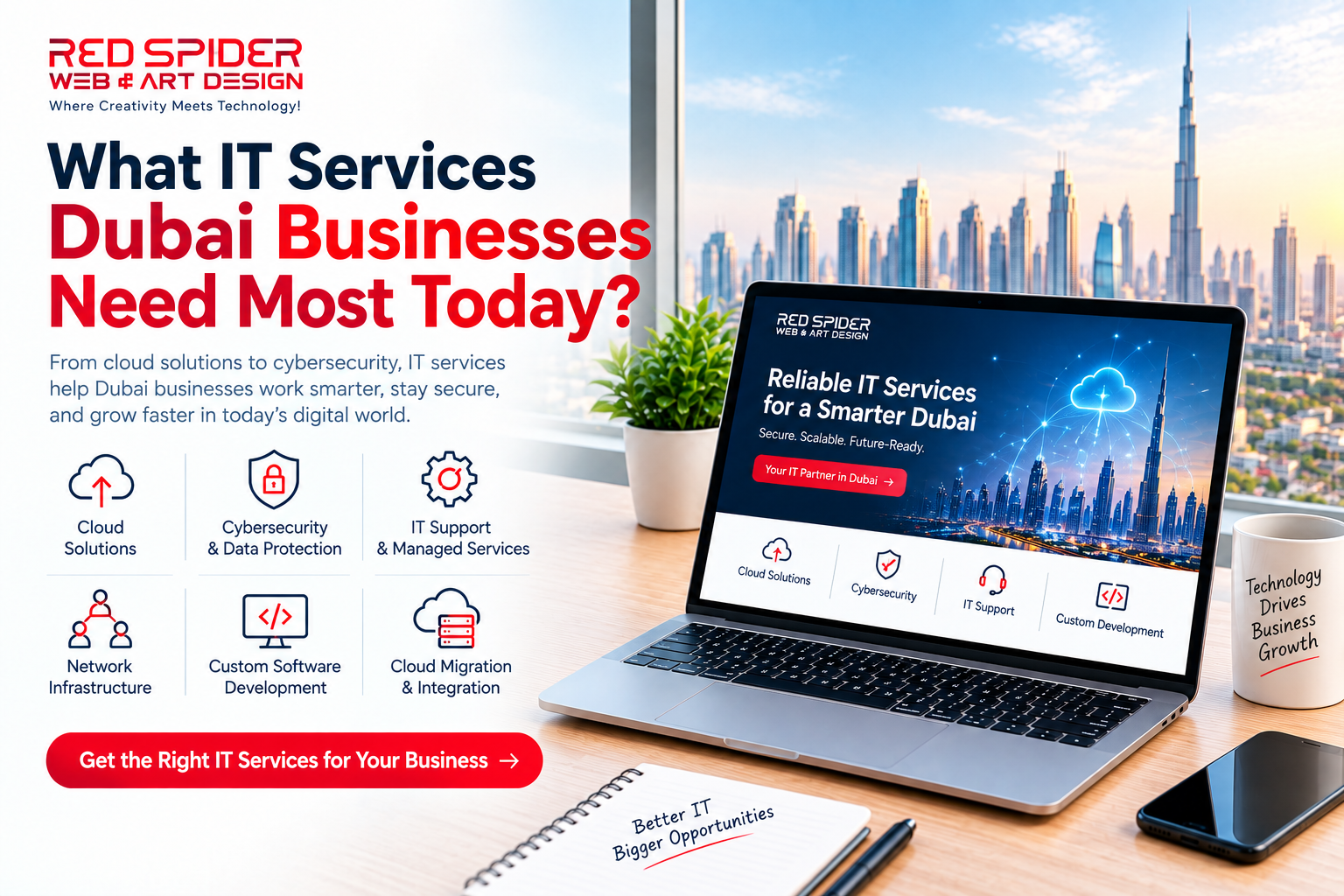

























































































































































































































































































































































































































































































































































































































































































































































































































































































































































































































































































































































































































































































































































































































































































































































































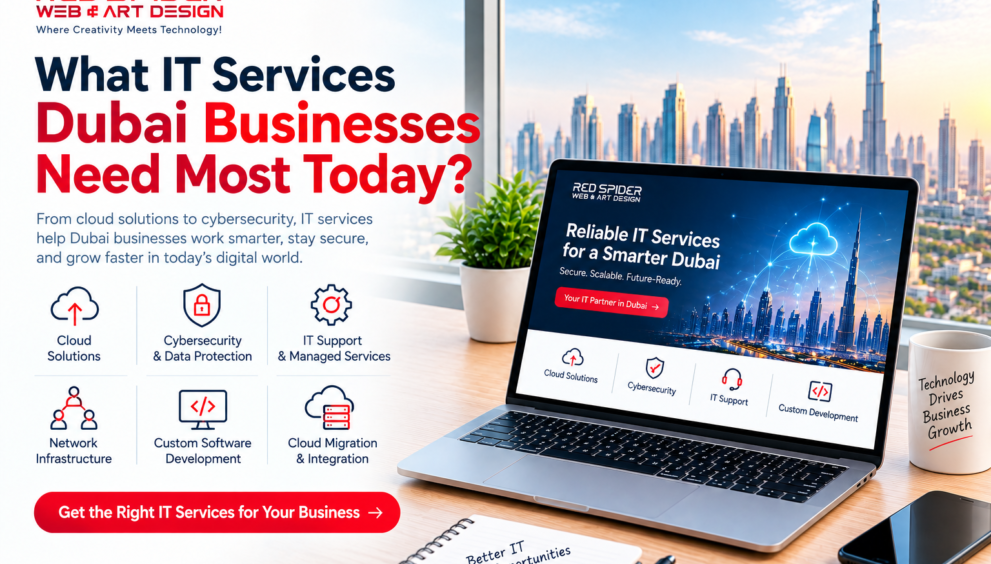
What IT Services Dubai Businesses Need Most Today?

Dubai has become a highly connected business market where companies depend on technology for communication, sales, customer service, data management, and daily operations. From small businesses and startups to established companies, reliable IT infrastructure is now an important part of running a business smoothly. At the same time, businesses face growing concerns around cybersecurity, cloud systems, data protection, remote working, and system downtime.
The UAE government continues to support digital transformation while placing strong attention on cybersecurity and secure digital infrastructure. Dubai’s updated Cyber Security Strategy focuses on creating a secure cyberspace, strengthening digital infrastructure, supporting innovation, and improving cyber resilience. This makes professional IT support more relevant for businesses that want to keep their systems reliable and secure.
1. Managed IT Support
One of the most useful services for Dubai businesses is managed IT support. Instead of waiting until computers, networks, servers, or applications stop working, businesses can have their systems monitored and maintained regularly.
Managed IT services can include technical support, system monitoring, software updates, network management, device maintenance, and troubleshooting. This approach helps businesses deal with technical problems before they become major interruptions.
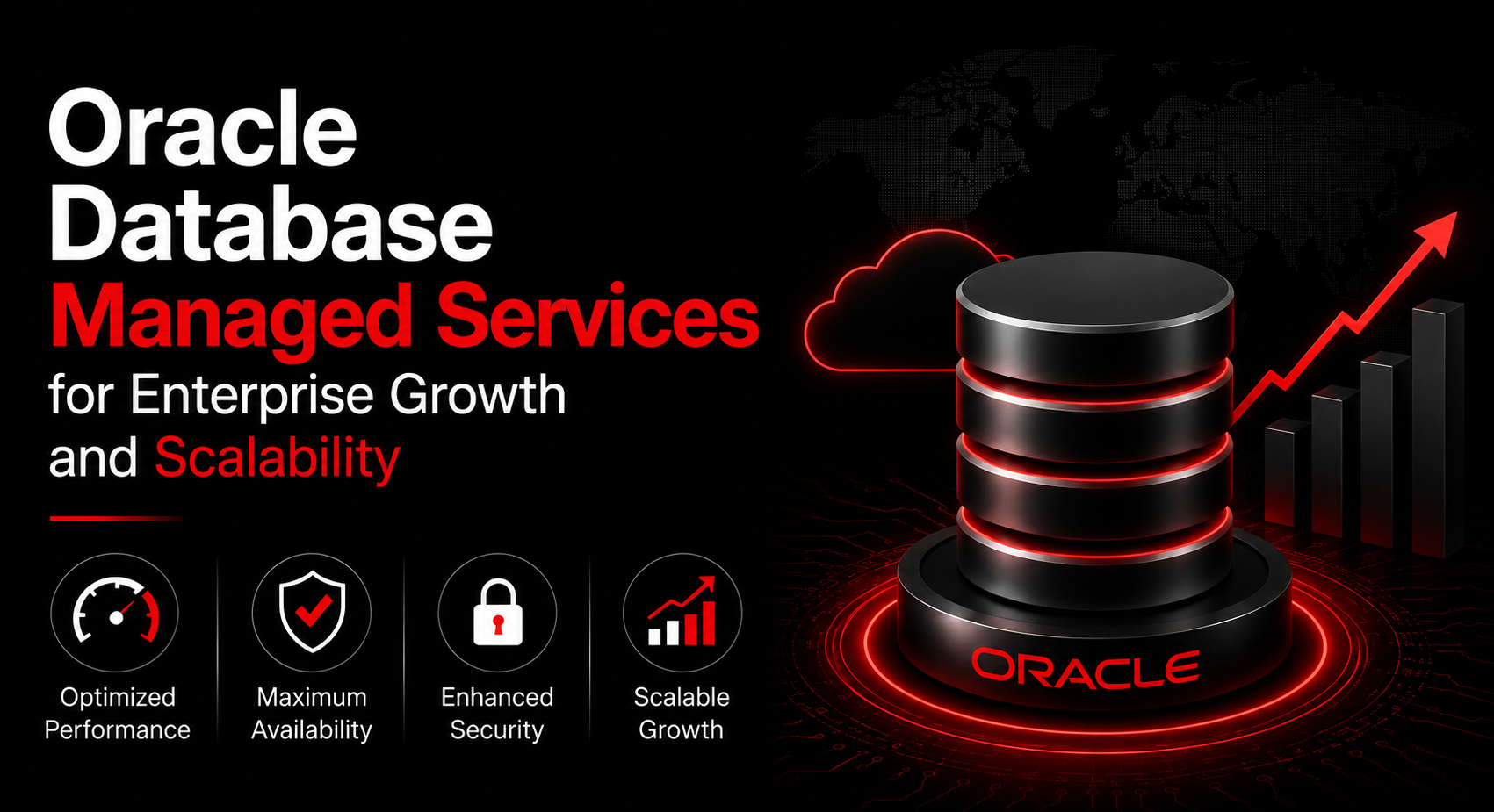
For small and medium-sized businesses, outsourcing IT support can also provide access to technical expertise without maintaining a large internal IT department. Current IT services Dubai providers commonly offer managed infrastructure, security monitoring, cloud administration, backup, and user support as part of managed service packages.
2. Cybersecurity Services
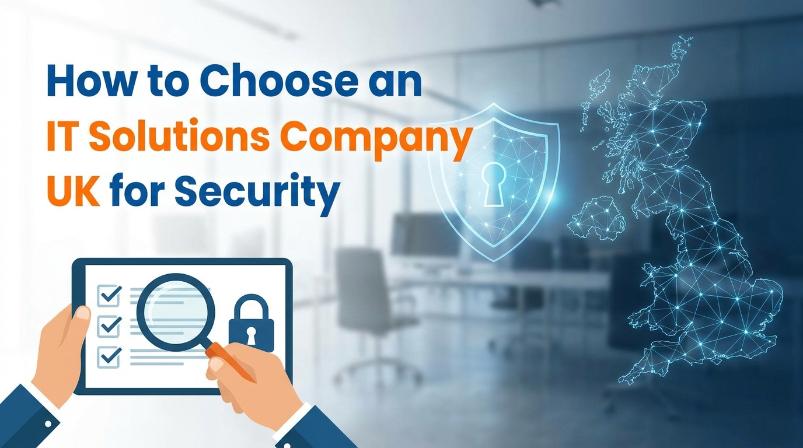
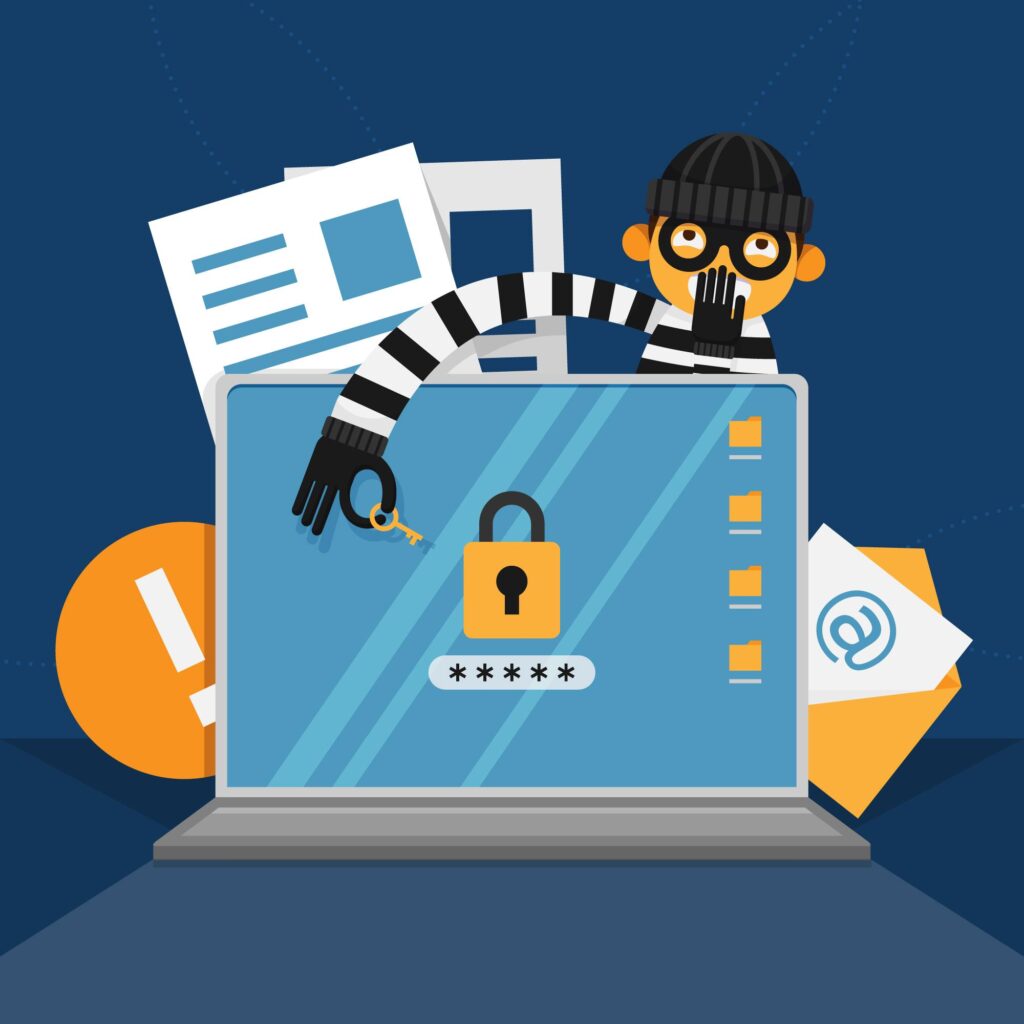
Cybersecurity is another major requirement for businesses operating in Dubai. Companies handle customer information, financial records, employee details, passwords, business documents, and other valuable data through digital systems.
A basic cybersecurity setup may include firewalls, antivirus protection, endpoint security, access controls, security monitoring, vulnerability assessments, and employee awareness training. Businesses handling sensitive information may also need stronger security policies and incident response procedures.
Dubai’s Cyber Security Strategy specifically focuses on cyber resilience, secure adoption of emerging technologies, cybersecurity governance, and effective incident response.
For this reason, cybersecurity should not be treated as something a business only considers after an attack. Regular monitoring, security updates, controlled access, and employee awareness can form a much stronger everyday security process.
3. Cloud Computing and Cloud Management
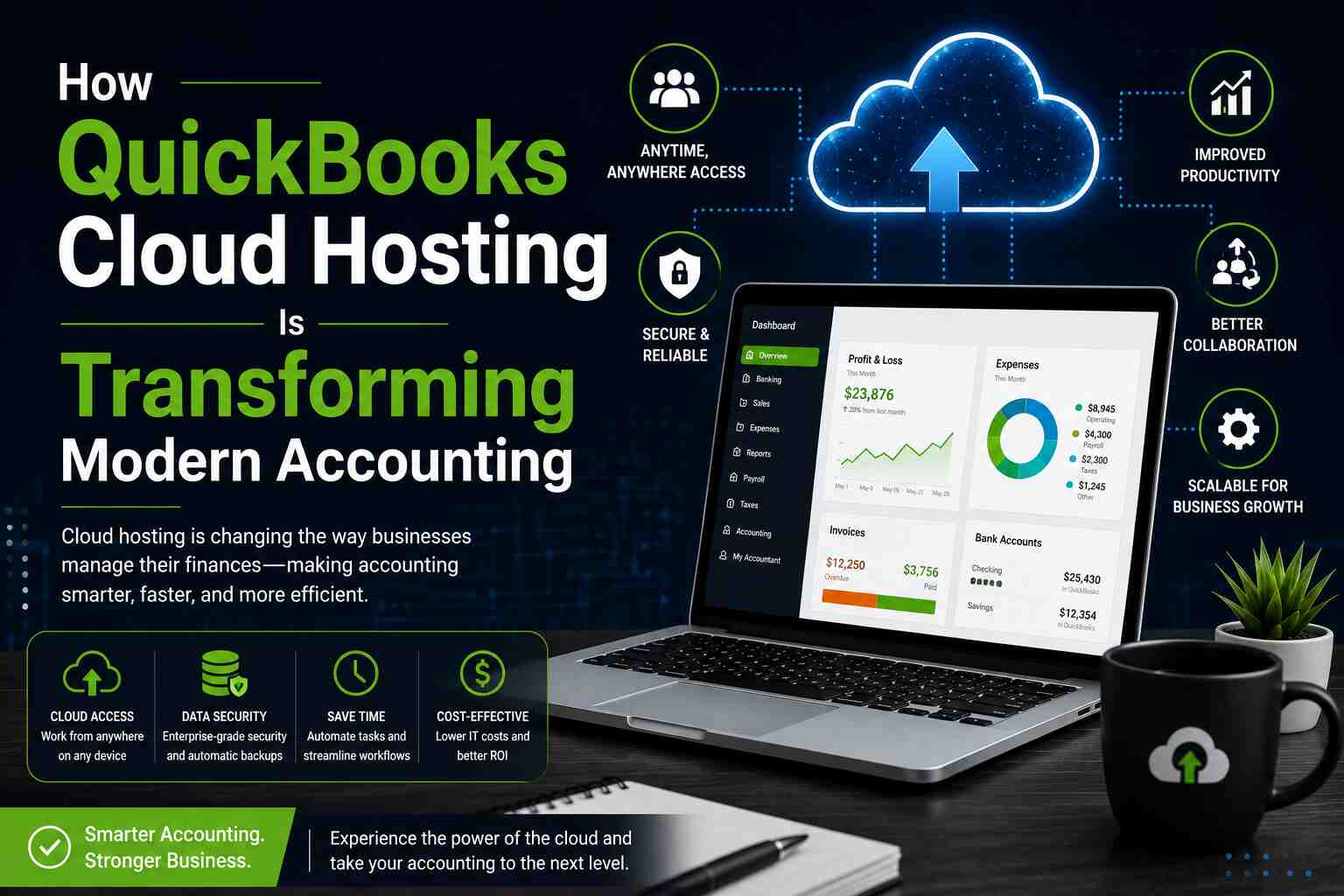
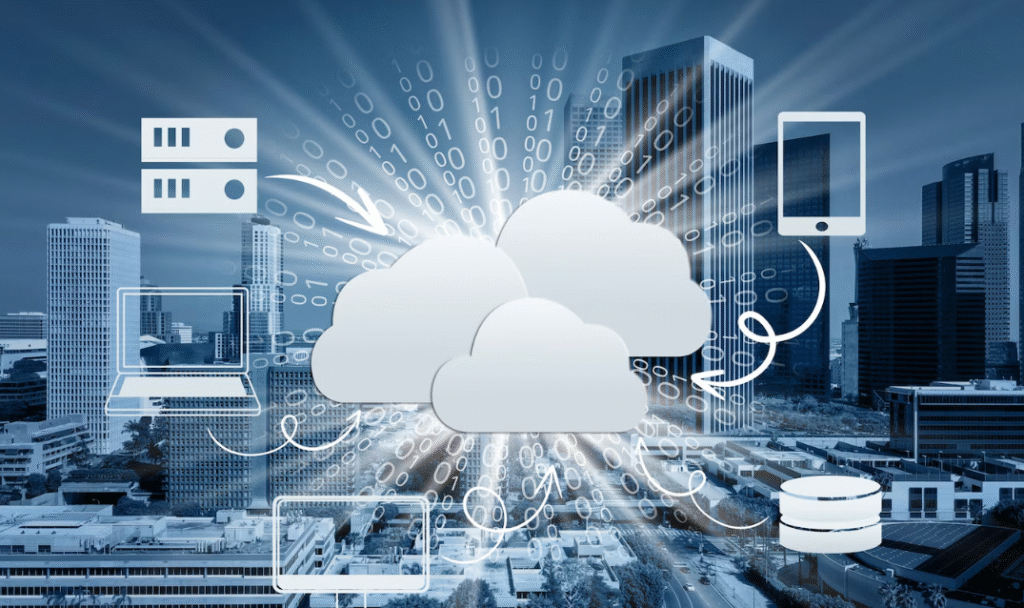
Cloud technology has changed the way many businesses store data and operate applications. Instead of depending entirely on physical servers in an office, companies can use cloud platforms for storage, applications, backups, collaboration, and business systems.
Cloud services can make it easier for businesses to scale their technology as they grow. Employees can also access approved systems and files from different locations, which is useful for companies with remote or hybrid teams.
However, moving to the cloud requires proper planning. The UAE’s National Cloud Security Policy highlights areas such as cloud governance, data security, data location, identity and access management, cloud architecture, incident management, and resilience.
A professional IT company can therefore help businesses select suitable cloud services, migrate existing systems, manage user access, monitor performance, and maintain security.
4. Data Backup and Disaster Recovery
Business data can be lost because of hardware failure, accidental deletion, cyberattacks, software problems, or other unexpected events. A reliable backup strategy gives businesses a way to recover important information when something goes wrong.
IT providers can set up automated backups for files, databases, servers, applications, and other critical systems. They can also create disaster recovery plans that explain how systems should be restored after a serious disruption.
A good backup plan should not simply mean keeping another copy of files. Businesses need to consider how frequently backups are created, where they are stored, who can access them, and how quickly information can be restored.
5. Network Setup and Management
A stable network is essential for almost every modern office. Employees need reliable internet access to communicate with customers, use cloud applications, share files, access business systems, and attend online meetings.
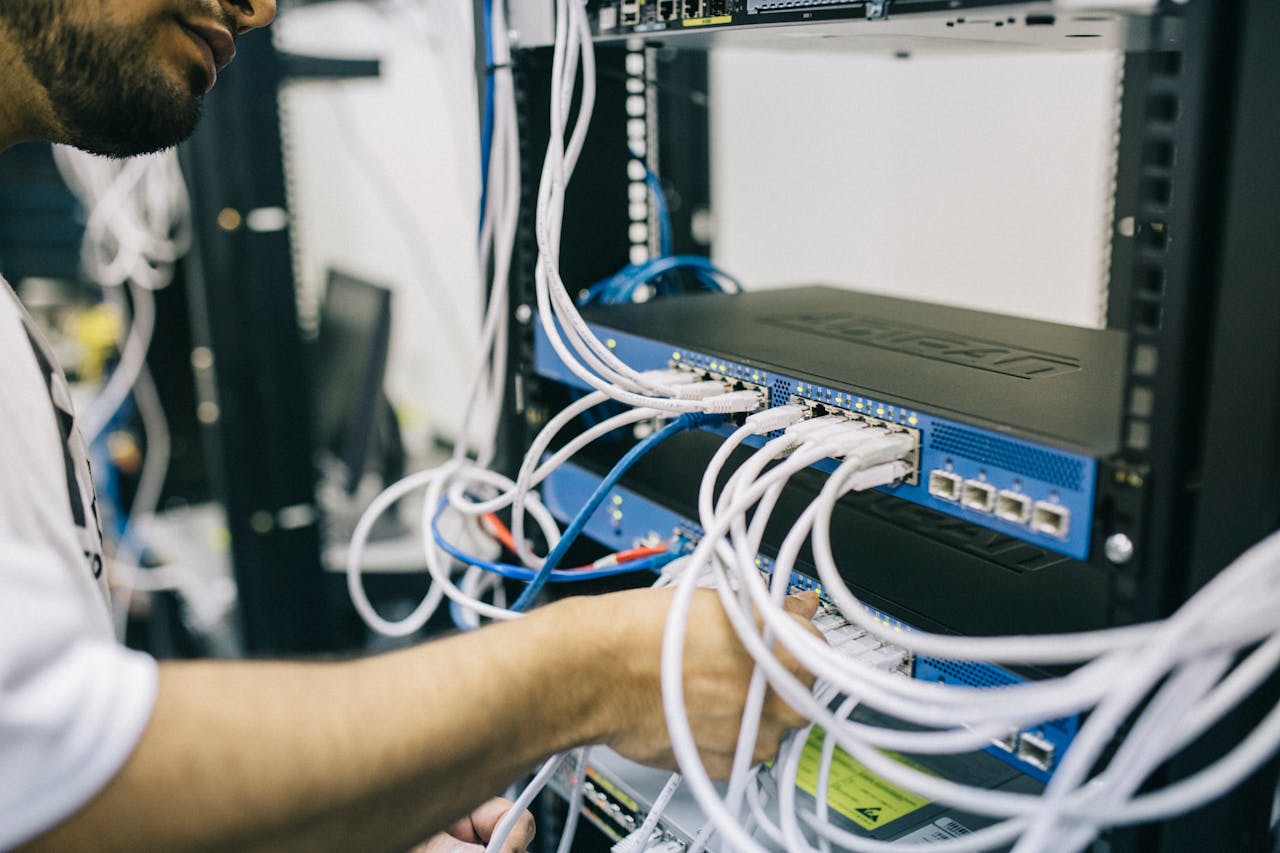
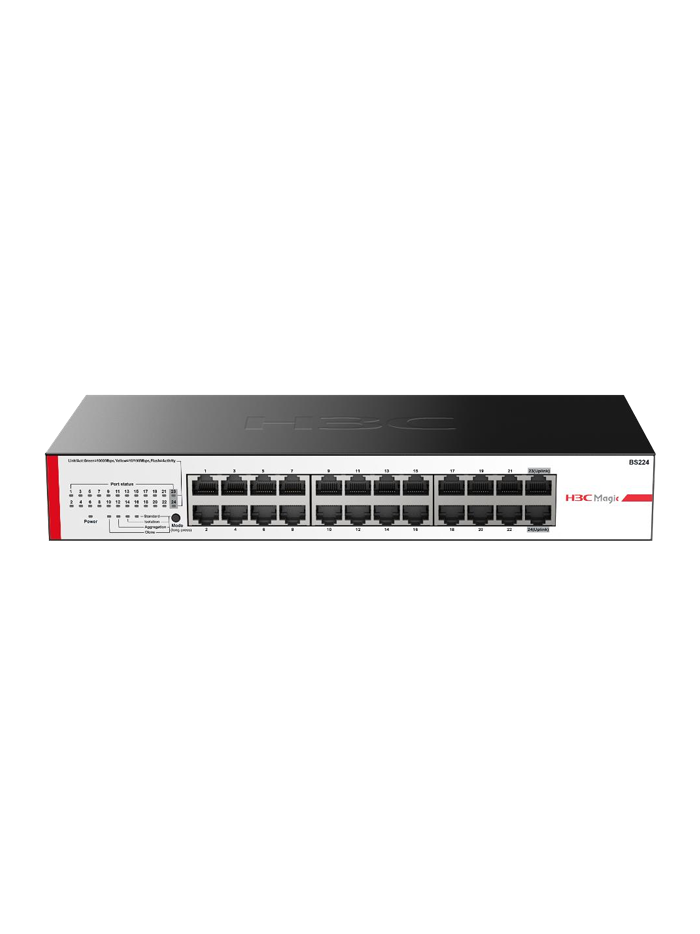
Network services can include Wi-Fi installation, routers, switches, firewalls, structured cabling, VPNs, network monitoring, and performance management.
As businesses grow, network requirements often become more complicated. Additional employees, offices, devices, cloud applications, and security requirements can place greater demands on the existing infrastructure.
A professional IT team can review the current network and identify areas that need better speed, coverage, reliability, or security.
6. Business Software and IT Integration
Businesses often use several software systems at the same time. For example, a company may use accounting software, CRM tools, HR systems, inventory management platforms, communication applications, and ecommerce software.
The problem starts when these systems do not work well together. Employees may need to enter the same information repeatedly, move files manually, or switch between multiple platforms to complete simple tasks.
IT consultants can help businesses select suitable software and connect different systems where possible. Proper integration can reduce repetitive work and make business information easier to manage.
For growing companies, this can also make it easier to build a technology setup that can support additional employees and business operations in the future.
7. IT Consulting and Digital Transformation
Not every business knows exactly which technology it needs. Buying new software or hardware without a clear plan can create unnecessary expenses and complicated systems.
IT consulting helps businesses understand their current technology, identify problems, and plan future improvements. An IT consultant may review infrastructure, cybersecurity, cloud usage, software, employee requirements, and business goals before suggesting changes.
Dubai’s wider digital environment continues to encourage digital services and technology adoption. The official UAE government platform notes that Dubai’s digital-services regulations are intended to accelerate digital transformation and improve digital service delivery.
A practical IT strategy should therefore focus on solving real business problems rather than simply adopting technology because it is new.
8. Remote Work and Collaboration Solutions
Many businesses now have employees working from different offices, locations, or home environments. This creates a need for secure communication and collaboration tools.
IT providers can help businesses configure email platforms, video conferencing, cloud collaboration tools, secure remote access, shared storage, and employee devices.
Security is particularly important when employees access company systems outside the office. User authentication, access permissions, device security, and secure connections should be considered as part of the setup.
The goal is to allow employees to work efficiently without creating unnecessary security risks for the business.
9. IT Infrastructure and Server Management
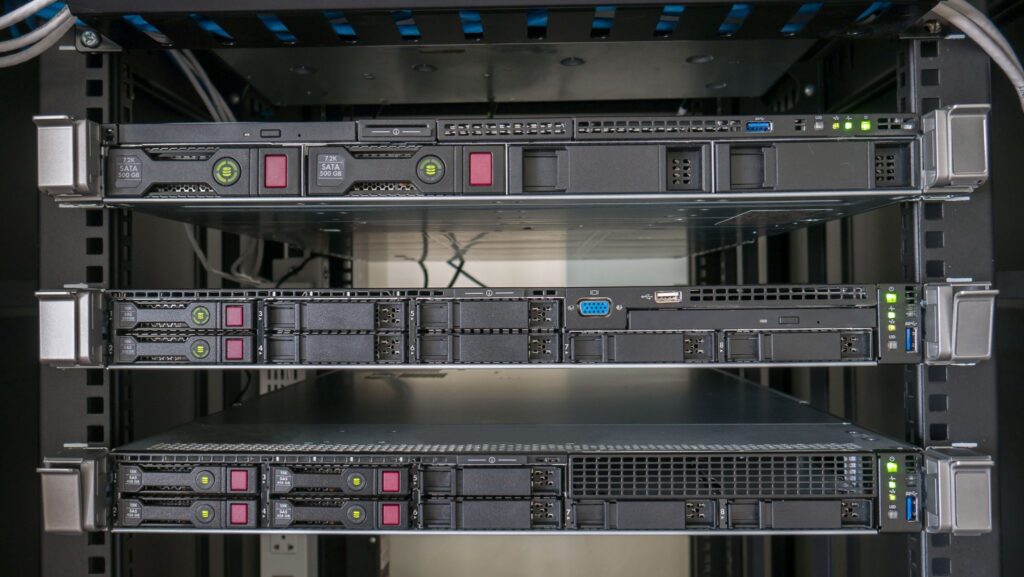
Some businesses still require physical servers and dedicated infrastructure for their operations. This can be particularly relevant for companies running specific applications, databases, internal systems, or industry-specific platforms.
Server management services may include installation, configuration, updates, monitoring, security, storage management, and troubleshooting.
Businesses with a combination of physical infrastructure and cloud services can also benefit from hybrid IT management. An IT provider can help maintain both environments and ensure that business systems continue working together.
10. AI and Emerging Technology Services
Artificial intelligence, automation, analytics, and other emerging technologies are increasingly becoming part of business discussions. However, businesses need to identify practical applications rather than adopting technology without a clear purpose.
AI may help with areas such as customer support, document processing, data analysis, marketing workflows, internal knowledge management, and repetitive administrative tasks.
At the same time, businesses need to consider data security, access controls, privacy, integration, and employee usage when introducing AI tools. The UAE government maintains dedicated cybersecurity policies covering emerging technologies, including AI and IoT.
An experienced IT consultant can help businesses assess where automation or AI could actually save time or improve operations.
How Should Dubai Businesses Choose IT Services?
The right IT services depend on the size and type of business. A small company may primarily need managed IT support, cybersecurity, cloud services, backups, and reliable networking. A larger organization may require enterprise infrastructure, advanced security monitoring, software integration, data management, and dedicated technical support.
Before hiring an IT company, businesses should look at the provider’s experience, response times, security practices, service scope, support availability, and pricing structure. It is also useful to understand exactly what is included in the service agreement.
Rather than selecting services simply because they are popular, businesses should first identify their current technology problems and future requirements.
Final Thoughts
IT services have become an important part of everyday business operations in Dubai. Managed IT support, cybersecurity, cloud computing, backups, network management, software integration, IT consulting, remote-work solutions, infrastructure management, and emerging technologies can all play different roles depending on a company’s needs.
The most practical approach is to build an IT setup around business requirements, security, reliability, and future growth. With the right technology strategy and professional support, businesses can spend less time dealing with technical problems and more time focusing on their customers and operations.