

 English




































































































































































































































































































































































































































































































































































































































































































































































































































































































































































































































































































































































































































































































































































































































































































































Why More Buyers Choose a USA Inflatable Games Manufacturer

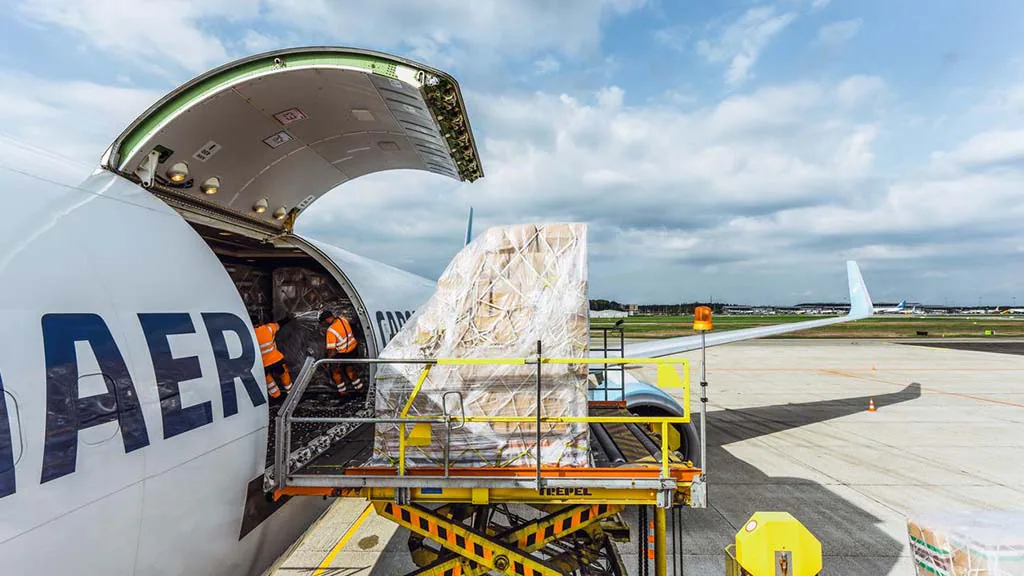
Sourcing inflatable games from overseas used to be the default for many rental businesses chasing the lowest unit price. That calculus has shifted for a growing number of buyers. Shipping delays, unpredictable tariffs, and inconsistent compliance documentation have pushed rental operators back toward a USA inflatable games manufacturer, even when the sticker price runs higher. The math increasingly favors domestic production once total cost and reliability enter the picture, not just the invoice total sitting at the bottom of a purchase order.
What Is Actually Driving the Shift
Several forces are converging at once. Import lead times on custom inflatable orders have stretched unpredictably in recent years, sometimes pushing delivery past the start of peak season entirely. Tariff changes add cost uncertainty that is difficult to plan around a full season in advance. Meanwhile, the domestic rental and inflatable industry keeps expanding. The U.S. bounce house rental industry grew at an average annual rate of 5.2% from 2016 to 2021, according to IBISWorld. That growth has supported more USA-based manufacturing capacity than existed a decade ago, giving buyers a real domestic alternative instead of a compromise on turnaround time.
Who Feels This Shift Most
Rental businesses running tight seasonal calendars feel this the most. A custom unit stuck in transit for an extra six weeks can mean missing the first several weekends of peak season entirely, a costly gap in a market where furniture and tent rentals alone account for roughly 55% of party rental orders, according to Grand View Research. Smaller rental operations without deep inventory reserves are especially exposed, since one delayed order can strain an entire summer schedule. Larger operators with bigger fleets have more cushion, but even they are increasingly building domestic sourcing into their planning rather than treating it as a backup option reserved for emergencies.
What to Prioritize, and What to Avoid
The smarter move is asking about production location directly, not assuming it based on a company’s marketing language or a domestic-sounding name. What to avoid: placing a large custom order without confirming where manufacturing actually happens and what the realistic lead time looks like under current conditions. What to prioritize: manufacturers who can document their production timeline and compliance testing without vague or evasive answers. A domestic manufacturer is not automatically better on every count, but the predictability it offers around lead time and direct communication is difficult to replicate with an overseas supplier several time zones and a customs process away from the buyer.
Communication and Custom Order Flexibility
Time zone overlap sounds like a minor detail until a custom order needs a mid-production change. A rental business working with a domestic manufacturer can usually get a same-day answer about a color swap, a logo placement adjustment, or a sizing question. That same request routed through an overseas supplier often means a 24 to 48 hour delay just waiting for the next business day to begin on the other side of the world. For a rental company trying to finalize inventory before a booked event, that lag can be the difference between a confirmed order and a missed deadline. Domestic manufacturers also tend to offer more flexibility on smaller order quantities, since minimum order thresholds for overseas production runs are often set high enough to exclude smaller rental operations entirely.
Steps for Adapting a Sourcing Strategy
- Ask directly where units are manufactured, not just where the company is headquartered
- Request a realistic lead time estimate for the current season, not a generic figure
- Compare total landed cost, including shipping and potential tariffs, not just unit price
- Build in a buffer before peak season for any order placed with extended lead times
None of these steps require abandoning overseas options entirely. Some buyers still find value in blending sources depending on the product category and order size. The point is treating sourcing location as a deliberate decision with real tradeoffs, rather than defaulting to whichever quote arrives with the lowest number attached.
What the Next Year Likely Looks Like
Expect the shift toward domestic sourcing to continue rather than reverse. Rental businesses that were burned by supply delays in past seasons are unlikely to fully return to the lowest-price overseas option once a reliable domestic alternative exists. USA-based manufacturers who can demonstrate consistent lead times and clear compliance documentation stand to gain the most from this shift, particularly as more rental operators factor reliability into their purchasing decisions alongside price. For buyers, the practical takeaway is treating manufacturing location as a real sourcing criterion going forward, not an afterthought weighed only after something goes wrong with an existing order. Buyers who make that shift now are less likely to find themselves scrambling for inventory when the next round of shipping disruptions hits the industry.