

 English


























































































































































































































































































































































































































































































































































































































































































































































































































































































































































































































































































































































































































































































































































































































































































































































































































































How to Balance Convenience and Sustainability in Event Planning


Planning an event today comes with a unique challenge: creating a seamless experience while minimizing environmental impact. Whether it’s a wedding, corporate function, or casual gathering, hosts are increasingly aware of the need to make eco-conscious choices.
However, convenience often takes priority especially when time, budget, and effort are limited. The good news is that you don’t have to sacrifice one for the other. With the right strategies, it’s entirely possible to strike a balance between efficiency and sustainability.
In this guide, we’ll explore practical ways to plan events that are both easy to manage and environmentally responsible.
Why Sustainability Matters in Events
Events can generate a surprising amount of waste, from food leftovers to packaging and serving materials. Traditional practices often rely heavily on single-use items like disposable plastic serving trays, which contribute significantly to environmental pollution.
As awareness grows, guests and clients are beginning to expect greener choices. Sustainable event planning not only reduces environmental harm but also enhances your reputation and can even lower costs in the long run. Choosing eco-friendly options is no longer just a trend it’s becoming a standard.
Common Convenience-Based Practices That Harm the Environment
Many event planning habits prioritize ease but come at an environmental cost.
For example, single-use decorations and serving ware are often chosen for quick setup and cleanup. While convenient, they create unnecessary waste. Similarly, over-ordering food leads to large amounts of leftovers that often go uneaten.
Another common issue is excessive packaging, especially for catered events. Combined with energy-intensive venues and lighting, these practices can significantly increase an event’s carbon footprint. Recognizing these habits is the first step toward making better choices.
Smart Strategies to Balance Convenience and Sustainability
A. Choose Better Serving Solutions
One of the easiest ways to make your event more sustainable is by upgrading your serving options. Instead of relying solely on disposable plastic serving trays, consider alternatives like compostable, biodegradable, or reusable materials.
If you’re hosting a large event, renting tableware can be both practical and environmentally friendly. For smaller gatherings, investing in durable serving pieces that can be reused over time is a smart choice.
You can also combine convenience with sustainability by selecting high-quality disposable plastic serving trays made from recyclable materials, ensuring easier cleanup without excessive environmental harm.
B. Plan Efficiently to Reduce Waste
Good planning goes a long way in minimizing waste while keeping things simple. Start with an accurate guest list to avoid over-preparation.
Switching to digital invitations not only saves paper but also makes communication easier. When it comes to décor, a minimalist approach reduces clutter and waste while often looking more elegant.
Efficiency doesn’t just save time it also supports sustainability.
C. Sustainable Food and Catering Choices
Food is often the centerpiece of any event, and it’s also a major source of waste. Choosing local and seasonal ingredients reduces transportation impact and supports local businesses.
Work with caterers who prioritize sustainability, such as those who use eco-friendly packaging or donate leftovers. Planning portion sizes carefully can also prevent excess food waste.
These small adjustments can make a big difference without complicating your event.
D. Eco-Friendly Venue Selection
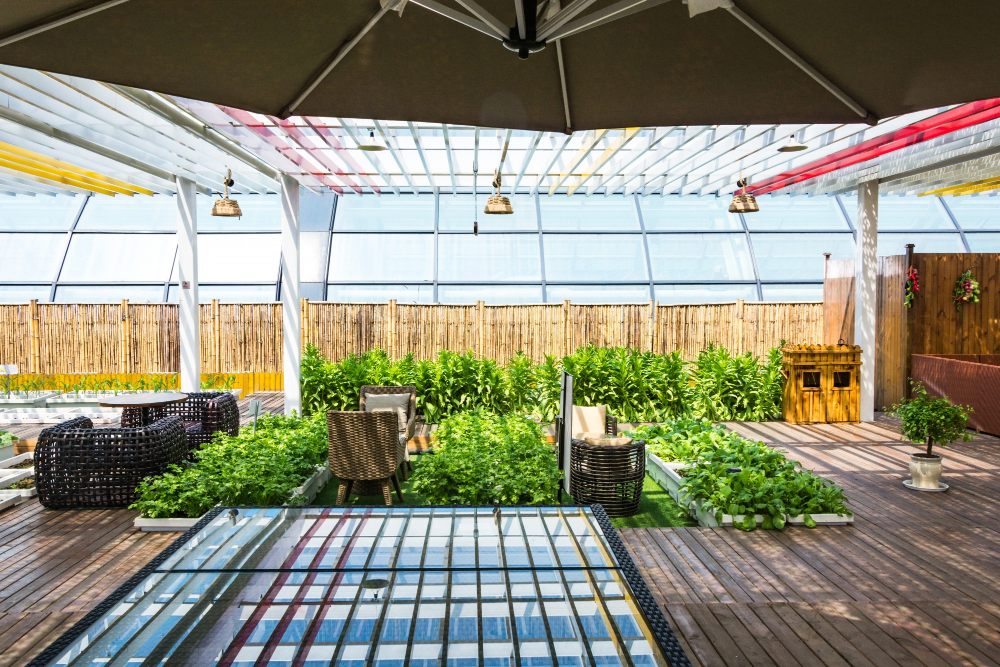
Your choice of venue plays a crucial role in balancing convenience and sustainability. Outdoor venues or spaces with natural lighting can reduce energy consumption.
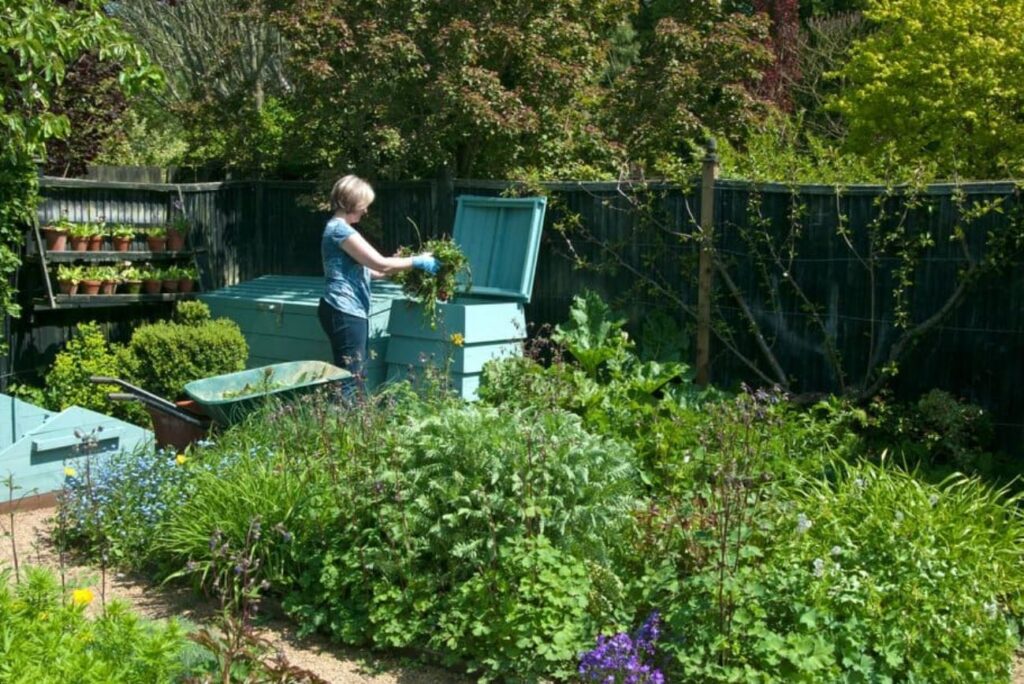
Look for venues that offer recycling and composting facilities, as well as those committed to green practices. A well-equipped venue can simplify logistics while helping you meet your sustainability goals.
E. Simplify Cleanup Without Compromise
Cleanup is often where convenience takes over, but it doesn’t have to come at the environment’s expense. Setting up clearly labeled waste stations encourages guests to sort their trash properly.
Hiring cleanup services that focus on recycling can further streamline the process. Choosing materials that are easy to dispose of responsibly ensures that convenience and sustainability go hand in hand.
Budget Considerations
One common misconception is that sustainable event planning is expensive. In reality, it can often save money.
Reusable items may have a higher upfront cost but are more economical over time. Reducing waste also means spending less on excess food and materials.
By making thoughtful choices, you can create an event that is both cost-effective and environmentally friendly.
Tips for Different Types of Events
Different events require different approaches to achieve the right balance.
- Weddings: Focus on reusable décor and digital planning tools
- Corporate Events: Partner with eco-conscious vendors and venues
- Birthday Parties: Keep things simple with minimal waste solutions
- Outdoor Events: Use natural settings to reduce energy needs
Tailoring your strategy to the type of event ensures better results with less effort.
Common Mistakes to Avoid
While trying to go green, it’s easy to fall into certain traps.
Avoid products that claim to be eco-friendly without proper certification. Don’t overcomplicate your efforts—simple changes are often the most effective.
Most importantly, don’t ignore guest comfort. Sustainability should enhance the experience, not make it inconvenient.
The Future of Sustainable Event Planning
Sustainable event planning is rapidly evolving. From innovative materials to smarter waste management systems, new solutions are making it easier than ever to host eco-friendly events.
As demand continues to grow, sustainability will become a core part of event planning rather than an optional add-on. Even small steps today can contribute to a more sustainable future.
Conclusion
Balancing convenience and sustainability in event planning is not only possible—it’s practical. By making thoughtful choices about materials, food, venues, and waste management, you can create an event that is both efficient and environmentally responsible.
Start with small changes, and over time, they will add up to a significant impact. The key is to find solutions that work for you while keeping sustainability in mind.