

 English

























































































































































































































































































































































































































































































































































































































































































































































































































































































































































































































































































































































































































































































































































































































































































































































































































































How to Build Stronger Legs With an Effective Lower-Body Routine


Strong legs are the foundation of better athletic performance, balanced physique development, and everyday movement. Whether your goal is to build muscle, increase strength, improve stability, or simply become more powerful in the gym, an intelligently designed leg day routine can make a major difference.
The key isn’t simply doing more leg exercises. Effective training requires the right combination of compound movements, targeted exercises, progressive overload, adequate recovery, and proper nutrition. A well-planned lower body workout should train the major muscles of the legs while allowing you to gradually increase your performance.
Here’s how to build a practical lower-body routine that supports strength, muscle growth, and long-term progress.
1. Understand the Muscles Your Lower-Body Routine Should Train
Before choosing exercises, it helps to understand what you’re actually training. Your lower body includes several major muscle groups that work together during movement.
The quadriceps are located at the front of the thighs and play a major role in knee extension. The hamstrings run along the back of the thighs and contribute to hip extension and knee flexion. Your glutes are powerful muscles involved in hip extension, jumping, sprinting, and many compound lifts.
You also have the calves, which help with ankle movement and stability, along with smaller muscles around the hips and legs that contribute to balance and control.
A balanced leg strength training program should therefore include exercises that involve both knee-dominant and hip-dominant movements. This helps prevent your routine from becoming overly focused on one muscle group.
2. Start Your Leg Day With Compound Exercises
Compound exercises should generally form the foundation of an effective leg day routine because they train multiple muscle groups at once and allow you to work with challenging loads.
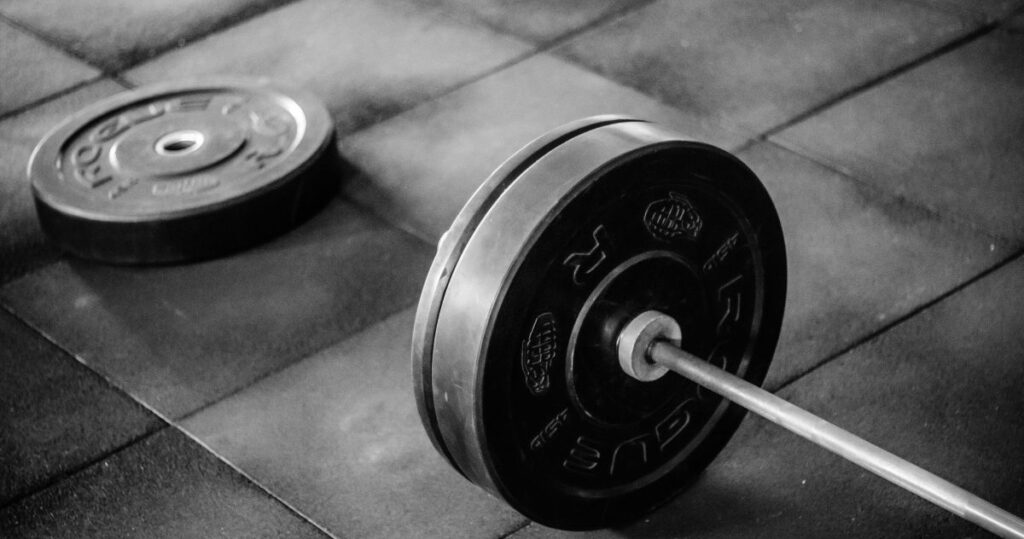
The squat is one of the most recognizable lower-body exercises. Depending on your technique and variation, it can place substantial demands on your quadriceps, glutes, hamstrings, and core.
Other useful compound movements include Romanian deadlifts, Bulgarian split squats, leg presses, and step-ups.
A basic session might begin with a primary movement such as:
- Back squat: 3–4 sets of 5–8 reps
- Romanian deadlift: 3 sets of 6–10 reps
- Bulgarian split squat: 3 sets of 8–12 reps per leg
You don’t need to perform every possible compound exercise in one workout. Choose movements that complement each other and allow you to maintain good technique.
Most importantly, don’t treat heavy weight as the only measure of a successful workout. Controlled repetitions and consistent form are essential for productive training.
3. Add Targeted Exercises for Complete Leg Development
After your main compound lifts, isolation and accessory movements can help address specific muscles and add training volume without requiring extremely heavy loads.
For example, leg extensions can provide focused quadriceps work, while leg curls target the hamstrings. Standing or seated calf raises can be used to give the lower legs more direct attention.
Single-leg exercises are particularly useful because they can challenge balance and help you identify strength differences between sides.
A well-rounded lower body workout could include:
- Leg extensions: 2–3 sets of 10–15 reps
- Leg curls: 2–3 sets of 10–15 reps
- Walking lunges: 2–3 sets of 10–12 reps per leg
- Calf raises: 3–4 sets of 10–15 reps
Think of these exercises as supporting your major lifts rather than replacing them. The combination of compound and accessory movements can provide a more complete training stimulus.
4. Use Progressive Overload to Build Leg Strength
One of the biggest differences between random workouts and effective leg strength training is progression.
Your body adapts to repeated training stress. To continue improving, you need to gradually increase the challenge. This doesn’t always mean adding weight every session.
You can progress by increasing the number of repetitions, adding a small amount of resistance, improving technique, increasing your range of motion, or performing the same workload with better control.
For example, suppose you perform squats for three sets of eight repetitions with a particular weight. Once those sets become consistently manageable with solid technique, you may be able to increase the resistance slightly.
Keep a simple training log and record your exercises, sets, repetitions, and weights. This makes it easier to identify genuine progress rather than relying on memory.
Avoid rushing progression. Adding weight faster than your technique can handle may increase unnecessary fatigue and reduce the quality of your training.
5. Don’t Ignore Warm-Up, Recovery, and Training Frequency
A strong leg day routine isn’t only about what happens during your hardest sets. Preparation and recovery matter too.
Before training, spend several minutes gradually raising your body temperature and preparing the joints and muscles for the movements ahead. You can use light cardio, dynamic movements, and progressively heavier warm-up sets.
Your training frequency also matters. Many people make the mistake of believing that more leg workouts automatically produce better results. In reality, muscles need time to recover and adapt.
For many lifters, training the lower body one to two times per week can work well, depending on training experience, total weekly volume, goals, and recovery capacity.
Sleep, hydration, and nutrition are also important parts of the process. Your workouts provide the stimulus, but recovery gives your body the opportunity to adapt.
If you’re consistently exhausted, your performance is falling, or soreness is interfering with your next sessions, consider adjusting your training volume or recovery strategy.
6. Support Your Lower-Body Training With Smart Nutrition
Training hard without supporting your body with adequate nutrition can make progress more difficult.
Protein provides amino acids needed for muscle repair and growth, while carbohydrates can help support demanding training sessions by providing readily available energy. Healthy fats also have an important role in an overall balanced diet.
Hydration shouldn’t be overlooked either. Even mild dehydration can make demanding workouts feel more difficult, particularly when you’re training intensely or sweating heavily.
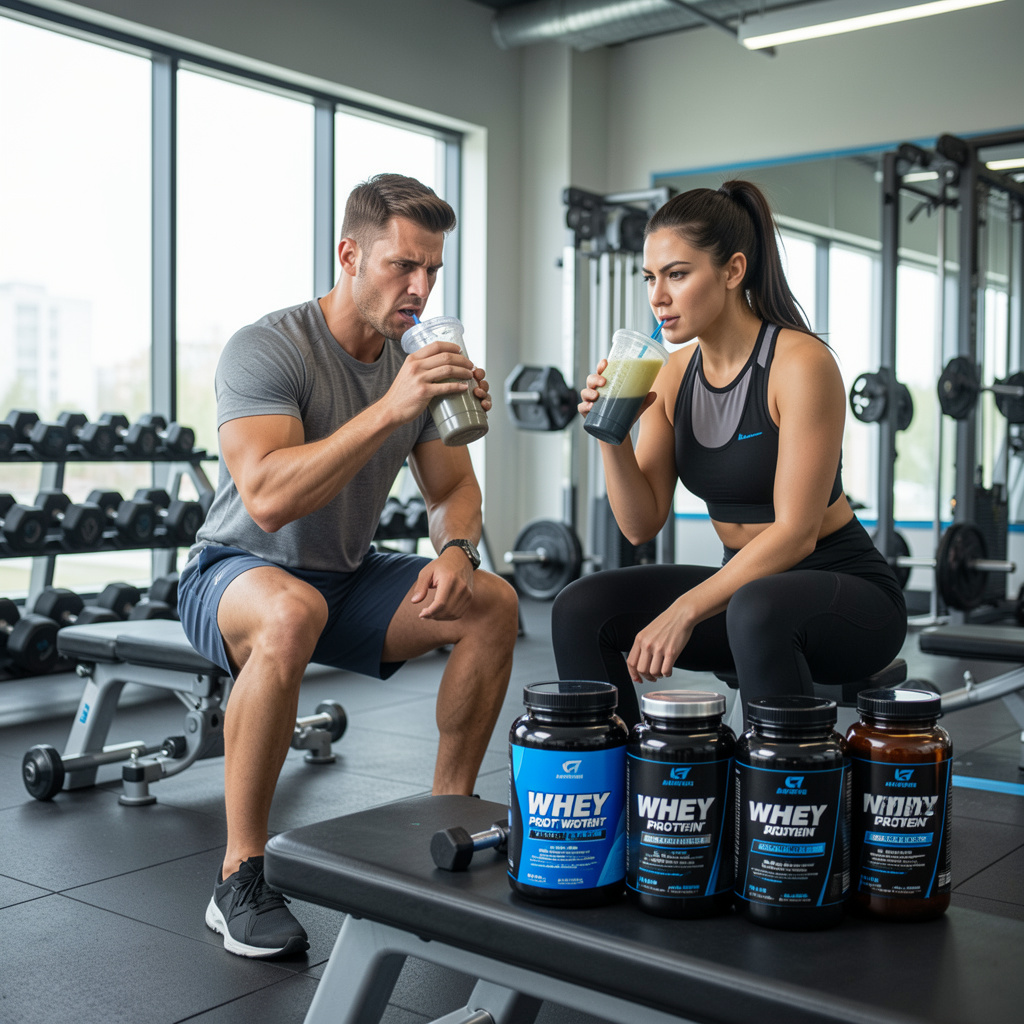
Supplements can complement a well-structured nutrition plan, but they shouldn’t replace a quality diet. Depending on individual needs and goals, athletes may consider products such as protein supplements, pre-workout formulas, or hydration-focused products as convenient additions to their routine.
The foundation remains simple: train consistently, eat appropriately, recover properly, and progressively challenge yourself.
Build Your Strongest Legs With Consistency
Building stronger legs doesn’t require an endless list of exercises or a different workout every week. The most effective approach is usually a structured lower body workout built around proven movement patterns and consistent progression.
Prioritize compound exercises, include targeted work for individual muscle groups, use progressive overload, and give your body enough time to recover. Most importantly, focus on performing each movement with controlled technique rather than chasing numbers at the expense of form.
Whether you’re training for muscle growth, athletic performance, or general strength, a smart leg day routine can become one of the most productive parts of your weekly training plan.
Stay consistent, track your progress, and give your body the nutrition and recovery it needs. Stronger legs are built one quality workout at a time.