

 English





































































































































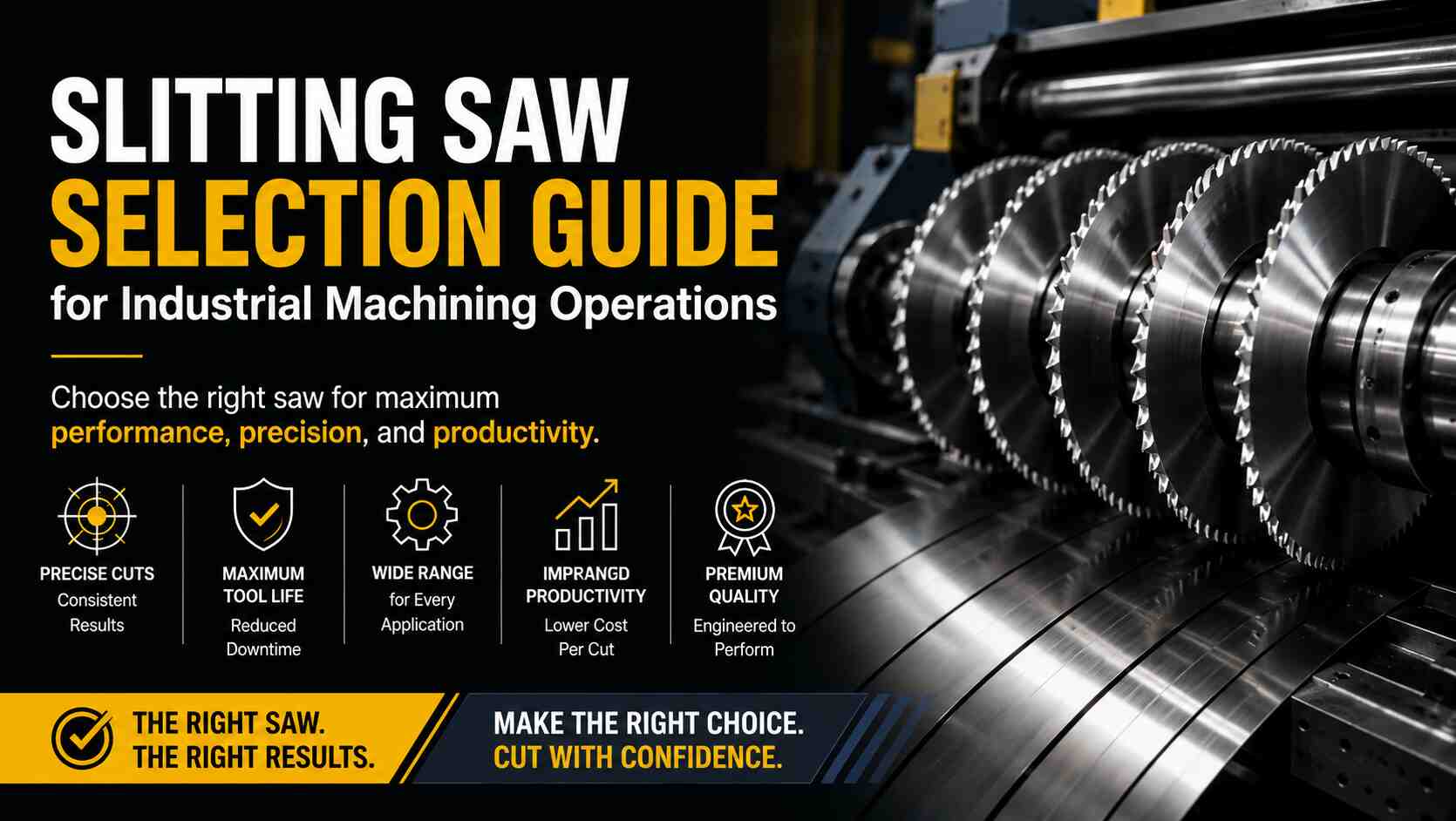









































































































































































































































































































































































































































































































































































































































































































































































































































































































































































































































































































































































































































































































































































































































































































































Slitting Saw Selection Guide for Industrial Machining Operations

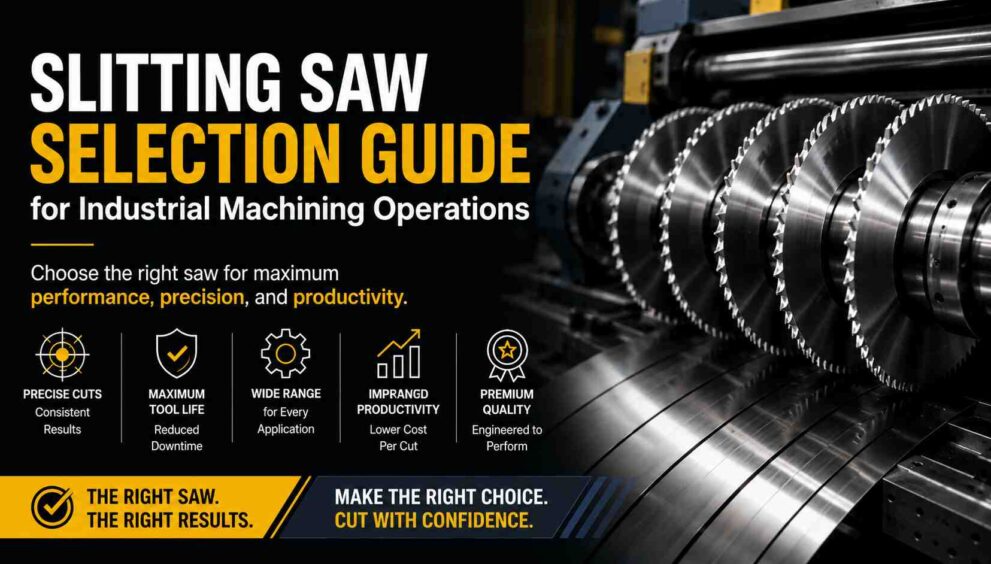
Precision cutting is a critical requirement in modern manufacturing and machining industries. Whether producing automotive components, aerospace parts, industrial machinery, or custom metal products, selecting the right cutting tool directly impacts productivity, accuracy, and operational costs. Among the various cutting tools used in machining, a slitting saw remains one of the most efficient solutions for creating narrow slots, grooves, and precise cuts in a wide range of materials.
However, choosing the correct tool for a specific application requires careful consideration of several factors. This guide explores the key aspects of selecting the ideal slitting saw for industrial machining operations and explains how the right choice can improve performance and extend tool life.
Understanding Slitting Saws
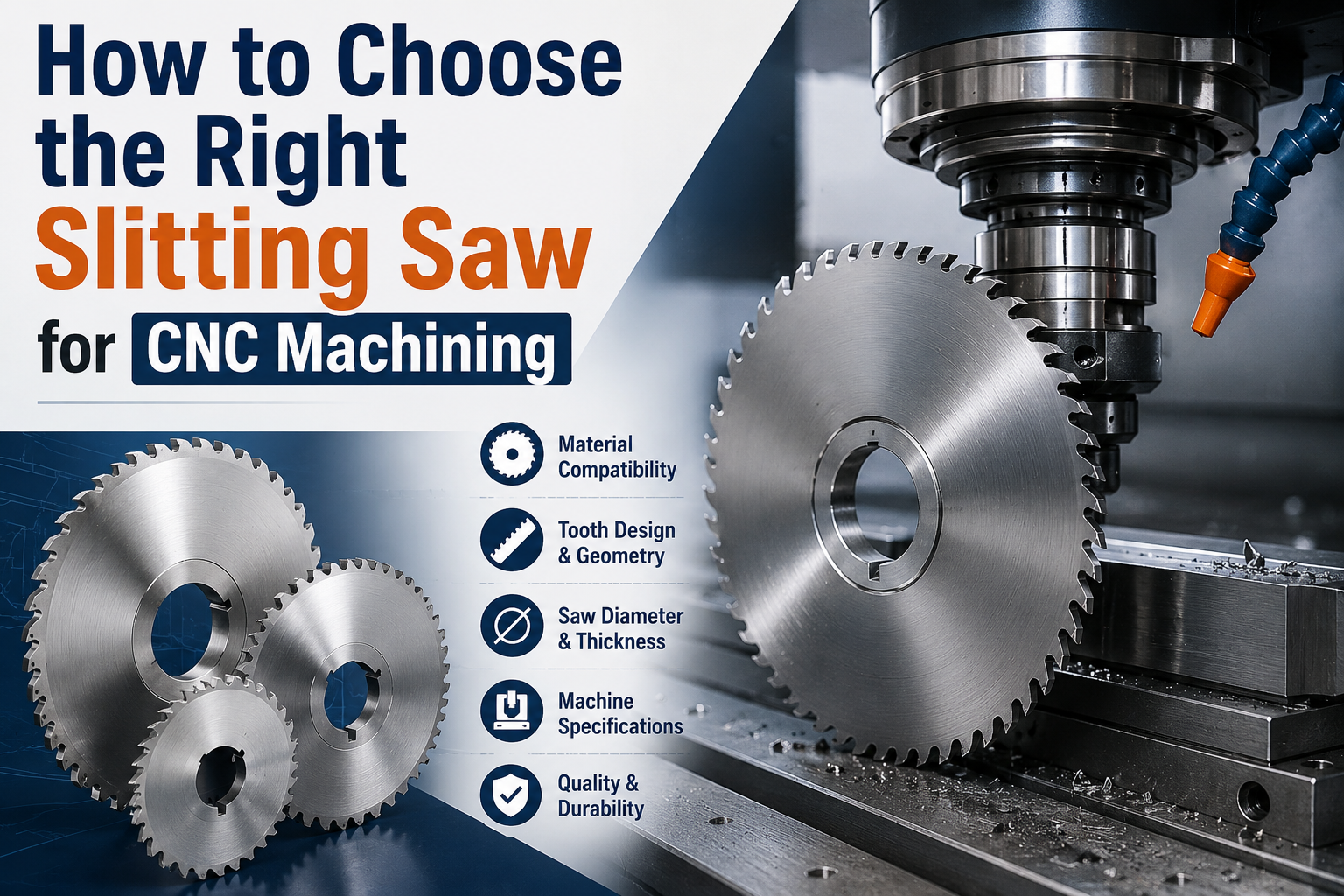
A slitting saw is a circular cutting tool designed for cutting slots, grooves, and narrow sections in metal and other materials. Mounted on milling machines, CNC machining centers, and specialized cutting equipment, these tools are widely used in manufacturing environments where precision and consistency are essential.
Unlike standard milling cutters, slitting saws are specifically engineered to create clean, accurate cuts with minimal material waste. Their thin profile allows operators to perform intricate cutting operations while maintaining tight tolerances.
Key Factors to Consider When Selecting a Slitting Saw
Here are the key factors to consider when selecting a slitting saw:
1. Material Being Cut
The first and most important consideration is the material you intend to machine. Different materials require different blade characteristics to achieve optimal results.
For example:
- Stainless steel requires high-strength cutting tools with excellent wear resistance.
- Aluminum demands sharp cutting edges to prevent material buildup.
- Hardened steel requires durable blade materials capable of withstanding high cutting forces.
- Brass and copper often benefit from specialized tooth geometries for smoother cuts.
Matching the blade material and design to the workpiece material significantly improves cutting efficiency and reduces tool wear.
2. Blade Material
The material used to manufacture the cutting tool plays a major role in performance and durability. Common options include:
- High-Speed Steel (HSS): – A versatile and cost-effective choice suitable for many general-purpose applications.
- Cobalt HSS: – Provides increased heat resistance and longer tool life when cutting tougher materials.
- Carbide-Tipped Blades: – Ideal for high-volume production environments where superior wear resistance and cutting speeds are required.
Selecting the appropriate blade material ensures consistent cutting quality while minimizing downtime caused by tool replacement.
3. Blade Diameter
The diameter of a slitting saw directly influences cutting depth and machine compatibility. Larger diameters allow for deeper cuts, while smaller diameters offer greater control and precision for delicate operations.
When choosing blade diameter, manufacturers should evaluate:
- Required cutting depth
- Machine spindle capacity
- Workpiece dimensions
- Desired cutting speed
Using the correct diameter helps maintain cutting stability and prevents excessive vibration during operation.
4. Blade Thickness
Blade thickness determines the width of the cut and affects material removal rates.
Thin blades are ideal for:
- Precision slotting
- Minimizing material waste
- Reducing cutting forces
Thicker blades are better suited for:
- Heavy-duty applications
- Increased rigidity
- Deep cutting operations
Selecting the appropriate thickness helps balance productivity, accuracy, and blade longevity.
5. Tooth Configuration
Tooth design significantly impacts cutting performance. Various tooth patterns are available to accommodate different materials and machining requirements.
Common configurations include:
- Fine-tooth designs for thin materials and smooth finishes
- Coarse-tooth designs for faster material removal
- Alternate tooth patterns for reduced vibration
- Specialized geometries for difficult-to-machine materials
Proper tooth selection improves chip evacuation, reduces heat generation, and enhances overall machining efficiency.
Importance of Cutting Speed and Feed Rate
Even the highest-quality cutting tool will underperform if operated with incorrect machining parameters.
When selecting a slitting saw, it is important to consider the recommended cutting speed and feed rate for both the blade material and workpiece material.
Optimized cutting parameters provide several benefits:
- Improved surface finish
- Reduced heat generation
- Extended tool life
- Increased production efficiency
- Lower maintenance costs
Manufacturers should always follow tooling recommendations and conduct testing when introducing new materials or machining processes.
Machine Compatibility Matters
Before purchasing a cutting tool, verify compatibility with your machining equipment. Factors to review include:
- Arbor size
- Spindle capacity
- Machine horsepower
- Maximum operating speed
- Workholding setup
Improper compatibility can lead to vibration, poor cut quality, premature tool wear, and safety concerns.
A properly matched machine-tool combination ensures stable operation and consistent machining performance.
Maintenance and Tool Care
Regular maintenance plays a crucial role in maximizing the lifespan of industrial cutting tools.
Best practices include:
- Cleaning blades after use
- Inspecting teeth for wear and damage
- Using proper lubrication and coolant systems
- Storing tools in protective environments
- Replacing worn blades before performance declines
A well-maintained slitting saw delivers reliable performance and reduces costly production interruptions.
Benefits of Choosing a High-Quality Slitting Saw
Investing in premium cutting tools provides long-term operational advantages, including:
- Greater cutting accuracy
- Improved productivity
- Reduced machine downtime
- Lower tooling costs over time
- Enhanced surface finish quality
- Increased manufacturing efficiency
High-quality tooling is especially important in industries where precision and consistency directly affect product quality and customer satisfaction.
Conclusion
Selecting the right slitting saw for industrial machining operations requires careful evaluation of material type, blade material, diameter, thickness, tooth configuration, and machine compatibility. By understanding these critical factors, manufacturers can optimize cutting performance, improve product quality, and reduce operational costs.
As machining technologies continue to advance, investing in premium cutting solutions becomes increasingly important for maintaining competitiveness. Choosing the proper tool not only improves production efficiency but also ensures reliable, precise results across a wide range of industrial applications.