

 English

















































































































































































































































































































































































































































































































































































































































































































































































































































































































































































































































































































































































































































































































































































































































































































































































































































































































The Smart Property Owner’s Guide to Site Plans and Permits

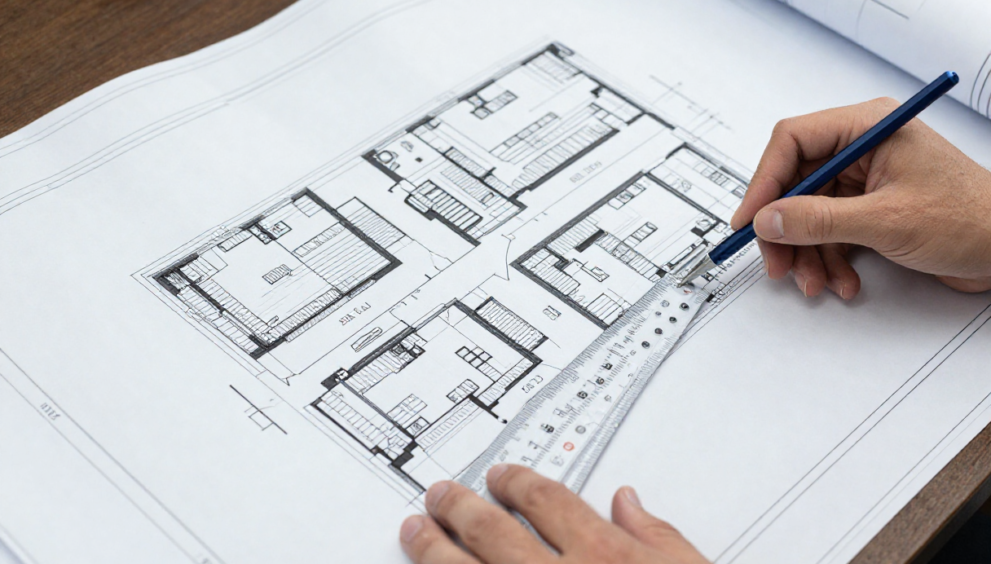
Whether you’re building a new home, adding a garage, installing a pool, or planning a commercial development, one document plays a critical role in the approval process: the site plan.
Many property owners are surprised to learn that local authorities often require detailed site plans before issuing permits. Without the proper documentation, projects can face delays, additional costs, or even permit denials. Understanding what a site plan is, how it differs from a plot plan, and how to obtain one can save valuable time and prevent unnecessary complications.
This guide explains everything property owners need to know about site plans for permits and how to get a site plan that meets local requirements.
What Is a Site Plan?
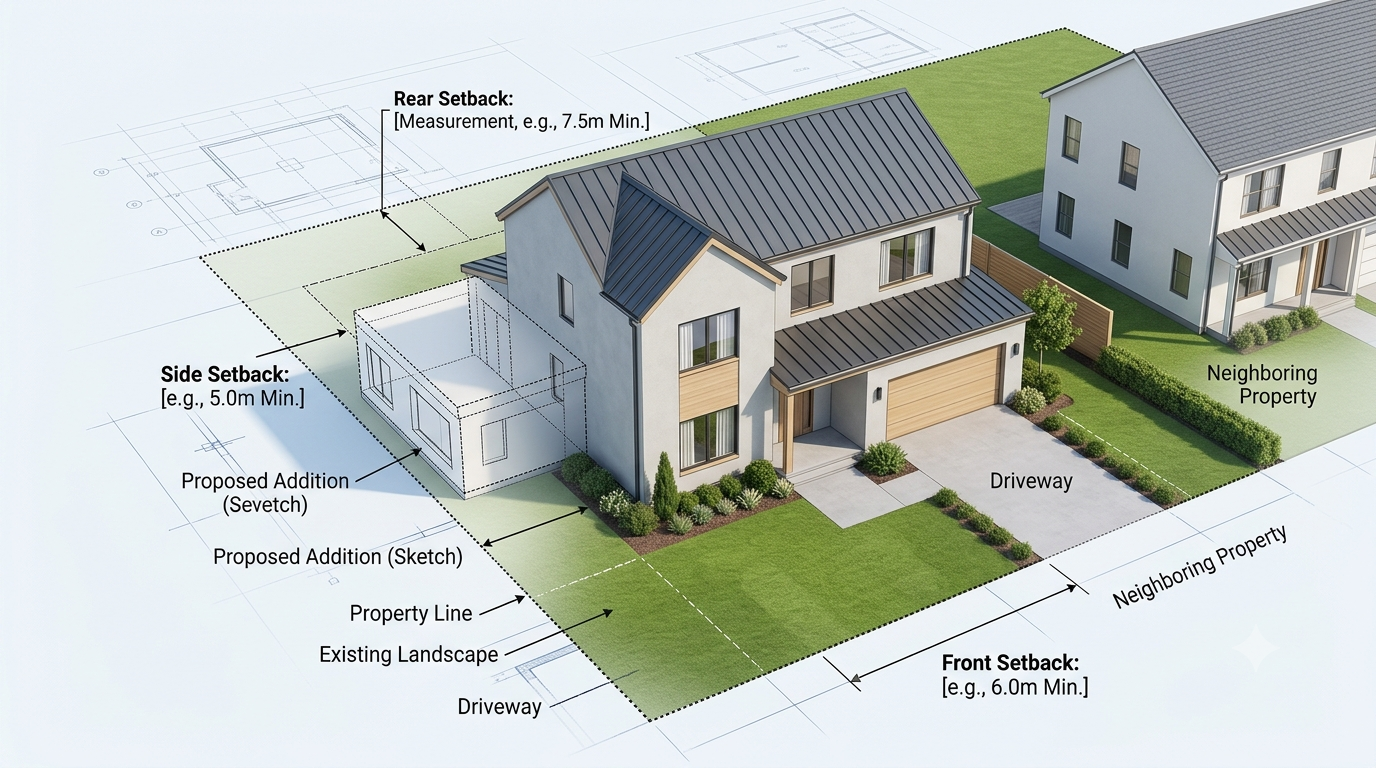
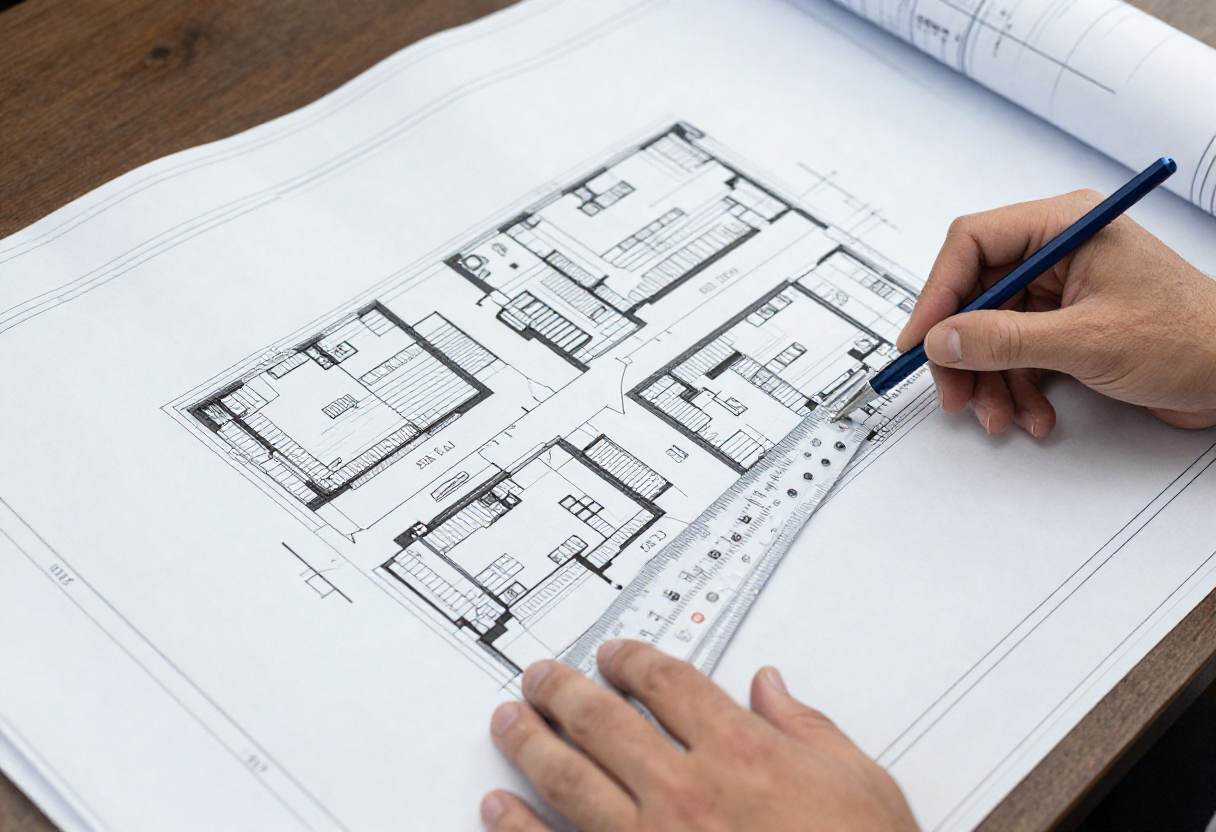
A site plan is a detailed drawing that shows the layout of a property and all existing or proposed structures on it. It provides a bird’s-eye view of the land and illustrates how buildings, driveways, utilities, landscaping, and other features are positioned in relation to property boundaries.
A professional site plan typically includes:
- Property lines and dimensions
- Existing structures
- Proposed buildings or additions
- Driveways and parking areas
- Utility connections
- Easements and setbacks
- Landscaping elements
- Drainage information
- North arrow and scale
Local planning departments use site plans to evaluate whether a project complies with zoning regulations, safety requirements, and land-use policies.
For property owners, a site plan serves as a roadmap that helps ensure construction projects move forward smoothly and remain compliant with local regulations.
Site Plan vs Plot Plan: Understanding the Difference
One of the most common questions property owners ask is about the difference between a site plan vs plot plan. Although the terms are often used interchangeably, they serve different purposes.
Plot Plan
A plot plan is generally a simpler document that focuses on the location of structures relative to property boundaries. It commonly includes:
- Property dimensions
- Building footprints
- Setback distances
- Driveways
- Basic lot information
Plot plans are often used for residential projects and smaller permit applications.
Site Plan
A site plan is more detailed and comprehensive. In addition to the information found on a plot plan, it may include:
- Utility systems
- Grading information
- Landscaping plans
- Drainage layouts
- Parking arrangements
- Accessibility features
- Environmental considerations
When comparing a site plan vs plot plan, think of a plot plan as a basic property layout and a site plan as a complete project overview.
The exact requirements vary by municipality, so it is important to check local regulations before submitting permit applications.
Why Site Plans for Permits Are So Important
Building departments and planning authorities require site plans for permits because they provide critical information about a proposed project.
Officials review site plans to determine whether a project:
- Meets zoning requirements
- Respects setback regulations
- Avoids utility conflicts
- Maintains proper drainage
- Preserves public safety
- Complies with environmental rules
Without an approved site plan, local authorities often cannot verify whether a project aligns with applicable regulations.
Common projects that may require site plans include:
- New home construction
- Home additions
- Detached garages
- Swimming pools
- Decks and patios
- Commercial buildings
- Property subdivisions
- Solar panel installations
- Accessory dwelling units (ADUs)
Submitting accurate site plans for permits can significantly reduce approval delays and minimize requests for revisions.
How to Get a Site Plan for Your Property
Many property owners wonder how to get a site plan without navigating a complicated process. Fortunately, obtaining a professional site plan is easier than ever.
1. Gather Property Information
Start by collecting available property documents, such as:
- Property surveys
- Deeds
- Tax maps
- Existing plans
- Architectural drawings
These documents help establish accurate property boundaries and existing conditions.
2. Review Permit Requirements
Before ordering a site plan, check with your local building department to determine specific requirements.
Some jurisdictions may require:
- Specific drawing scales
- Utility information
- Elevation details
- Drainage plans
- Professional certifications
Understanding requirements upfront can help avoid revisions later.
3. Work with Site Plan Professionals
Professional site plan providers can create permit-ready drawings based on your property information and project details.
Online services have simplified the process by allowing property owners to submit information digitally and receive professional plans quickly.
4. Verify Accuracy
Before submission, carefully review the completed site plan to ensure:
- Property lines are correct
- Building dimensions are accurate
- Proposed improvements are included
- Required notes are present
Even small mistakes can create approval delays.
5. Submit With Your Permit Application
Once completed, the site plan can be included with permit applications and supporting documentation required by local authorities.
Common Mistakes Property Owners Should Avoid
Permit delays often occur because of preventable errors in site plans. Being aware of these issues can save both time and money.
Missing Property Dimensions
Incomplete property measurements make it difficult for reviewers to verify compliance with regulations.
Incorrect Setback Information
Buildings that appear too close to property lines can trigger permit rejections.
Omitting Existing Structures
Every significant structure on the property should typically be shown, including sheds, garages, pools, and accessory buildings.
Using Outdated Information
Old surveys or inaccurate property data may not reflect current conditions.
Ignoring Local Requirements
Each jurisdiction has unique standards. A site plan accepted in one area may not meet requirements elsewhere.
Working with experienced professionals can help reduce these risks and improve approval success rates.
Benefits of Professional Site Plans
While some property owners attempt to create their own drawings, professionally prepared site plans often provide substantial advantages.
Faster Permit Approvals
Accurate plans help reviewers evaluate projects more efficiently.
Reduced Revisions
Professionally prepared documents are less likely to contain errors that trigger correction requests.
Better Project Planning
Detailed site plans help property owners visualize layouts before construction begins.
Regulatory Compliance
Professionals understand common permit requirements and design plans accordingly.
Increased Confidence
Knowing that a site plan has been prepared correctly can reduce stress throughout the permitting process.
For many property owners, professional site plans represent a worthwhile investment that helps avoid costly delays and complications.
Final Thoughts
Site plans are one of the most important documents in the construction and permitting process. Whether you’re building a new structure, adding an extension, or making improvements to your property, understanding site plan vs plot plan distinctions and permit requirements can make the process significantly easier.
High-quality site plans for permits help local authorities evaluate projects accurately while giving property owners confidence that their plans comply with regulations.
If you’re preparing for a construction project and need to get a site plan quickly and professionally, working with experienced site plan specialists can help streamline the process and keep your project moving forward.
By investing in an accurate site plan from the start, property owners can save time, avoid costly setbacks, and improve the chances of obtaining permit approval without unnecessary delays.