

 English











































































































































































































































































































































































































































































































































































































































































































































































































































































































































































































































































































































































































































































































































































































































































































Why Vertical Multistage Pumps Keep Gaining Ground in Retrofits

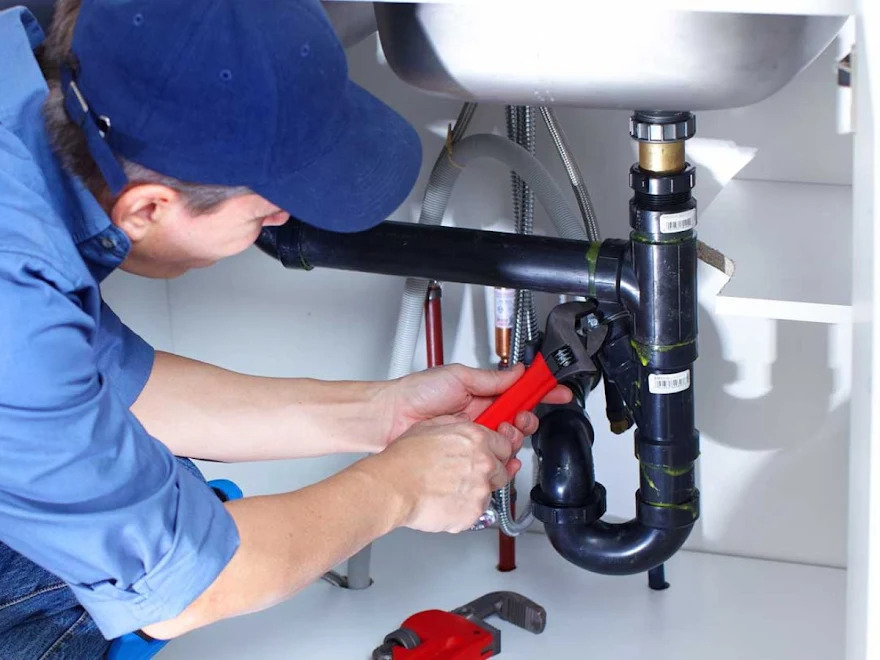
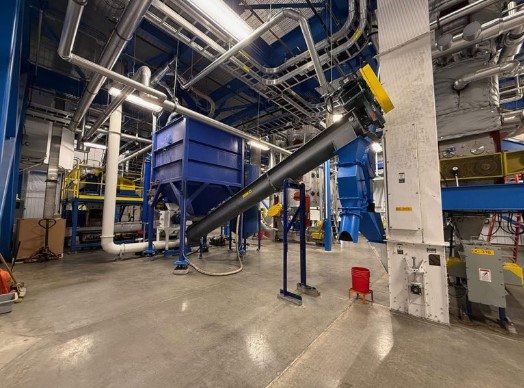
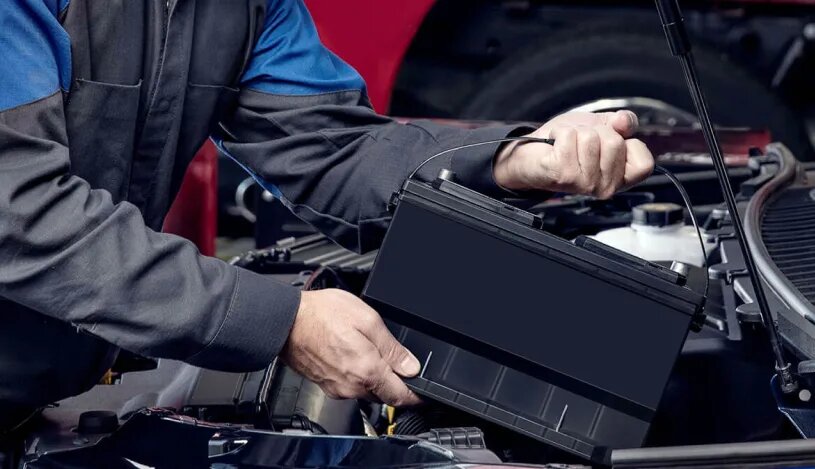
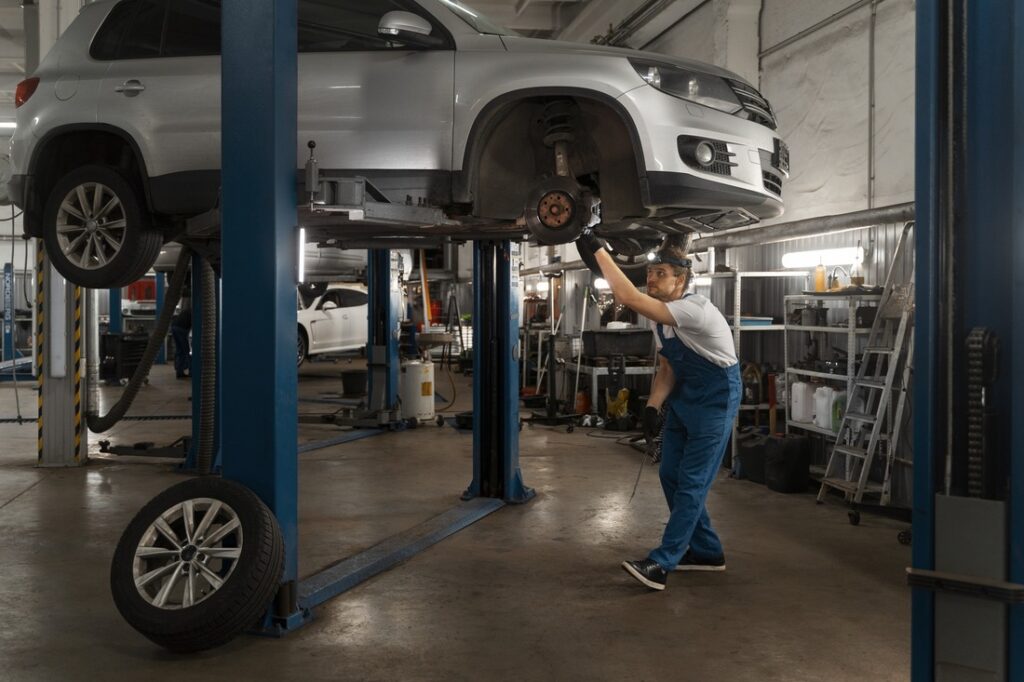
Retrofit work rarely starts with a blank slate. It starts with a tight mechanical room, an old booster set, pressure complaints, or a maintenance team tired of repeated fixes. In that setting, pump selection becomes very practical. The right pump has to fit the room, meet the duty point, and reduce disruption during replacement. That is one reason Vertical Multistage Pumps keep moving up the list in retrofit projects.
A Retrofit Pump Has to Earn Its Place
Replacement projects leave little room for error. A pump that looks fine in a submittal can still become a poor retrofit choice if it forces piping changes, adds floor space pressure, or creates service issues after startup. Vertical multistage construction helps limit those problems because the pump footprint stays compact while the staged impeller design supports higher head requirements. That makes this pump category a strong fit for buildings that need pressure without giving up valuable mechanical room space.
The performance range also supports real retrofit needs. These pumps are built to handle demanding flow, head, temperature, and pressure conditions across commercial and industrial systems. That gives engineers and contractors more flexibility when an older system needs a replacement pump that can match operating conditions without moving into an entirely different product category. In retrofit planning, that flexibility can save both time and rework.
Why Multistage Design Works So Well in Retrofit Pressure Jobs
Most retrofit pressure problems sound simple at first. Upper floors lose pressure. Peak demand pushes the system too hard. An older booster set no longer keeps up. The fix, though, is not always simple. The replacement pump has to build pressure efficiently and fit into a system that may include older piping, variable demand, and limited room for changes.
That is where multistage design makes a real difference. By using several impellers in sequence, the pump builds pressure in a controlled way instead of trying to push the full load through a single-stage design. That helps support higher head applications such as potable water pressure boosting and boiler feed duty. It also explains why Vertical Multistage Pumps remain a strong option for buildings that need pressure performance without major changes to the room or piping layout.
The Application Spread Is Broader Than Many Buyers Expect
Some buyers still think vertical multistage pumps belong only in domestic booster systems. That view misses the full range of retrofit applications. This pump category supports a wide spread of duties that show up again and again in existing facilities. That makes it useful for engineers, contractors, and facility teams looking for a pump that can serve more than one type of system demand.
Common applications include:
- Potable water pressure boosting
- HVAC circulation systems
- Boiler feed systems
- Fire system jockey pumps
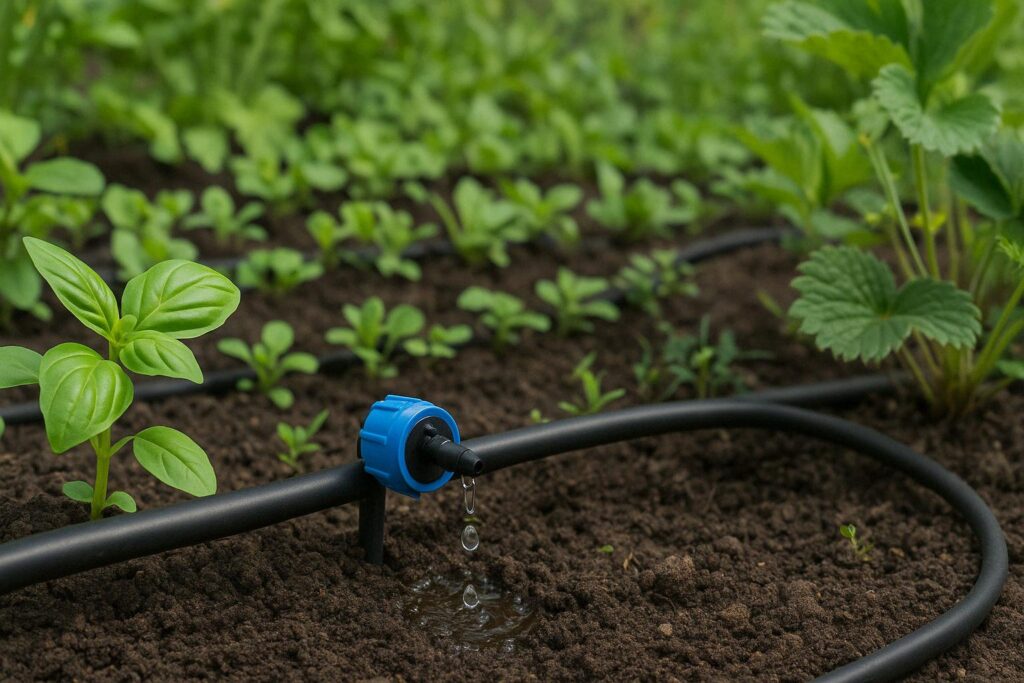
- Irrigation systems
- Solids-free water handling in industrial and municipal facilities
Efficiency and Operating Range Support Long-Term Use
Retrofit decisions do not end when startup is complete. The pump has to run well year after year under changing load conditions. That is why efficiency and operating range still deserve attention during selection. A pump that simply restores lost capacity may not be enough if it creates higher operating costs or struggles under variable system demand.
Vertical multistage pumps work well here because they combine high pressure capability with a broad operating range. That makes them useful in systems that demand both stable pressure and steady service over time. In heating, circulation, and booster applications, that range can help the system perform more reliably without forcing the building team into constant adjustment. Long-term value often comes from this kind of practical fit.
What to Look for Before Specifying One
A strong retrofit result begins with disciplined selection. The pump has to fit the duty point, available space, piping arrangement, and maintenance plan. It also has to match the building’s water profile and operating temperature. Skipping those checks can turn a solid product into a poor application fit, which is exactly what retrofit teams try to avoid.
Focus on these points during selection:
- Required flow and head across actual operating conditions.
- Available footprint in the mechanical room.
- Liquid temperature and pressure limits.
- Material fit for the system water profile.
- Service access for seals and routine maintenance.
- Whether the duty is boosting, circulation, boiler feed, or jockey pump support.
Why This Pump Category Keeps Gaining Ground
Retrofit projects reward products that solve several problems without creating new ones. A vertical multistage pump can save floor space, support higher pressure duties, cover a broad set of applications, and offer material options that suit real mechanical systems. That combination explains why this category keeps gaining traction in retrofit work.
For buildings that need stronger pressure performance in an existing footprint, the case is easy to understand. The pump brings a compact form, broad application coverage, and the pressure capability needed for pressure boosting, HVAC circulation, boiler feed, and jockey pump service. That makes it a practical choice for retrofit teams working with the room they already have, not the one they wish they had.
Conclusion
If a retrofit project needs more pressure, less floor space pressure, and a cleaner fit for an existing system, a vertical multistage pump deserves close review.
Check the duty point, room constraints, and operating conditions, then compare them against a pump line built for pressure boosting, HVAC circulation, boiler feed, and jockey pump service. A well-matched selection can turn a difficult replacement into a far more manageable upgrade.