

 English



























































































































































































































































































































































































































































































































































































































































































































































































































































































































































































































































































































































































































































































































































































































































































































Shear vs Slitter Blades: Key Differences Explained

When it comes to precision metal cutting, two terms often get used interchangeably even though they refer to very different tools: shear blades and slitter blades. If you work in metal processing, coil handling, or fabrication, understanding the distinction between these two blade types is essential for choosing the right equipment, improving cut quality, and reducing downtime.
In this guide, we’ll break down what shear blades and slitter blades actually do, how they differ in design and application, and how to decide which one your operation needs.
What Are Shear Blades?
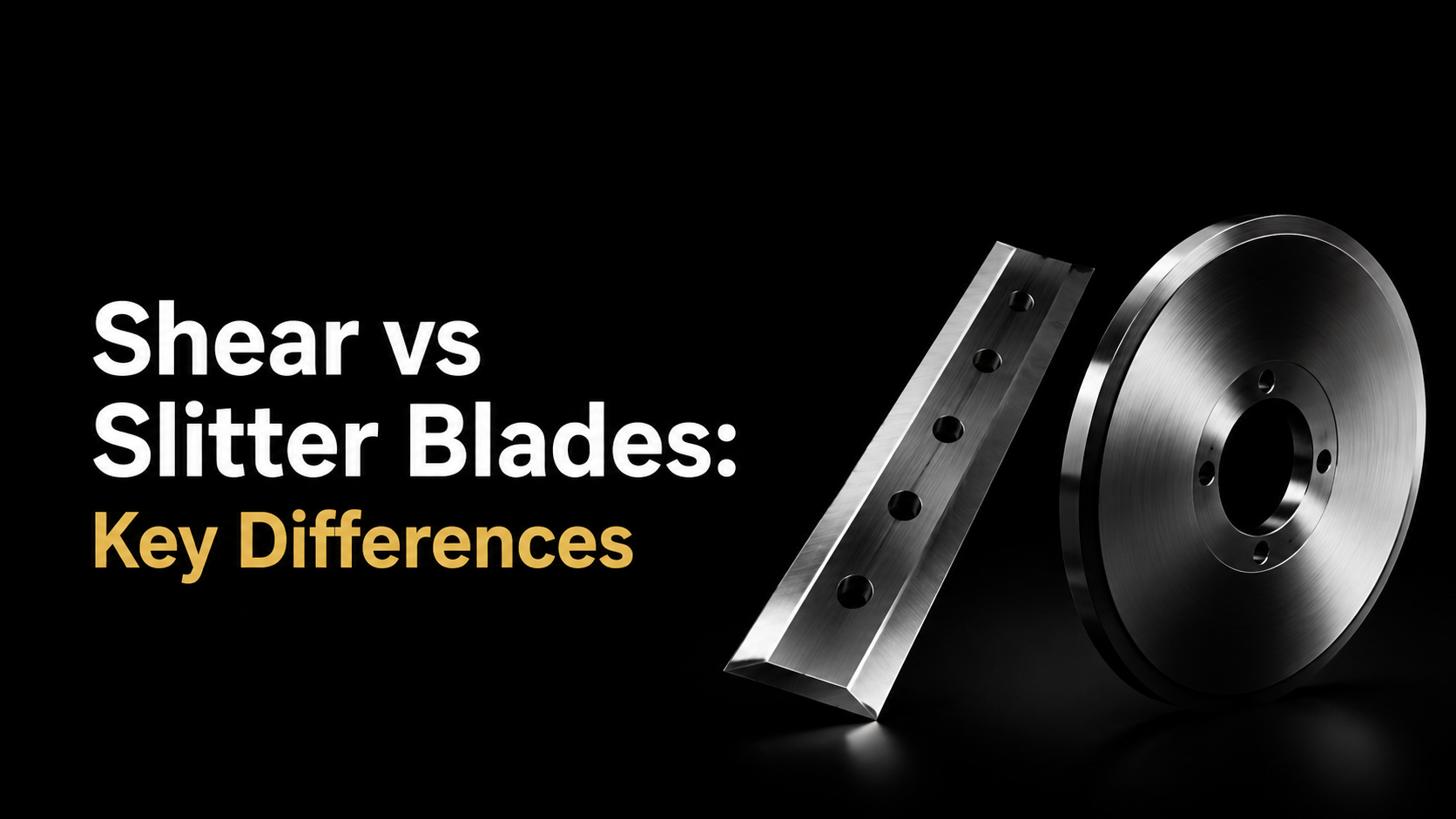
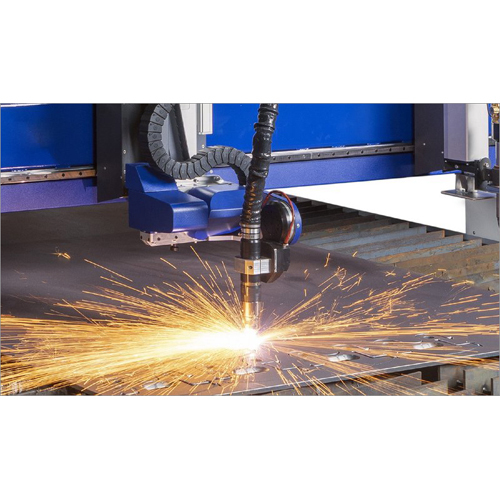
Shear blades are used in shearing machines to make straight, single cuts across flat metal sheets or plates. The process works much like a giant pair of scissors, where the upper blade move down past a stationary lower blade to create a clean, straight-line cut through the material. High-quality Shear blades ensure precise cuts, reduced material waste, and consistent performance across a wide range of metal processing applications.
Shear blades are typically used for:
- Cutting sheet metal to size before further processing
- Trimming edges of plates and coils
- Producing straight-line cuts on thicker gauge materials
- One-off or batch cutting where a single, precise cut is needed
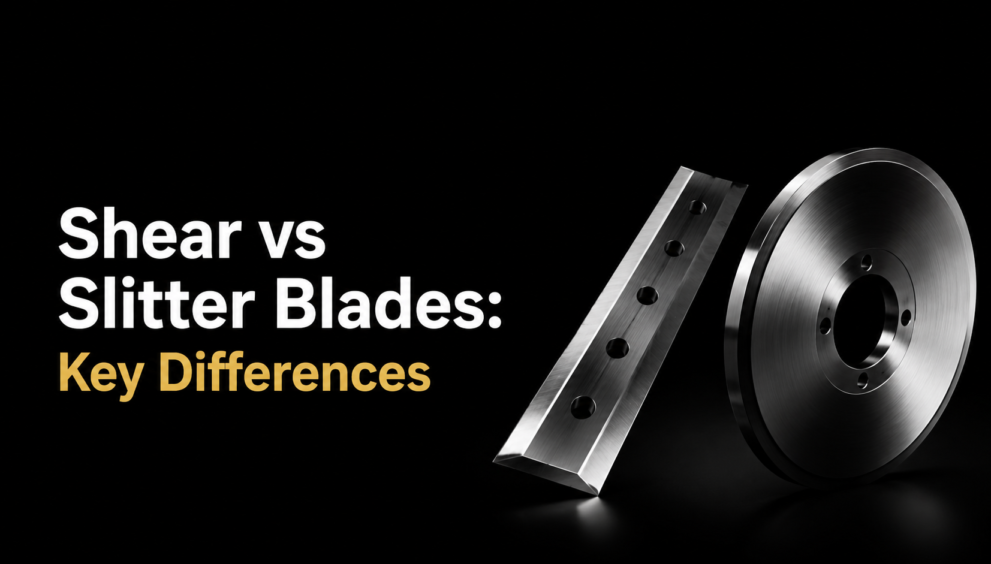
Because shearing relies on a scissor-like shearing action between two blades, the blades themselves are usually long, straight, and mounted on a shear machine’s upper and lower beams.
What Are Slitter Blades?
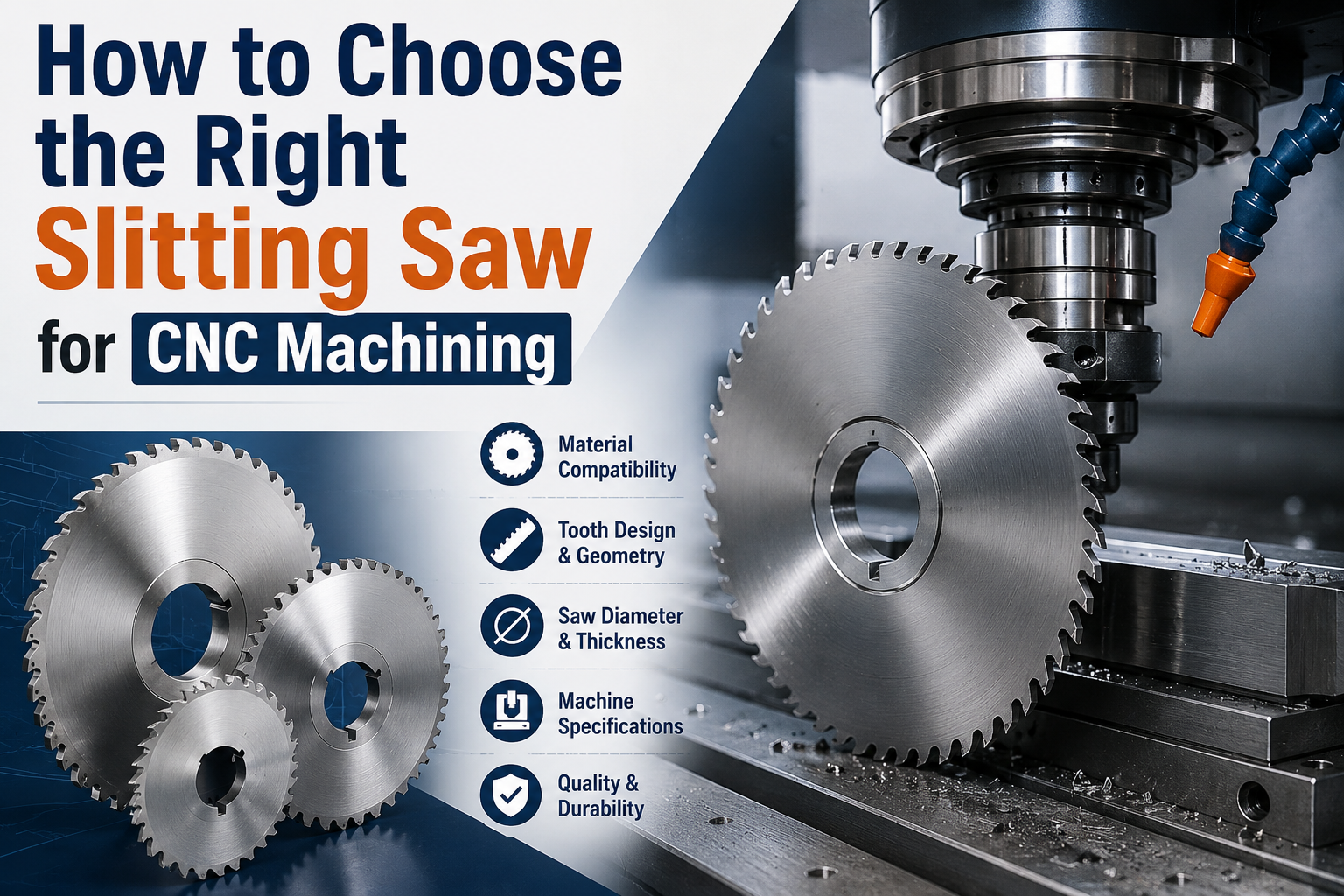
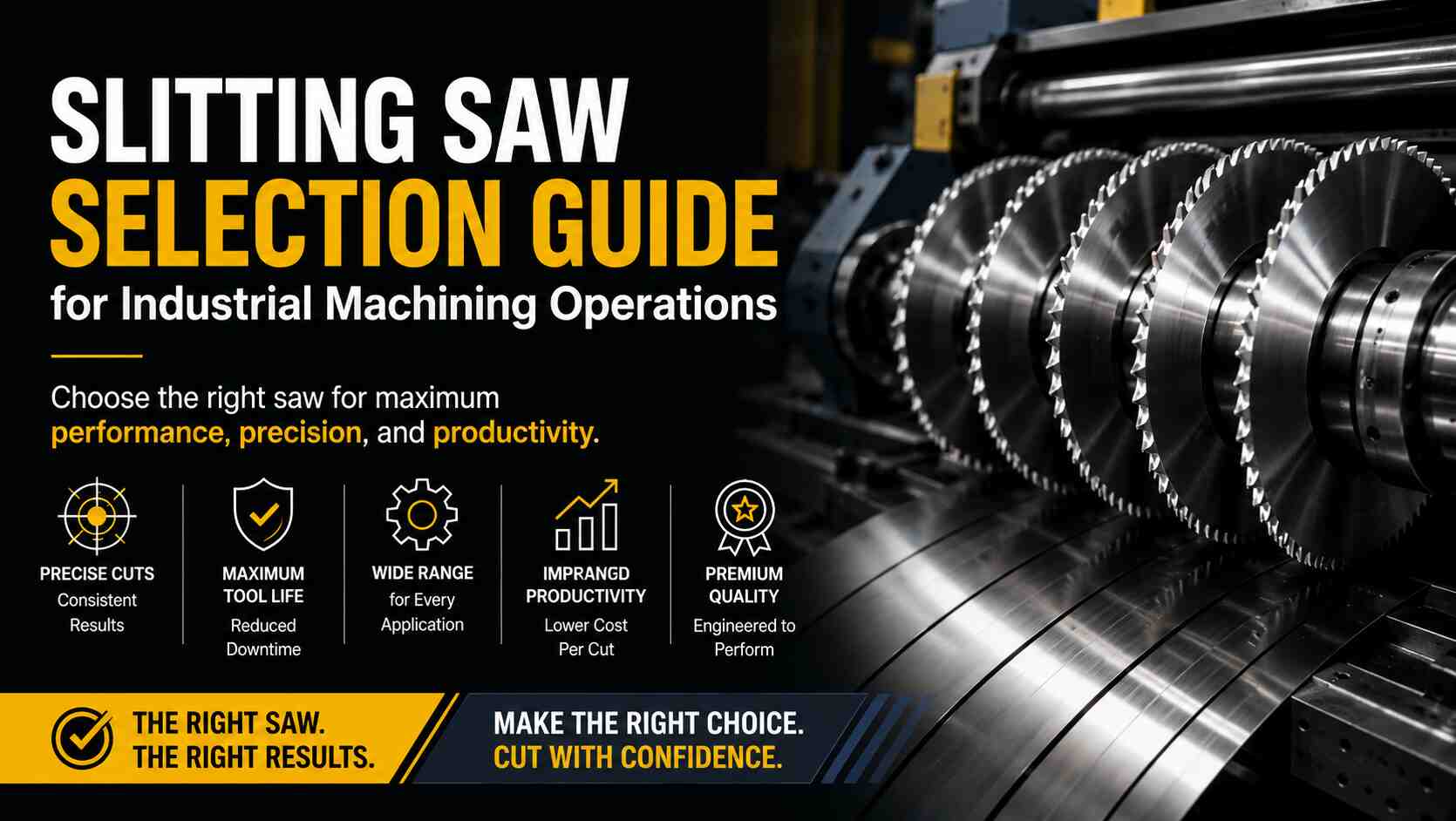
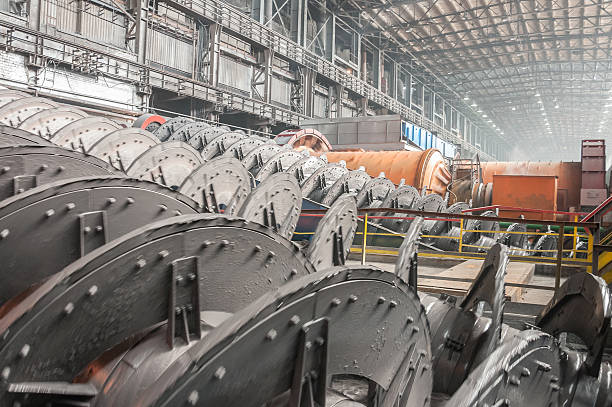
Slitter blades come in a few common types:
- Shear slitting blades – Use a rotary shear action between two circular blades, similar in principle to shearing but continuous and rotational
- Razor slitting blades – Thin, sharp blades that score or slice through lighter-gauge materials
- Crush slitting blades – Use pressure between a blade and an anvil roll to separate material, often used on thinner or softer metals
Slitter blades are essential in industries that need to convert wide coils of steel, aluminum, copper, or other metals into narrower coils for downstream manufacturing – think automotive parts, appliance components, construction materials, and more.
Key Differences Between Shear Blades and Slitter Blades
| Feature | Shear Blades | Slitter Blades |
| Blade shape | Long, straight blades | Circular, rotary blades |
| Cutting motion | Up-and-down scissor action | Continuous rotary cutting |
| Output | Single straight cut | Multiple narrow strips |
| Material form | Flat sheets or plates | Coiled metal |
| Typical use | Sizing and trimming sheets | Converting wide coil into strip widths |
| Production style | Batch or single-piece cutting | Continuous, high-volume processing |
| Precision focus | Straight-edge accuracy | Consistent strip width and edge quality across long runs |
Which One Do You Need?
The right blade depends entirely on the type of cutting operation you’re running.
- Choose shear blades if your process involves cutting flat sheets or plates to length or trimming edges, and you need one straight cut at a time.
- Choose slitter blades if you’re processing coiled material and need to divide it into multiple strips of consistent width, especially for high-volume, continuous production lines.
Many metal processing facilities actually use both – shears for initial sheet sizing and slitters for coil-to-strip conversion – depending on where the material sits in the production workflow.
Why Blade Quality Matters
Whether you’re using shear blades or slitter blades, blade quality has a direct impact on:
- Edge quality – Dull or poorly matched blades cause burrs, camber, and rough edges
- Production speed – Worn blades slow down cutting cycles and increase scrap
- Tool life – High-quality tool steel and proper heat treatment extend blade life significantly
- Downtime – Frequent blade changes and re-sharpening eat into productivity
This is why sourcing precision-ground, properly hardened blades from an experienced manufacturer matters just as much as choosing the right blade type.
Conclusion
Shear blades and slitter blades may both fall under the “metal cutting tool” umbrella, but they serve very different purposes. Shear blades deliver straight, single-pass cuts on flat sheets, while slitter blades handle continuous, high-volume strip cutting from coiled material. Knowing the difference helps you select the right tooling, improve cut quality, and keep your production line running efficiently.
If you’re looking for precision-engineered blades built for consistent performance and long tool life, Maxwell Slitters offers both shear blades and slitter blades, manufactured to your exact material, gauge, and production requirements. Whether your line needs straight-cut shearing or continuous coil-to-strip slitting, their expertise in blade manufacturing makes them a trusted choice for facilities that can’t afford downtime or inconsistent cuts.
Ready to upgrade your cutting operation? Reach out to Maxwell Slitters today to discuss your shear and slitter blade specifications and get a solution built for your production line.
Frequently Asked Questions (FAQs)
1. What is the main difference between shear blades and slitter blades?
Shear blades make a single straight cut across flat sheets or plates using a scissor-like action, while slitter blades are circular, rotary blades that cut wide coils into multiple narrow strips in one continuous pass.
2. Can the same machine use both shear blades and slitter blades?
No. Shears and slitters are different machines built for different cutting motions – a shearing machine cannot perform rotary slitting, and a slitting line isn’t designed for straight-line sheet shearing.
3. What materials are slitter blades commonly used on?
Slitter blades are commonly used on steel, stainless steel, aluminum, copper, and other coiled metals across industries like automotive, construction, and appliance manufacturing.
4. How often should slitter blades be sharpened or replaced?
This depends on material thickness, hardness, and production volume, but most facilities inspect blades regularly and re-sharpen or replace them at the first sign of burrs, edge roughness, or increased cutting resistance.
5. Why should I choose Maxwell Slitters for my blade needs?
Maxwell Slitters manufactures both shear blades and slitter blades, designed for consistent edge quality, extended tool life, and reliable performance across sheet shearing and high-volume coil slitting operations alike.