

 English














































































































































































































































































































































































































































































































































































































































































































































































































































































































































































































































































































































































































































































































































































































































































































































































































































































How Real-Time Data Improves Financial Reconciliation


Finance teams carry a unique pressure: numbers must be right every time, and timing matters just as much as accuracy. Traditional month-end routines often feel like a sprint, where issues surface late and everyone races to fix them before the reporting deadline. This way of working served its time, but expectations have shifted.
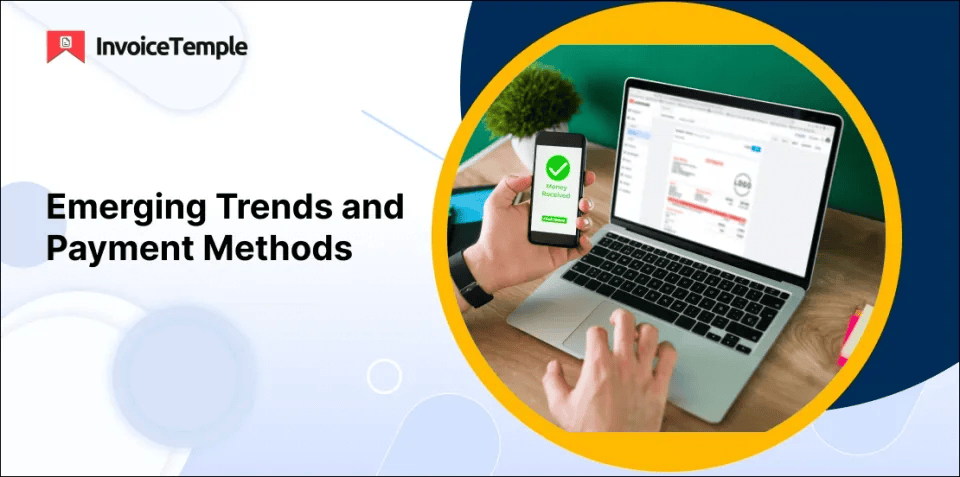
In this blog, you will see why real-time insight changes how reconciliation feels and functions, and how it turns constant firefighting into steady control and faster decisions. Real-time data brings continuous visibility into your accounts, letting you catch mismatches early, reduce surprises, and stay audit-ready throughout the month.
Why Timing Shapes Reconciliation Success?
Timing plays a major role in how smoothly financial reconciliation runs and how quickly issues surface. In this section, we will talk about why the pace of review and process itself can make or break accuracy, transparency, and overall control.
Traditional Cycles Create Blind Spots
When you reconcile only at the end of a period, you look backward. You spot misposts, bank breaks, or missing support only when your team is already pressed for time.
That means extra calls with other departments, more emails, and late-night spreadsheet checks. Even small issues can snowball when they sit unnoticed for weeks, turning simple adjustments into messy backlog work.
Continuous Monitoring Reduces Stress And Guesswork
Real-time updates change when problems show up, right when they happen. You see variances during the month, not after. That gives you time to fix them calmly, trace the source, and confirm any corrections without rushing.
Instead of hunting for old PDFs or re-tracing a partner team’s logic, you act fresh, while details are still clear. Over time, this habit reduces errors and brings peace of mind to you.
Better Confidence Throughout The Period
When accounts reflect accurate values all month, your reporting becomes steadier. Leadership feels more confident using interim numbers. Auditors get cleaner trails. Your team avoids that spike of work at period-end because most items have already passed through review. Continuous review builds trust, not only in the system but in your process and decisions.
The Shift You Experience with Real-time Data
Real-time data replaces the wait-and-see approach with constant visibility, so activity stays accurate as it happens instead of getting corrected later.
Early Alerts And Cleaner Ledgers
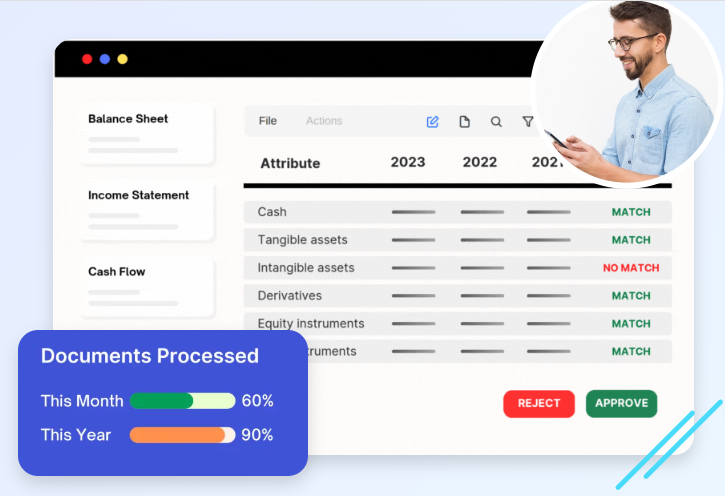
Real-time systems flag mismatches when they happen. If a bank entry doesn’t line up with what sits in the ERP, or an intercompany charge doesn’t match the other side, you know immediately. That means fewer aged variances and smoother books. You spend less time fixing and more time confirming.
Less Manual File Juggling
Manual downloads and email-file hunts fade because data flows automatically from banking platforms, ERPs, and sub-systems. Teams stop refreshing spreadsheets or waiting for file shares.
You look at live information instead of asking around for the newest version. With less clicking and copying, you have free time to focus on judgment instead of gathering.
Ongoing Audit Readiness
Auditors prefer records that track what happened, not someone’s notes stitched together at month-end. When every adjustment, explanation, and attachment stays logged in one place, your files stay ready. Reviewers can follow each step, and supporting evidence never goes missing in someone’s inbox.
How Modern Tech Supports Real-time Reconciliation
Modern tools make it possible to reconcile as activity happens, not days later, and this section looks at the technologies that keep systems synced, surface records instantly, and support continuous accuracy.
Direct System Integrations
APIs and finance-automation tools stream information from varied systems instead of relying on exports. That means your ledger, bank records, and sub-ledger feeds stay aligned. When something changes, you see it quickly, and you avoid stale balances.
OCR And Document Reading
Statements, receipts, loan reports, and supporting docs often sit in PDFs or emails. OCR and language models read them as they come in, pull key numbers, and match them to transactions. You avoid scribbling notes or manually typing data into sheets. This matters a lot for banking, loan schedules, and vendor credits.
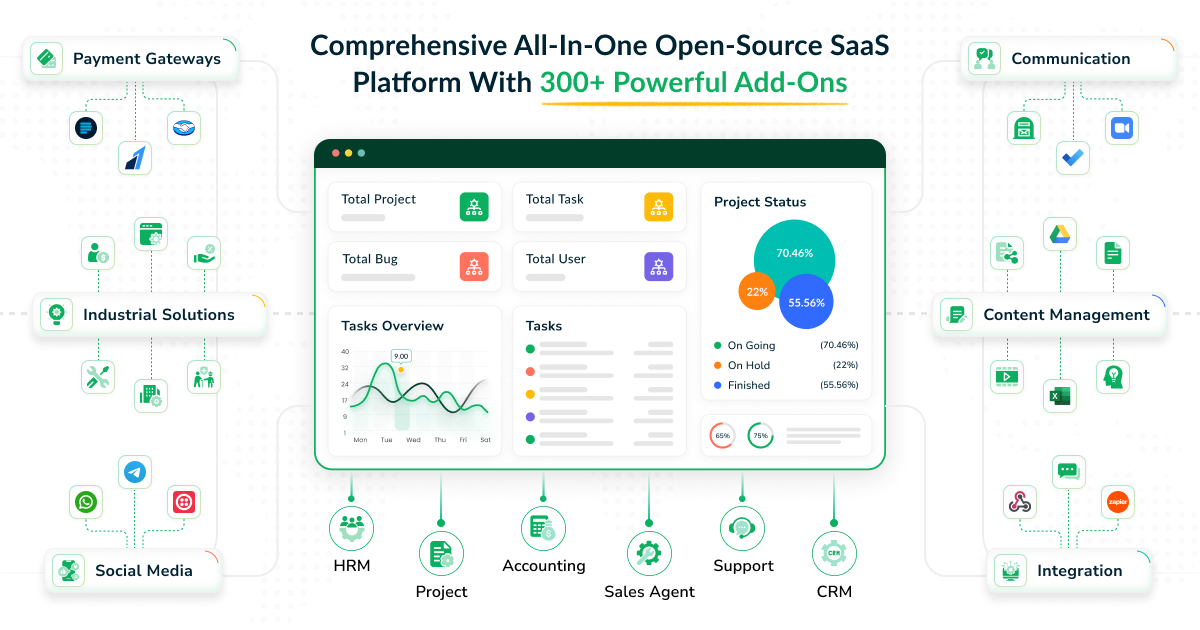
Unified Dashboards And Review Screens
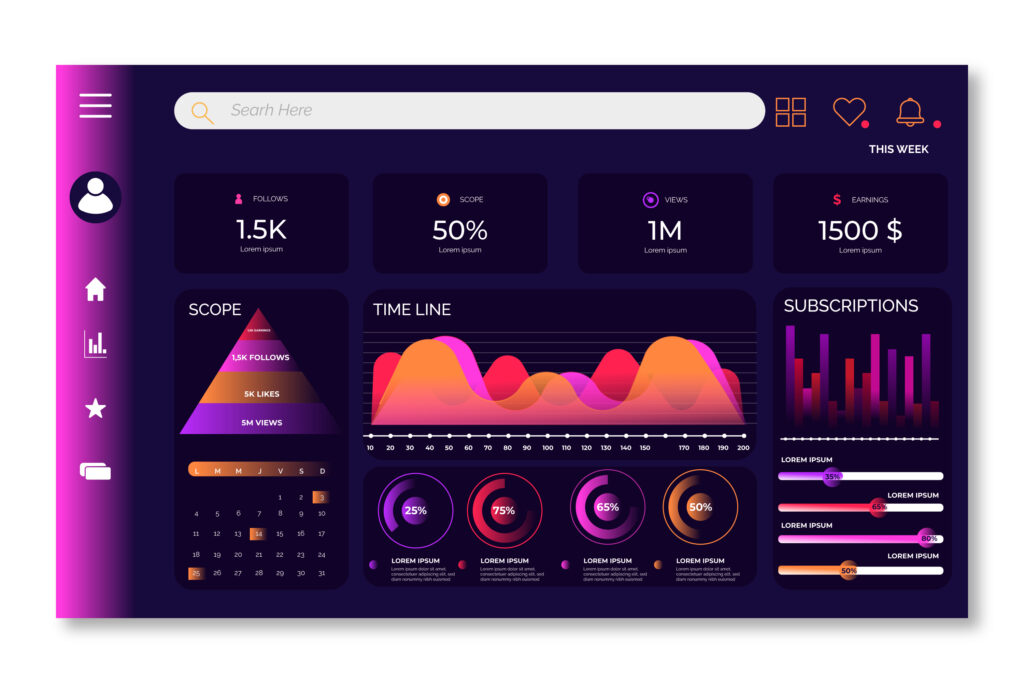
Everything lands in one workspace, such as balances, matches, comments, and flags. You track open tasks, see unresolved items, and follow who reviewed what. That shared view cuts confusion and sets clear ownership. No one wonders if a file was checked; the record shows it.
Automated Certifications And Alerts
Rules can approve low-risk, recurring, or small-variance accounts automatically. Higher-risk items go to humans. You get notifications for things that matter, instead of sorting through everything. This saves cognitive effort and reduces oversight slips.
Conclusion
Finance is moving toward continuous accuracy, not just deadline-driven work. As data updates every day, your team gains room to think, not scramble. That shift supports faster decisions, more reliable numbers, and smoother audits. Over time, continuous financial review becomes the norm, and the old stop-and-start rhythm fades.
The next step will blend real-time data with predictive logic, so you don’t just react to mismatches, you spot patterns early and guide decisions with confidence. Continuous improvement starts with visibility, and steady insight builds stronger financial practices.

