

 English






































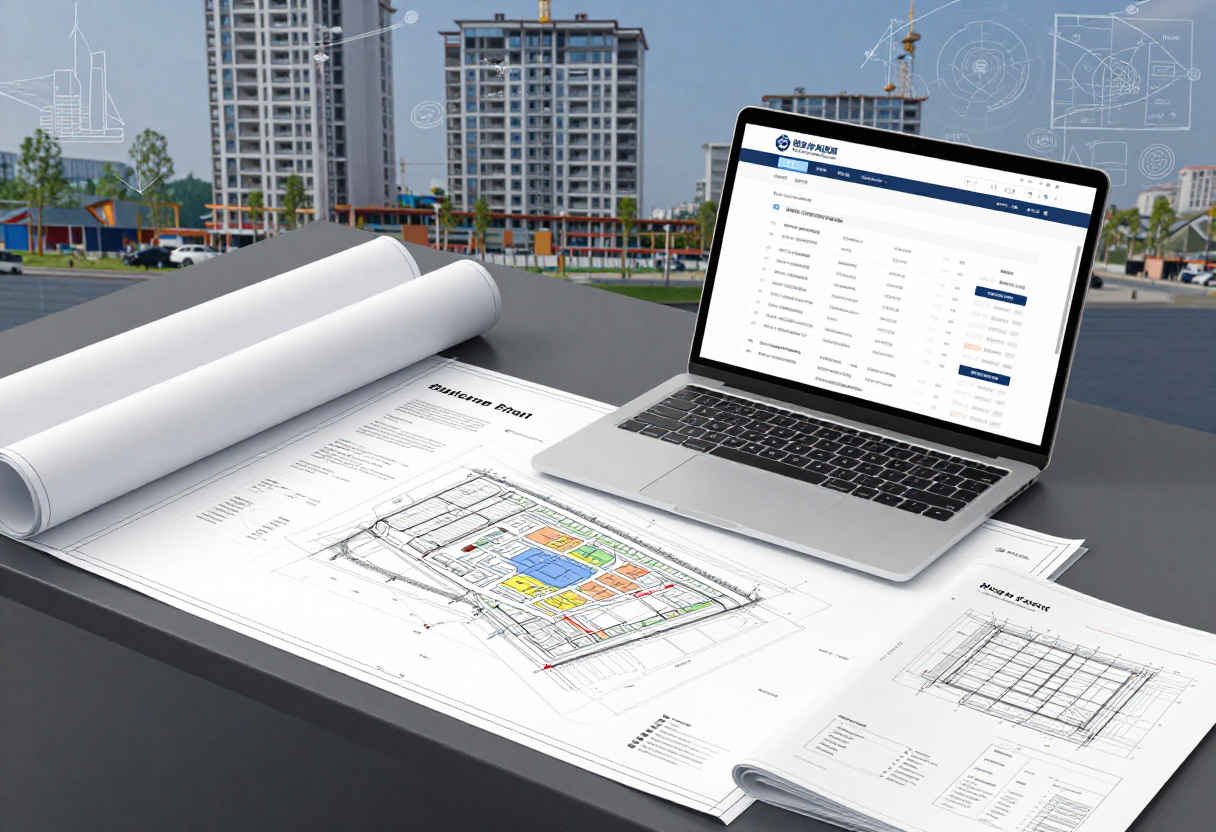




























































































































































































































































































































































































































































































































































































































































































































































































































































































































































































































































































































































































































































































































































































































A Complete Guide to Substation Design and Grid Compliance

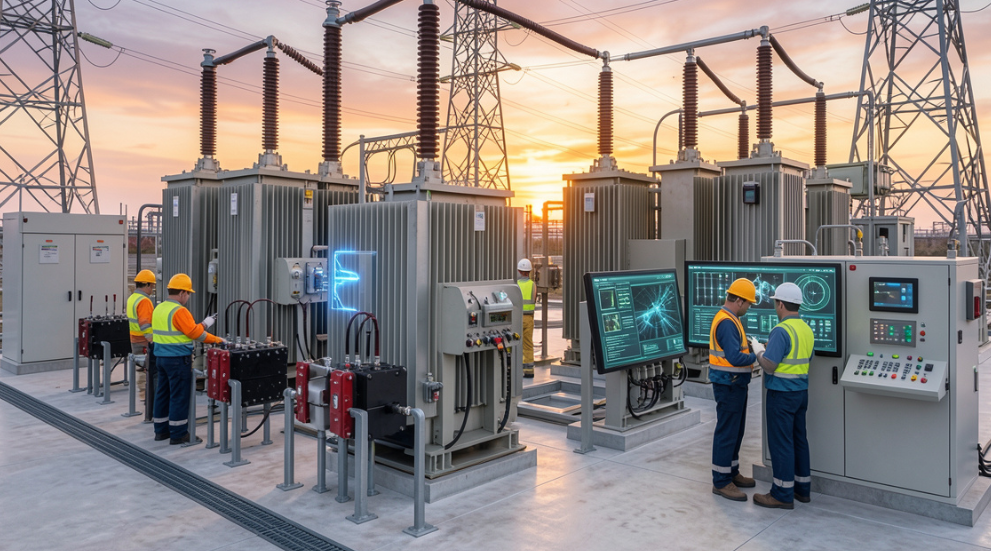
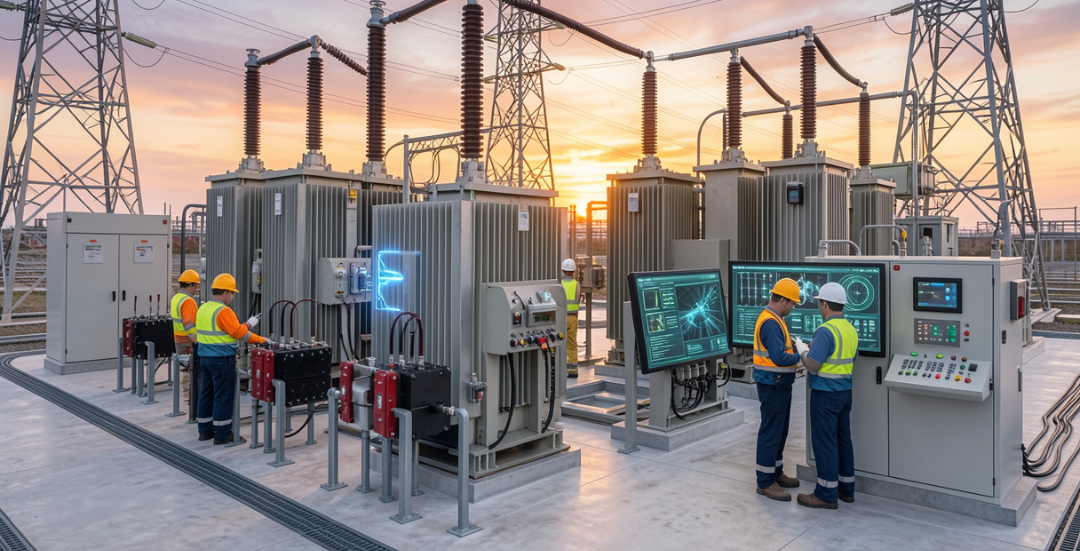
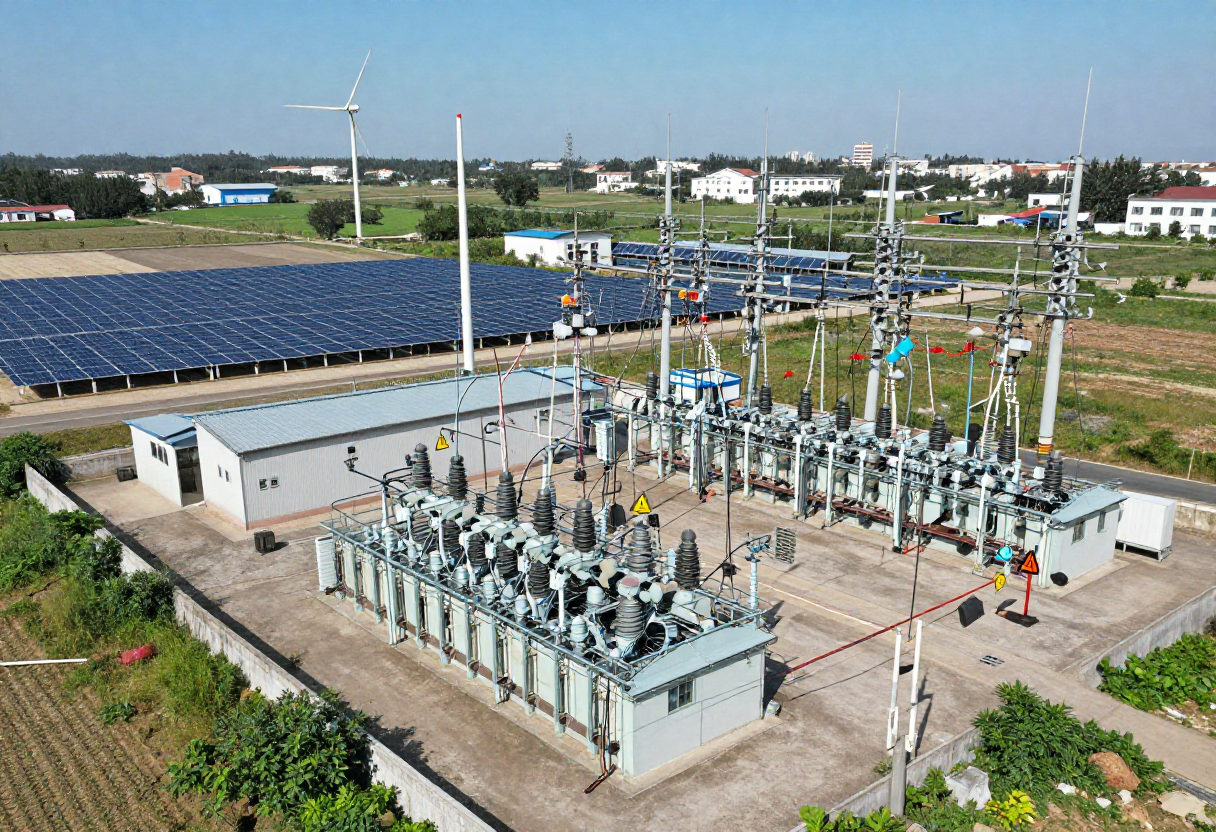
Modern power systems are evolving rapidly due to increasing energy demand, renewable integration, and stricter regulatory frameworks. In this dynamic environment, integrating technical design with compliance requirements is no longer optional—it is essential. A well-planned approach to power substation design must align with grid standards from the earliest stages to ensure reliability, efficiency, and long-term operational success.
This guide explores how engineering teams can seamlessly combine design practices with compliance strategies, helping utilities and developers avoid costly delays, penalties, and performance issues.
Understanding the Link Between Design and Compliance
Substation projects sit at the intersection of engineering precision and regulatory oversight. While design focuses on system performance, safety, and scalability, compliance ensures adherence to regional and international standards governing grid operations.
The challenge arises when these two areas are treated separately. A disconnect can lead to redesigns, failed audits, or operational inefficiencies. Integrating compliance into the design phase ensures that every component—from layout to protection systems—meets regulatory expectations from the beginning.
Experienced nerc compliance consultants often emphasize that compliance should not be viewed as a final checklist but as a continuous process embedded within engineering workflows.
Early Planning and Regulatory Alignment
Successful integration begins at the planning stage. Before detailed engineering starts, it is critical to identify all applicable standards, including grid codes, safety regulations, and reliability requirements.
This phase involves defining project scope, voltage levels, load requirements, and environmental constraints while mapping them against compliance obligations. Early collaboration between design engineers and compliance experts reduces risks and ensures smoother project execution.
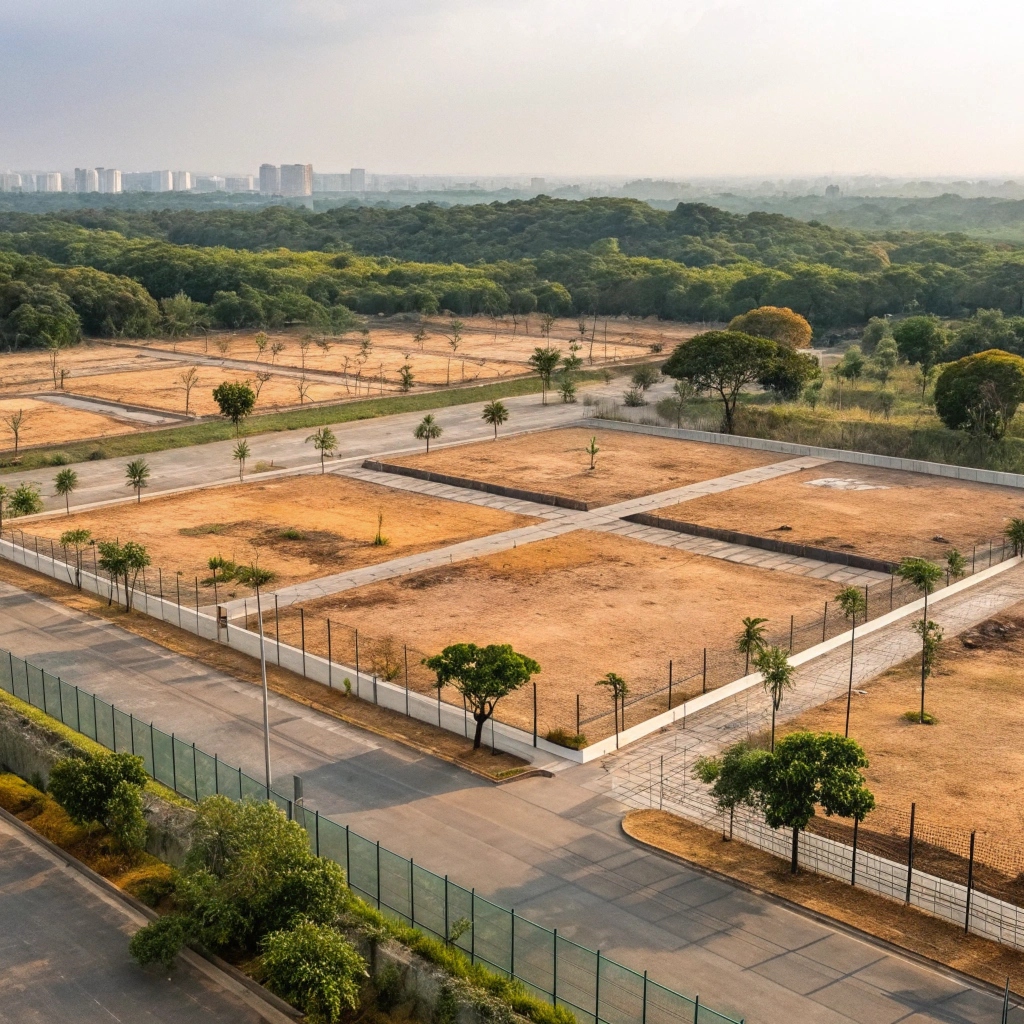
For example, aligning protection schemes with regulatory expectations early in the design avoids costly modifications later. Similarly, site selection must consider clearance requirements, environmental rules, and access for maintenance in accordance with compliance standards.
Designing for Reliability and Operational Security
Reliability is a key objective in both engineering and compliance frameworks. A well-integrated substation design & engineering approach ensures that systems can withstand faults, maintain stability, and recover quickly from disturbances.
Design elements such as redundancy, fault isolation, and backup power systems play a crucial role. Compliance standards often mandate specific reliability criteria, including system availability and contingency planning.
Engineers must incorporate these requirements into protection coordination studies, load flow analysis, and short-circuit calculations. This ensures that the substation not only performs efficiently but also meets regulatory expectations for system resilience.
Incorporating Protection, Control, and Automation
Modern substations rely heavily on advanced protection and automation systems. These technologies enhance performance but also introduce additional compliance requirements.
Protection systems must be carefully designed to detect faults accurately and respond within defined timeframes. Automation systems, including SCADA integration, must comply with cybersecurity and data integrity standards.
Integrating these systems into the design process requires a detailed understanding of both technical and regulatory requirements. Coordination between control engineers and compliance specialists ensures that communication protocols, data logging, and system responses meet industry standards.
This is where collaboration with experienced nerc compliance consultants becomes valuable, as they help align technical configurations with evolving compliance frameworks.
Documentation and Audit Readiness
One of the most overlooked aspects of integration is documentation. Compliance is not just about meeting standards—it is also about proving that those standards have been met.
Every stage of power substation design should be supported by detailed documentation, including design calculations, equipment specifications, testing procedures, and maintenance plans. Proper documentation ensures transparency and simplifies the audit process.
Audit readiness should be built into the project lifecycle. Instead of preparing documents at the last minute, teams should maintain organized records throughout design and construction. This proactive approach reduces stress during inspections and demonstrates a strong commitment to compliance.
Adapting to Evolving Grid Requirements
The energy sector is undergoing significant transformation, driven by renewable integration, smart grid technologies, and digitalization. As a result, compliance requirements are continuously evolving.
Substation designs must be flexible enough to accommodate future changes. This includes planning for additional capacity, integrating renewable sources, and upgrading control systems.
A forward-thinking substation design & engineering strategy considers not only current requirements but also future regulatory trends. This approach ensures long-term viability and reduces the need for major upgrades.
Engineers must stay updated on changes in grid standards and incorporate adaptability into their designs. Continuous learning and collaboration with compliance experts help organizations stay ahead of regulatory shifts.
The Role of Collaboration in Successful Integration
Effective integration is not achieved in isolation. It requires close collaboration between multiple stakeholders, including design engineers, compliance specialists, project managers, and utility operators.
Clear communication ensures that all teams understand both technical and regulatory requirements. Regular reviews and cross-functional meetings help identify potential issues early and keep the project aligned with its objectives.
By fostering a collaborative environment, organizations can achieve a balance between innovation and compliance. This not only improves project outcomes but also builds trust with regulators and stakeholders.
Conclusion
Integrating design and compliance strategies is essential for building reliable, efficient, and future-ready substations. By embedding compliance into every stage of power substation design, organizations can reduce risks, improve performance, and ensure regulatory alignment.
From early planning and system design to documentation and future adaptability, a holistic approach delivers long-term value. With the support of experienced professionals and a commitment to best practices in substation design & engineering, utilities and developers can confidently navigate the complexities of modern grid infrastructure.
Ultimately, successful integration is about more than meeting standards—it is about creating resilient systems that support the evolving demands of the power industry.