

 English





















































































































































































































































































































































































































































































































































































































































































































































































































































































































































































































































































































































































































































































































































































































































































































































Gold Appraiser Training: A Smart Guide for Auction Experts

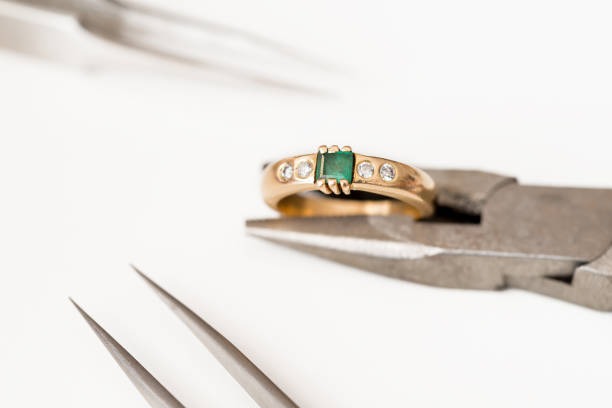
Auction houses and collectors live in a fascinating space where history, craftsmanship, and market demand collide. One day you’re handling a delicate Victorian brooch; the next, a heavy Art Deco bracelet that seems to carry stories from another century.
But here’s the catch: determining the real value of antique gold pieces isn’t always obvious. Age alone doesn’t guarantee value, and shiny doesn’t always mean rare. That’s where gold appraiser training comes into play.
For professionals managing collectible gold objects, appraisal knowledge isn’t just helpful—it’s essential. It sharpens judgment, protects buyers and sellers, and adds credibility to every valuation you present.
Let’s walk through why this training matters, what it involves, and how it strengthens the work of auction specialists and collectors alike.
Why Gold Appraisal Skills Matter in Auctions
Auction professionals handle objects with layered value. A gold ring might carry three different price tags depending on how you look at it:
- Metal value – the weight and purity of the gold
- Craft value – the skill used to create the piece
- Historical or collectible value – the story behind it
Now imagine a 19th-century mourning ring made with 14K gold. Melt value alone might seem modest. But once you recognize the craftsmanship, era, and cultural context, the price shifts dramatically.
That’s the gap gold appraiser training fills.
Without proper evaluation skills, rare pieces can slip through auctions undervalued. And honestly, nothing frustrates collectors more than discovering later that a treasure was misjudged.
Appraisal training ensures professionals can:
- Identify gold purity accurately
- Spot antique craftsmanship
- Recognize hallmarks and maker’s marks
- Estimate collector demand
In short, it turns guesswork into informed judgment.
Gold Value Isn’t Just About Weight
People outside the trade often assume gold appraisal is simple: weigh the item, check the purity, and calculate the price.
If only it were that easy.
Antique and collectible gold pieces carry layers of value beyond metal content. Consider a few factors auction appraisers evaluate:
Historical Period
Jewelry styles change across centuries.
- Georgian pieces often feature hand-cut stones and closed backs
- Victorian jewelry leans toward symbolic motifs
- Art Nouveau favors flowing, nature-inspired shapes
- Art Deco showcases bold geometry
Recognizing these styles helps determine both rarity and demand.
Craftsmanship
Hand-engraving, filigree work, or repoussé metalwork can significantly raise value.
Collectors often pay more for craftsmanship than for gold weight itself.
Provenance
A documented ownership history can transform an item’s worth.
A simple gold locket becomes extraordinary if linked to a known historical figure or event.
That’s why serious gold appraiser training covers far more than basic testing techniques.
The Core Skills You Learn in Gold Appraiser Training
Training programs focus on practical skills professionals can apply immediately. For auction specialists, these abilities quickly become second nature.
1. Gold Purity Testing
Appraisers learn several methods to determine karat value:
- Acid testing
- Electronic gold testers
- Density testing
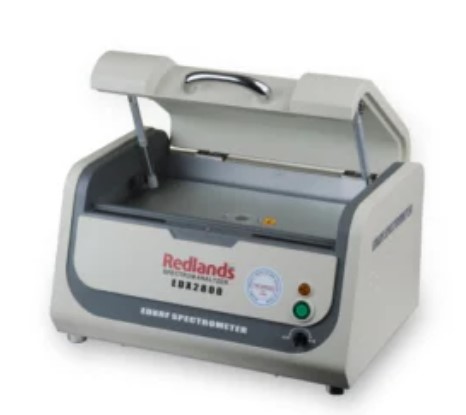
- XRF analysis
Each method has its strengths, and seasoned professionals often use multiple approaches for confirmation.
2. Hallmark Identification
Tiny stamps inside rings or clasps often hold the key to authenticity.
These marks reveal:
- Metal purity
- Country of origin
- Maker or workshop
Learning to read these markings feels a bit like decoding a secret language.
3. Weight and Metal Calculations
Even when historical value matters most, metal content still plays a role.
Appraisers must calculate:
- Pure gold weight
- Current gold market value
- Scrap or melt baseline
This ensures auction estimates start with accurate data.
4. Antique Jewelry Recognition
Training introduces professionals to major jewelry periods, styles, and construction methods.
You begin noticing details most people overlook—hinge styles, solder seams, clasp designs. Small clues, but powerful ones.
Why Auction Houses Benefit the Most
Collectors often rely on the reputation of auction houses. A single misjudged item can damage trust.
That’s why many auction firms encourage staff to pursue gold appraiser training.
Here’s what they gain:
Stronger Buyer Confidence
When collectors know pieces are carefully evaluated, they bid more aggressively.
Confidence drives price.
More Accurate Catalog Descriptions
Catalog listings improve dramatically when appraisers understand the piece fully.
Instead of vague descriptions, you get details like:
“Victorian 15K gold mourning ring with black enamel and hair compartment.”
That level of clarity attracts serious buyers.
Reduced Risk of Mispricing
Undervalued pieces mean lost revenue. Overvalued pieces stall auctions.
Accurate appraisal keeps estimates realistic and appealing.
A Quick Reality Check: Antique Gold Can Be Tricky
Let’s pause for a moment.
Antique gold isn’t always straightforward. Some pieces were repaired over the years. Others combine multiple metals.
You might encounter:
- Gold plating over base metal
- Mixed karat components
- Later stone replacements
- Modified clasps or fittings
Without training, these details slip by unnoticed.
Experienced appraisers, though, spot them almost instantly. Years of study sharpen that instinct.
Tools Every Gold Appraiser Uses
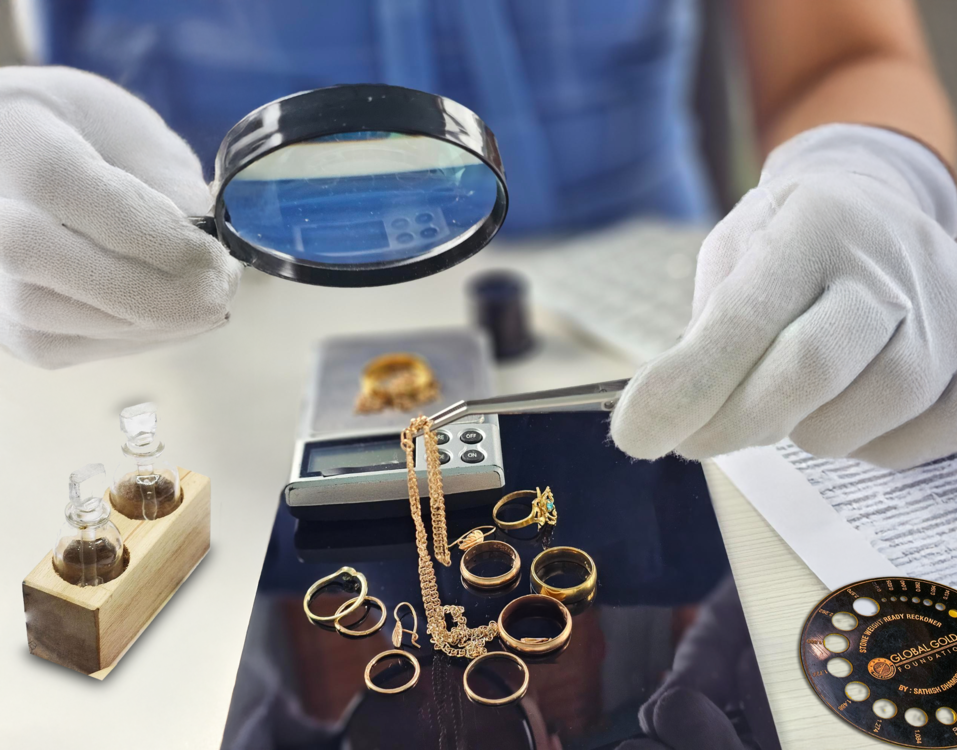
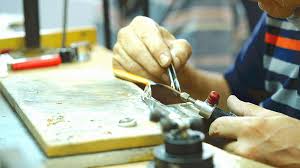
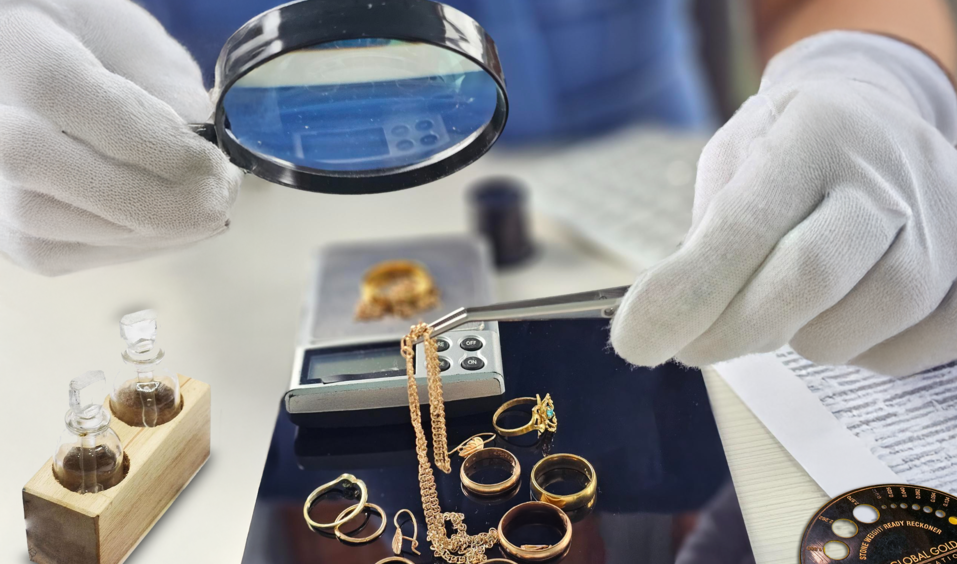
Training also introduces the tools of the trade. Most professionals carry a small kit that travels easily between auction rooms and valuation appointments.
Common tools include:
- Jeweler’s loupe (10x magnification)
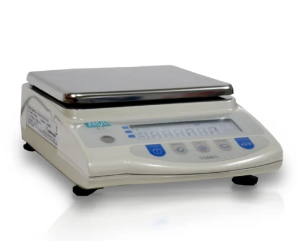
- Digital scale
- Acid testing kit
- Magnet for metal detection
- Calipers for measuring dimensions
Nothing overly complicated, yet each tool reveals important clues.
Sometimes a simple loupe shows file marks that expose a modern reproduction.
And that moment—when a tiny detail changes the whole story—is oddly satisfying.
Market Knowledge Matters Too
Technical skill alone isn’t enough. Appraisers also track trends in the collectible jewelry market.
For example:
- Art Deco gold pieces remain highly popular with collectors.
- Early handmade jewelry often commands higher prices than mass-produced pieces.
- Certain designers or workshops attract devoted collectors.
A trained appraiser blends technical testing with market awareness.
Think of it as combining science with intuition.
The Human Side of Gold Appraisal
It’s easy to think appraisal work is purely analytical.
But spend time around auction rooms and you’ll notice something else—emotion plays a role.
Collectors feel attached to history. Sellers may inherit jewelry with family stories attached.
An appraiser must balance clear analysis with respectful communication.
When explaining a valuation, tone matters. A thoughtful explanation often matters just as much as the number itself.
Training programs frequently include these professional communication skills, because let’s face it—numbers alone rarely tell the full story.
Building Credibility in the Auction Market
For professionals working with collectors, reputation is everything.
When an auction specialist completes gold appraiser training, it sends a clear signal: this person understands the material.
Over time, that expertise becomes visible in subtle ways:
- Better auction estimates
- More accurate descriptions
- Confident responses to collector questions
And those small improvements compound quickly.
A knowledgeable appraiser doesn’t just value objects—they help shape the auction house’s credibility.
Choosing the Right Training Program
Not all courses are equal. Auction professionals usually look for programs that emphasize practical knowledge rather than theory alone.
Good training includes:
- Hands-on testing practice
- Exposure to antique jewelry pieces
- Hallmark identification exercises
- Market valuation examples
Some courses even simulate auction scenarios, where students estimate values and justify their reasoning.
A Skill That Keeps Paying Off
Gold appraisal isn’t something you learn once and forget.
The more pieces you handle, the sharper your judgment becomes.
Professionals who complete gold appraiser training often notice something interesting after a while—they start recognizing value almost instinctively.
A quick glance at a clasp.
A faint hallmark inside a band.
A distinctive engraving style.
Suddenly, what looked like an ordinary piece tells a deeper story.
And that’s really the heart of appraisal work: learning to read those stories hidden in metal.
Frequently Asked Questions
What is gold appraiser training?
Gold appraiser training teaches professionals how to evaluate gold items accurately. It covers purity testing, hallmark identification, antique jewelry styles, market valuation, and appraisal techniques.
Who should take gold appraiser training?
Auction house staff, jewelry professionals, collectors, estate specialists, and antique dealers benefit greatly from this training.
How long does gold appraisal training take?
Training programs vary. Some courses last a few days, while more detailed programs may run several weeks with practical sessions.
Does antique gold require different appraisal skills?
Yes. Antique gold pieces often carry historical, artistic, and collectible value beyond their metal content, which requires specialized knowledge.
Can collectors benefit from gold appraiser training?
Absolutely. Collectors gain a stronger understanding of authenticity, craftsmanship, and market value, helping them make smarter buying decisions.
Final Thoughts: Knowledge Makes Gold Even More Valuable
Handling antique gold is a privilege. Each piece represents craftsmanship, culture, and sometimes personal history.
But recognizing its true worth takes skill.
For auction houses and collectors, gold appraiser training builds that skill step by step—turning uncertainty into confidence and curiosity into expertise.
And once you start seeing gold through an appraiser’s eyes, every piece feels a little more fascinating.
Ready to Strengthen Your Appraisal Expertise?
If your work involves antique or collectible gold, investing in gold appraiser training can elevate the way you evaluate and present valuable pieces.
Develop sharper appraisal skills, gain collector trust, and bring deeper insight to every auction listing.
Explore professional training options today and start seeing gold the way seasoned appraisers do.