

 English































































































































































































































































































































































































































































































































































































































































































































































































































































































































































































































































































































































































































































































































































































































































































































Gum Grafts Explained: Key to Strong and Healthy Gums


Healthy gums are the cornerstone of a beautiful smile and robust oral health. While teeth often receive the most attention in daily oral care routines, the gum tissue supporting them plays an equally vital role. Over time, many individuals experience gum recession, which can expose tooth roots, increase sensitivity, and even lead to more severe dental complications. Fortunately, modern dentistry offers effective solutions, such as gum grafts, to restore and protect gum tissue. Understanding these procedures, their benefits, and how to care for them can empower patients to maintain strong and healthy gums for years to come.
Understanding Gum Recession
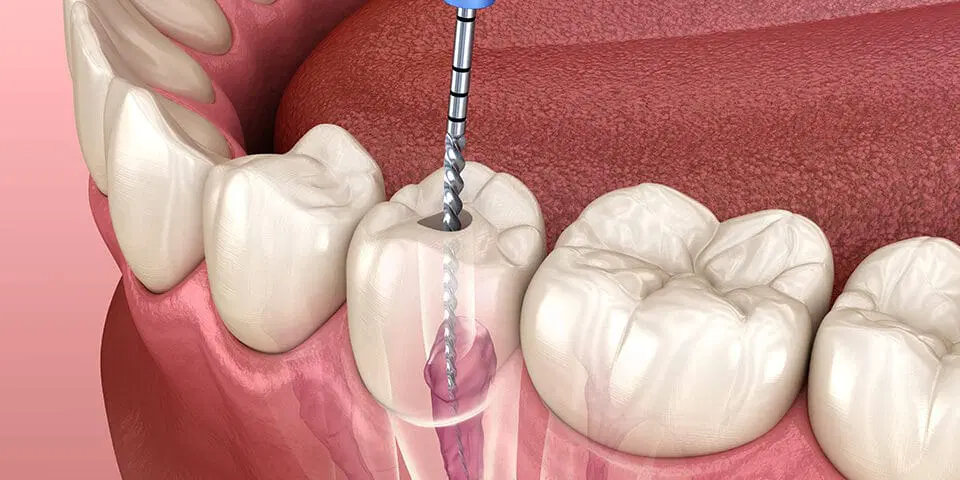
Gum recession occurs when the gum tissue surrounding teeth pulls back or wears away, exposing more of the tooth or its root. This condition can affect one or multiple teeth and is not merely a cosmetic concern. Exposed roots are more vulnerable to decay, erosion, and sensitivity, making timely intervention crucial.
Common causes of gum recession include:
- Ageing and natural tissue thinning
- Periodontal disease and chronic inflammation
- Aggressive or improper brushing techniques
- Genetic predisposition
- Trauma from orthodontic treatment or injury
Consequences of untreated gum recession:
- Increased tooth sensitivity to hot or cold
- Higher risk of root cavities
- Compromised aesthetics of the smile
- Potential for tooth loosening or loss
By recognising the early signs of gum recession, patients can seek preventative or restorative care before severe damage occurs. Dental professionals may recommend gum grafting as an effective treatment for maintaining oral health and preventing further recession.

What Are Gum Grafts?
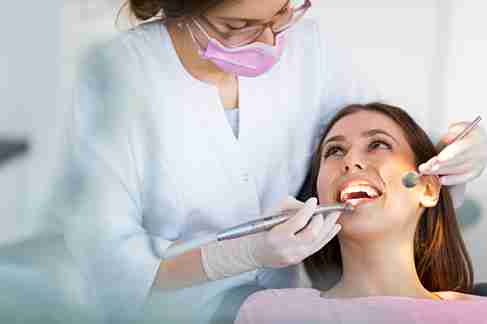
Gum grafting is a surgical procedure designed to restore lost gum tissue, cover exposed roots, and improve the overall strength of the gums. This intervention not only protects teeth from decay and sensitivity but also enhances the aesthetics of a smile.
Types of Gum Grafts
| Type | Tissue Source | Typical Use |
| Connective Tissue Graft | Inner palate | Most common; covers exposed roots |
| Free Gingival Graft | Palate | Increases gum thickness; visible area restoration |
| Pedicle Graft | Nearby gum tissue | Uses adjacent gum; requires sufficient tissue |
Each type of gum graft is selected based on individual needs, oral health status, and the severity of gum recession. Skilled clinicians can determine the most appropriate technique to achieve optimal results.
Benefits of Gum Grafting
Gum grafts offer multiple advantages beyond restoring the gum line. Some key benefits include:
- Protecting tooth roots: Exposed roots are vulnerable to decay, and gum grafts act as a protective barrier.
- Reducing sensitivity: Covering exposed roots helps alleviate discomfort from hot or cold foods.
- Improving aesthetics: A fuller, healthier gum line enhances the overall appearance of the smile.
- Supporting bone health: Healthy gum tissue stabilises underlying bone and supports surrounding teeth.
- Enhancing dental procedures: Gum grafts can improve outcomes for future procedures, including dental implants.
Patients considering gum grafting should discuss their goals and expectations with a qualified dental professional to ensure the procedure aligns with their oral health plan.
The Gum Grafting Procedure
Gum grafting is a precise and carefully planned procedure. While techniques may vary depending on the graft type, the general steps include:
- Local anaesthesia: Ensures patient comfort throughout the procedure.
- Tissue harvesting: Gum tissue is collected from the palate or adjacent areas, depending on the graft type.
- Placement and suturing: The harvested tissue is secured over the exposed roots or thinning gum areas.
- Protective dressing: A dressing may be applied to aid healing and reduce discomfort.
The procedure typically takes 1–2 hours, and patients can return home the same day. In some cases, gum grafts may be combined with other procedures, such as dental implant Leicester, to support overall oral rehabilitation.
Recovery and Aftercare
Proper post operative care is essential for the success of a gum graft. Recovery usually spans 1–2 weeks for soft tissue, with complete integration over several months. Patients may experience mild swelling, tenderness, or minor bleeding during the initial days.
Recommended aftercare includes:
- Soft diet for the first few days
- Gentle oral hygiene practices, avoiding the graft site
- Use of antimicrobial mouth rinses if advised
- Avoiding smoking or alcohol, which can impede healing
- Adhering to follow up appointments for monitoring
Do’s and Don’ts After Gum Grafting:
| Do’s | Don’ts |
| Eat soft, non acidic foods | Brush aggressively near graft site |
| Use prescribed mouthwash | Smoke or consume alcohol |
| Attend all follow ups | Skip medications or instructions |
| Rest and avoid strenuous activity | Touch or disturb graft area |
By following these guidelines, patients can ensure a smooth recovery and maximise the long term benefits of the graft.
Risks and Considerations
While gum grafting is generally safe, patients should be aware of potential risks:
- Temporary bleeding, swelling, or discomfort
- Risk of infection if oral hygiene is not maintained
- Rare graft failure, requiring revision
- Unsuitability for patients with uncontrolled medical conditions or active periodontal disease
A thorough assessment by a dental professional is crucial. Factors such as overall health, oral hygiene habits, and smoking status can influence the outcome and suitability for gum grafting.

Long Term Care and Prevention
Maintaining gum health after a graft is essential for lasting results. Patients should adhere to consistent oral care routines, including:
- Brushing with a soft bristled toothbrush
- Gentle flossing or interdental cleaning
- Routine dental check ups
- Healthy diet and avoidance of tobacco
- Using dentist recommended antimicrobial mouthwash
- Monitoring gums for early changes
Long term care ensures that the graft remains healthy, stabilises surrounding tissues, and continues to protect teeth. For individuals undergoing procedures like gum graft Leicester or implants, maintaining gum integrity is especially critical to support both function and aesthetics.
Conclusion
Gum grafting is a transformative solution for individuals facing gum recession or sensitivity issues. By restoring and strengthening gum tissue, patients can protect their teeth, enhance their smile, and prevent further oral health complications. Understanding the procedure, its benefits, and proper aftercare helps patients approach treatment with confidence.For personalised guidance and professional care, Smilo Dental Implant Leicester provides expert consultation and treatment, ensuring that gum health and overall oral wellness are maintained for years to come.