 English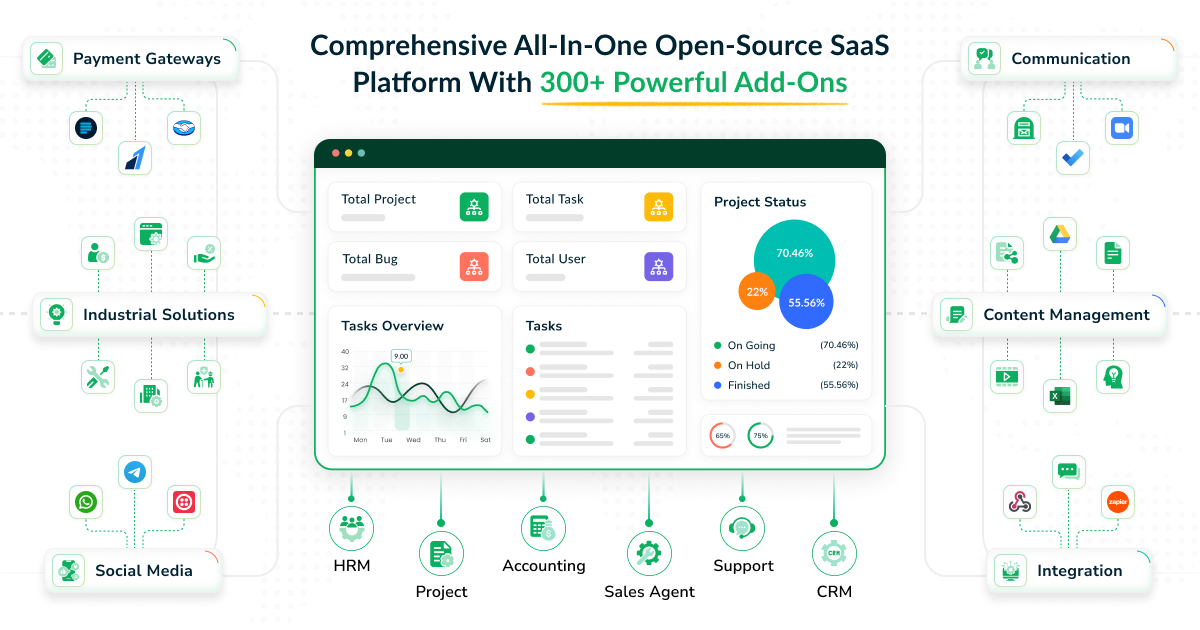
































































































































































































































































































































































































































































































































































































































































































































































































































































































































































































































































































































































































































































































































































Why Disconnected HR Tools Hurt Business Growth | WorkDo

Why Disconnected HR Tools Are Costing You More Than You Think
Most businesses don’t realize how much their HR system is costing them.
Because the cost doesn’t show up as a bill.
It shows up as:
- Delays
- Errors
- Missed opportunities
- Frustrated employees
And the biggest reason behind all of this?
Disconnected HR tools.
Many companies use separate systems for payroll, attendance, hiring, and employee data. On the surface, it feels like everything is “covered.” But in reality, nothing is truly connected.
And that’s where the problem begins.
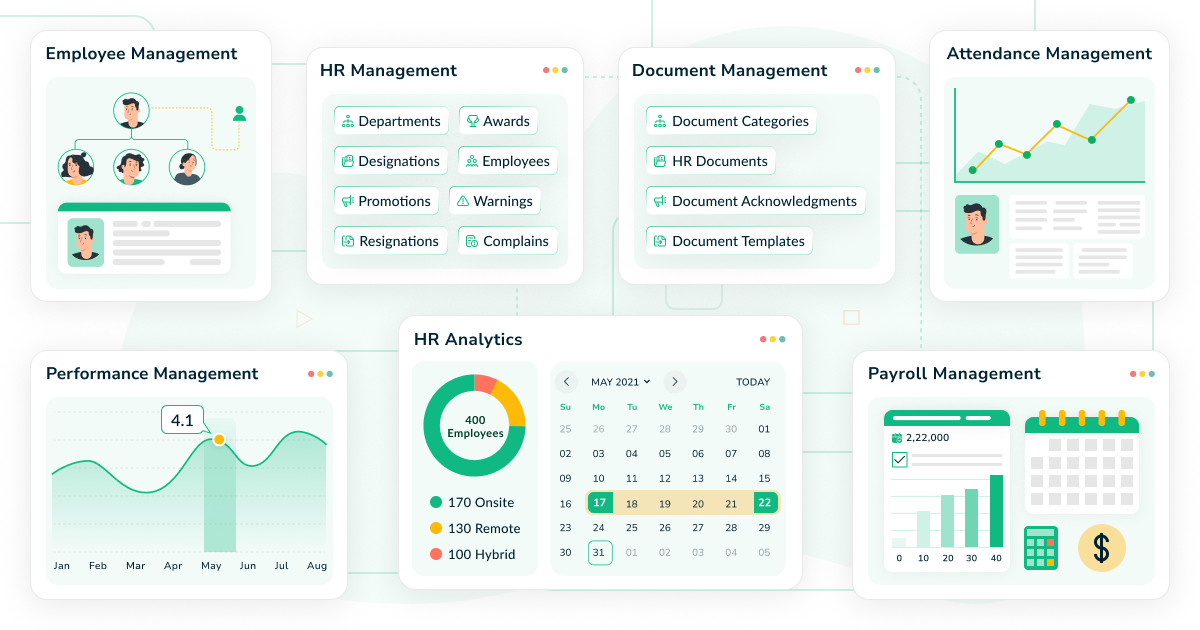
The Hidden Cost of Using Multiple HR Tools
Using different tools for different HR functions may seem efficient at first. But as your business grows, this setup starts creating friction across your operations.
Data has to be:
- Entered multiple times
- Updated in different places
- Verified manually
This not only increases workload but also creates inconsistencies in your data.
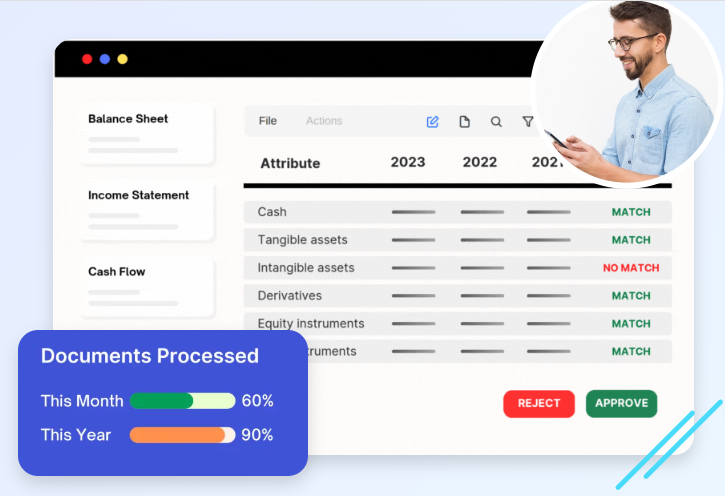
For example, if attendance is tracked in one tool and payroll is processed in another, HR teams have to manually sync the data every month. Even a small mismatch can lead to salary errors, which then require additional time to fix.
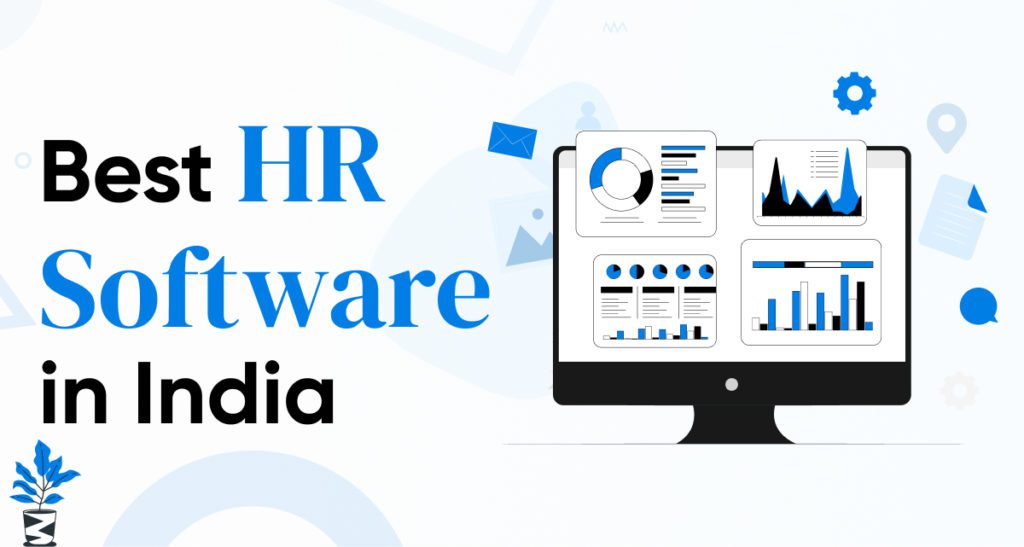
This is why businesses are moving toward a all-in-one HR platform that eliminates the need for multiple disconnected systems.
Data Duplication Is Slowing Your Team Down
One of the biggest inefficiencies in disconnected systems is data duplication. Employee information is often stored in multiple places—spreadsheets, HR tools, payroll systems, and document folders.
Every time there is an update, HR teams need to make changes across all these platforms.
This leads to:
- Outdated records
- Increased chances of errors
- Time wasted on repetitive work
A centralized employee record management system ensures that data is updated once and reflected everywhere, improving both accuracy and efficiency.
Payroll Depends on Everything—But Nothing Is Connected
Payroll is one of the most critical HR functions, yet it is often dependent on multiple disconnected inputs.
Attendance, leave, overtime, and employee data all need to align perfectly for accurate salary processing. When these elements are managed separately, HR teams are forced to manually combine them.
This increases:
- Processing time
- Error rates
- Stress during payroll cycles
Using a salary management software that integrates with other HR functions ensures that payroll becomes smooth, accurate, and predictable.
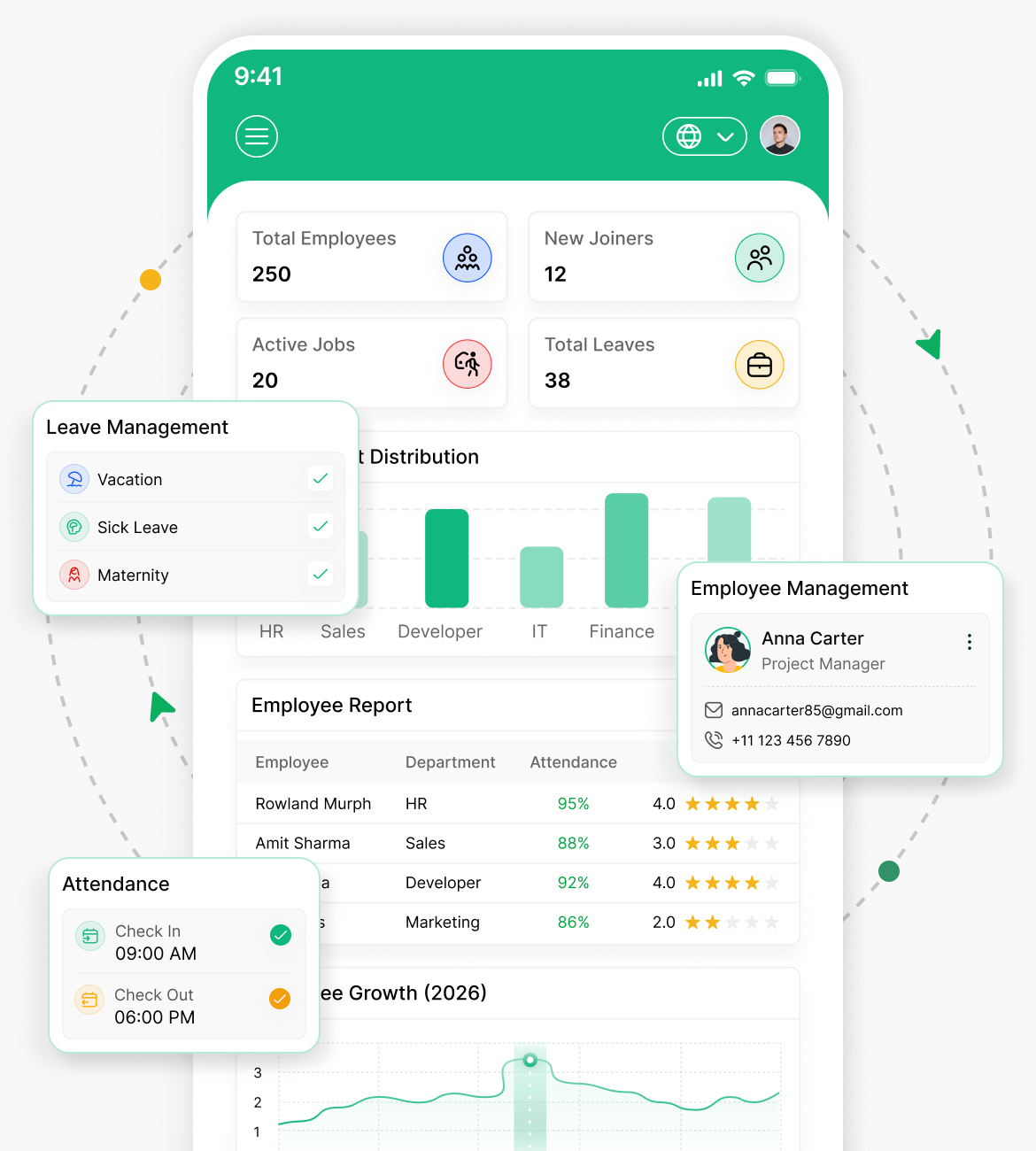
Attendance and Leave Systems Need to Work Together
Attendance and leave are closely connected, but in many businesses, they are managed separately. This creates confusion when calculating working days, absences, and paid leaves.
For example, if leave approvals are not updated in the attendance system, it can lead to incorrect salary deductions.
An integrated time and attendance system combined with a leave tracking solution ensures that all records stay aligned automatically.
Hiring Becomes Slower Without a Unified System
Recruitment is another area where disconnected tools create inefficiencies. Resumes are stored in emails, interview feedback is shared in documents, and candidate status is tracked manually.
This lack of structure leads to:
- Delayed hiring decisions
- Poor candidate experience
- Missed opportunities
A connected hiring management system along with an applicant tracking platform allows HR teams to manage the entire recruitment process in one place, improving speed and accuracy.
Documents and Contracts Are Hard to Track
Managing employee documents across multiple storage systems makes it difficult to find and update important files when needed.
HR teams often spend valuable time searching for:
- Offer letters
- Contracts
- Policy documents
This not only reduces efficiency but also creates compliance risks.
A structured digital document system along with a contract management tool ensures that all documents are stored securely and can be accessed instantly.
Lack of Insights Is Affecting Decision-Making
When HR data is spread across multiple systems, it becomes difficult to generate meaningful insights.
Leaders often struggle to answer questions like:
- What is our attrition rate?
- Which teams have the highest absenteeism?
- How is employee performance trending?
Without clear insights, decision-making becomes reactive instead of strategic.
Using HR analytics solutions and HR reporting tools helps businesses turn scattered data into actionable insights.
Employee Experience Suffers Without Integration
Disconnected systems don’t just affect HR—they affect employees too.
Employees often have to:
- Contact HR for simple requests
- Wait for updates
- Deal with inconsistent information
This creates frustration and reduces overall satisfaction.
A unified employee self-service system allows employees to access their information instantly, improving their overall experience.
Performance and Engagement Take a Back Seat
When HR teams are busy managing multiple systems, they often don’t have time to focus on employee growth and engagement.
Performance reviews become irregular. Feedback gets delayed. Engagement initiatives are overlooked.
A connected performance tracking platform and employee engagement solution help businesses stay focused on employee development while maintaining operational efficiency.
Asset and Workforce Management Need Better Coordination
As organizations grow, managing both employees and company assets becomes more complex. Without proper systems, tracking asset allocation and workforce productivity becomes difficult.
A structured asset tracking system combined with a workforce optimization solution ensures better control over resources and improves operational efficiency.
Why Smart Businesses Are Choosing Integrated HR Systems
The shift from disconnected tools to integrated systems is not just a trend—it’s a necessity.
Businesses that adopt connected HR platforms experience:
- Reduced manual work
- Fewer errors
- Faster processes
- Better visibility
Most importantly, they create a more efficient and scalable HR environment.
How WorkDo Solves This Problem
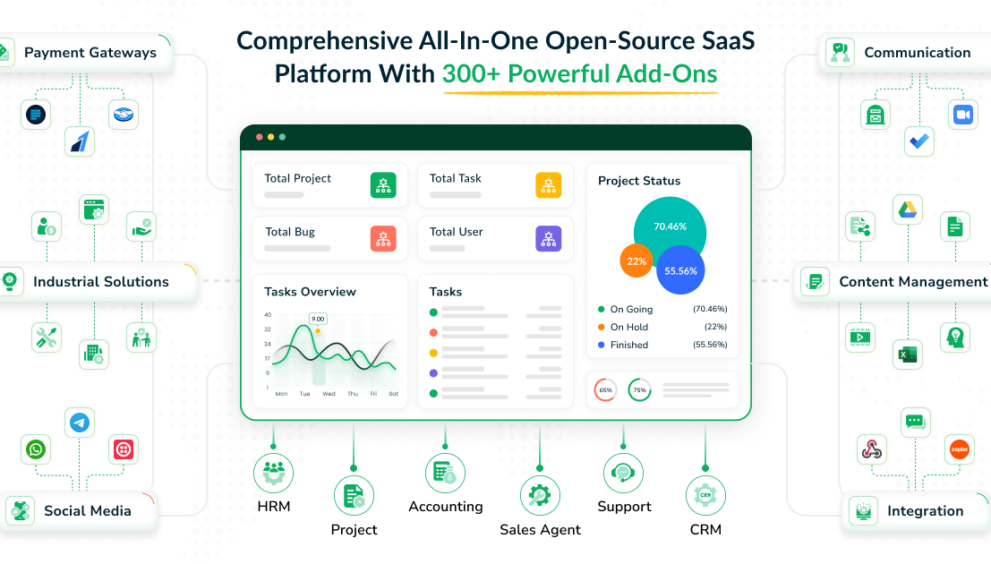
This is exactly the problem WorkDo is designed to solve.
Instead of using multiple tools for different HR functions, WorkDo brings everything together into one unified platform.
From recruitment and onboarding to payroll, performance, and compliance, every module is connected and works seamlessly with others.
This means:
- No data duplication
- No manual syncing
- No disconnected workflows
Just a smooth, efficient HR system that supports business growth.
Final Thoughts
Disconnected HR tools may seem manageable in the beginning.
But as your business grows, they become a barrier.
They slow down processes, increase errors, and create unnecessary complexity.
The solution is not to add more tools.
It’s to connect everything.
Because when your HR system works as one…
your business moves faster.
thank you: https://onlinetechlearner.com/