

 English

























































































































































































































































































































































































































































































































































































































































































































































































































































































































































































































































































































































































































































































































































































































































































































How Artificial Intelligence is Changing Orthopaedic Surgery Plan


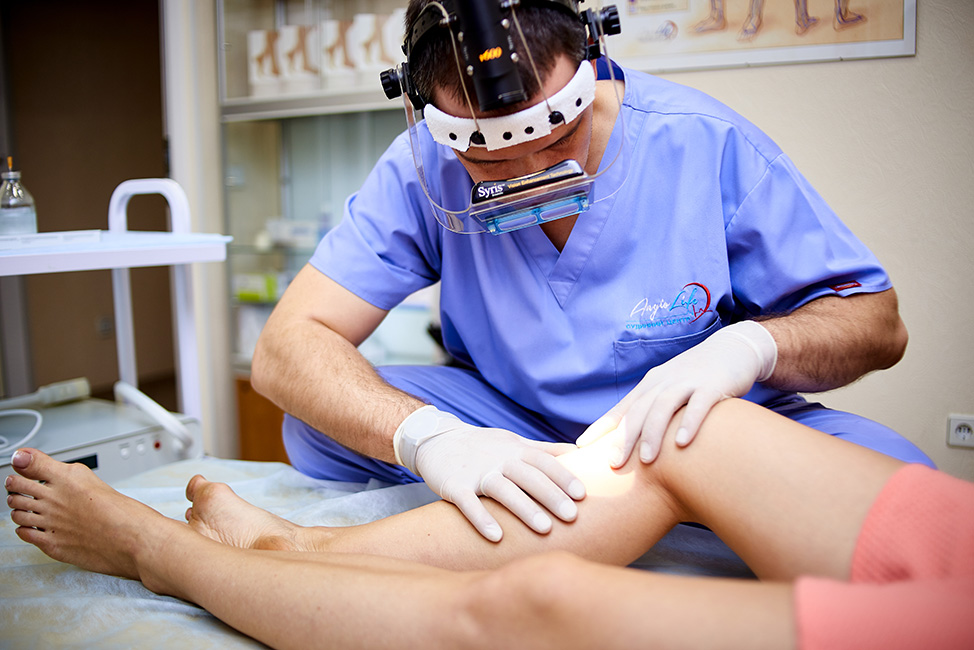
Imagine a patient walking into a clinic with mild knee stiffness, assuming it’s nothing serious. But a closer look through advanced digital scanning reveals tiny alignment issues that a simple X-ray might easily miss. These early insights allow surgeons to plan treatment with greater clarity and confidence. This blog explains how modern technology is transforming orthopaedic surgery planning, making diagnosis sharper, surgical steps more accurate, and patient care far more personalized. You’ll understand how these innovations are reshaping the entire journey from assessment to recovery.
Why Traditional Orthopaedic Planning Often Falls Short
Traditional orthopaedic planning relies on manual measurements and basic 2D scans, which often miss subtle but important joint differences. This makes it difficult for even the best orthopaedic in Ahmedabad to achieve the high level of precision and personalized accuracy patients need today.
- Why Manual Measurements Can Be Inaccurate: Traditional planning depends on hand-taken angles and bone measurements, which can differ slightly each time. Even expert surgeons face natural limits when relying only on manual readings.
- Small Bone Differences That Humans May Miss: Every person’s knee and hip structure is unique. Tiny issues like slight rotation changes or early cartilage thinning might not be easily visible—but they can affect long-term implant stability.
- How AI Removes Guesswork in Planning: AI studies your joint scans with millimeter accuracy and gives exact angles and alignment data. This helps surgeons plan with more confidence and ensures a more precise, personalized surgery.

AI Makes Knee and Joint Checks More Reliable
1. Early Problem Detection
Digital scanning highlights ligament tears, early arthritis, swelling patterns, and cartilage thinning long before they show up clearly on a routine X-ray. This helps patients get the right treatment without letting the problem silently worsen.
2. Clear Severity Mapping
AI systems show color-coded visuals of how much cartilage is damaged, how severe the arthritis is, and which part of the knee is under maximum strain. This makes it easier for patients to understand their condition without medical confusion.
3. Future Knee Prediction
These systems analyse movement patterns, weight load, and joint alignment to forecast how quickly the knee might deteriorate. This lets the best doctor for knee replacement surgery plan preventive treatment, delay surgery when possible, or choose the right time for intervention.
3D AI Technology Helps Doctors Prepare Better for Surgery
1. 3D Models That Improve Understanding
CT and MRI scans are transformed into accurate 3D models of the patient’s joint. These models can be rotated, zoomed in, and examined from all angles. This gives surgeons a clear view of bone shape, joint alignment, and hidden problem areas that are not always visible on regular scans.
2. Virtual Surgical Rehearsal Before Entering the OT
AI tools allow surgeons to practice the surgery virtually. They can pre-plan every step—bone cuts, implant sizing, positioning, and ligament balancing. By rehearsing the entire operation beforehand, the surgeon enters the OT with a precise game plan, lowering the chances of unexpected challenges.
3. How AI Planning Compares to Traditional Methods
| Factor | Traditional Method | AI-Based Planning |
| Measurement Accuracy | Manual may vary | millimeter precision |
| Visual Understanding | 2D X-rays | 3D patient-specific models |
| Surgery Rehearsal | Not possible | Full virtual simulation |
| Predicting Future Issues | Limited | Strong predictive insights |
| Implant Fit | Standard sizing | Customized for each patient |
4. Key Benefits for Patients
Simulation-based planning makes surgery safer and more predictable. It reduces complications, improves implant placement, and gives patients better long-term comfort and stability.
Predictive Analytics for Better Knee Replacement Outcomes
Predictive analytics is transforming knee replacement by using data and AI to foresee risks and improve planning. It helps doctors choose the right implant, predict recovery, and avoid complications. With smarter insights, patients get safer surgery and better long-term knee outcomes.
- Early Detection of Surgery Risks: AI studies your X-rays, movement patterns, and health history to identify risks early. This helps surgeons plan safer and more predictable knee replacement outcomes.
- Personalized Implant Selection: Predictive tools match implants to your bone structure and lifestyle needs. This ensures better comfort, stability, and long-term performance.
- Ultra-Precise Surgical Planning: 3D knee mapping powered by analytics improves alignment accuracy during surgery. Better alignment means smoother movement and longer implant life.
- Faster & Personalized Recovery Path: AI predicts how quickly you will recover based on your health profile. Physiotherapy plans are customized to help you regain mobility faster.
- Lower Revision Surgery Chances: Predictive models analyse lakhs of past surgeries to highlight factors that may cause implant failure. Surgeons can correct these issues before operating.
How Robotic Surgery Gives Better Results with AI
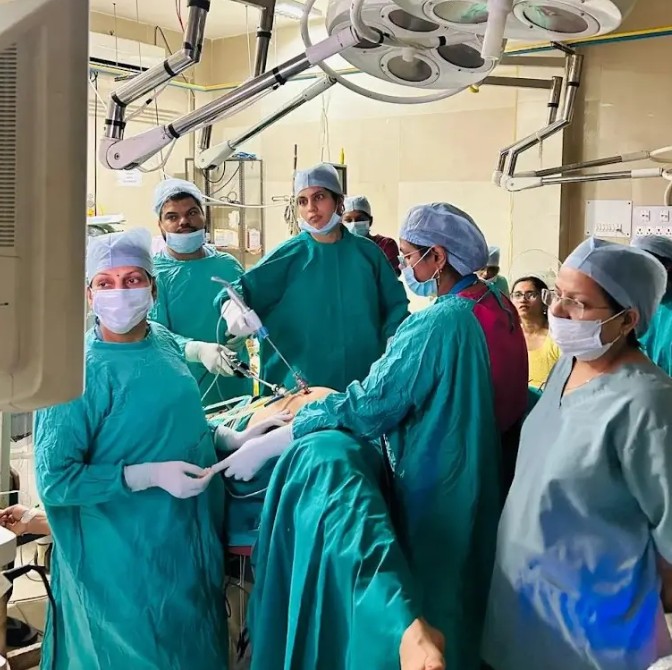
Robotic systems work by following a digital surgical plan created in advance. Every cut, angle, and movement is guided with millimeter accuracy. This removes the small variations that can occur with manual techniques and ensures the joint is aligned precisely as intended. Because the robotic arm executes the plan exactly, surgeons get consistent, predictable results during knee and joint surgeries.
This precision directly benefits patients. The controlled movements reduce unnecessary tissue strain, leading to better stability, less pain, and a faster recovery period. This is why many people prefer hospitals known as the best orthopaedic as robotic-assisted procedures offer lower risks and improved long-term implant performance.

How AI Helps Surgeons Communicate Better with Patients
AI tools make conversations between doctors and patients far easier and more transparent. Visual simulations show how the joint currently looks and how it may improve after treatment or surgery. Instead of relying only on medical terms, patients can actually see alignment corrections, implant positioning, or changes in joint movement. This removes confusion and helps them feel more confident about what is happening inside their body.
These clear visuals also build stronger trust. When a patient meets the best doctor for knee replacement surgery in Ahmedabad with AI helps explain treatment plans step by step—whether it’s surgery, physiotherapy, or long-term care. With a clearer picture of the expected outcome, patients make decisions with more clarity and feel supported throughout their treatment journey.
How AI Will Change Orthopaedic Care in India
AI is transforming orthopaedic care in India by detecting joint problems earlier and making treatments far more precise.
- Predicting Future Knee Issues Early: AI-powered digital assessments can spot early signs of joint degeneration long before symptoms become severe. This helps identify individuals who may require knee replacement in the coming years, allowing timely lifestyle changes and preventive care.
- Virtual Second Opinions & Guided Physiotherapy: Patients can now access AI-driven second opinions and personalized physiotherapy programs from home. These digital tools offer condition-specific guidance, track progress, and help patients stay consistent with their recovery routines.
- Ahmedabad Emerging as a Key Orthopaedic Tech Hub: Ahmedabad is rapidly adopting advanced AI systems, robotic surgery platforms, and precision-based planning tools. This evolution is improving joint care outcomes, enhancing surgical accuracy, and making modern orthopaedic treatments more accessible in the region.
Conclusion
This approach is shaping a new standard for surgical safety, precision, and confidence. With stronger planning, clearer visuals, and better predictions, patients receive care that feels more accurate and personalized. Whether it’s knee, hip, or shoulder surgery, the entire journey becomes smoother and more reassuring. As more hospitals adopt this method, individuals can expect better comfort and long-term outcomes. If you are considering joint treatment, Dr. Meet Mehta and his team continue to bring this dependable planning style to patients every day.

