

 English
































































































































































































































































































































































































































































































































































































































































































































































































































































































































































































































































































































































































































































































































































































































































































































Could Classroom Amplification Systems Boost Student Focus?

Step into a typical classroom and listen carefully. Chairs move, projectors hum, students whisper, and hallway activity filters through the door. Even a confident teacher must raise their voice to compete with that background noise. Over time, students sitting farther away miss key words and lose focus.
Classroom audio technology addresses this challenge through controlled voice amplification. A classroom amplification system projects the teacher’s voice evenly across the entire room. Students hear instructions clearly without strain. The teacher speaks at a normal volume while the system carries the message across every desk.
Many schools now evaluate audio solutions before redesigning learning spaces. Educators who plan to Buy classroom amplification system for teachers often do so after recognizing how strongly sound clarity influences student engagement.
The Link Between Sound Clarity and Student Focus
Learning relies on communication. If students struggle to hear the teacher, attention drops quickly. Even a brief moment of missed instruction can disrupt the learning flow.
Several factors explain this improvement.
- Students hear instructions clearly regardless of seating position
- Teachers maintain a steady voice without vocal fatigue
- Classroom noise becomes less distracting
- Students follow lessons with greater consistency
The result is a calmer learning environment where communication stays clear and predictable.
How Classroom Amplification Systems Work?
A classroom amplification system uses simple but effective technology. The teacher speaks into a lightweight wireless microphone. The signal travels to an amplifier installed in the room. Speakers are placed strategically around the classroom then the audio is distributed evenly.
This setup keeps the teacher’s voice clear and balanced. Students sitting near the front and those sitting near the back hear the same sound level.
Modern classroom systems often include the following components:
- Wireless teacher microphone or headset
- Compact classroom amplifier
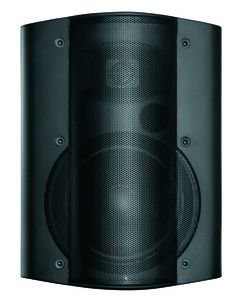
- Distributed wall or ceiling speakers
- Optional audio input for multimedia content
- Simple volume and channel control panel
Schools looking to Buy classroom amplification system for teachers often prefer systems designed specifically for education settings. These systems integrate with projectors, computers, and interactive boards used during lessons.
Classroom Audio Systems Support Different Learning Styles
Every classroom contains students with varied listening needs. Some students focus easily. Others need stronger audio signals to follow verbal instructions.
Teachers report additional advantages when using amplification systems.
- Fewer requests for repeated instructions
- Improved student attention during lectures
- Smoother transitions between activities
- Stronger classroom discussion participation
These improvements occur because every student receives the same clear message.
Product Design Features That Improve Classroom Audio
Classroom audio equipment must remain reliable, simple to operate, and adaptable to different teaching styles. Many professional classroom systems incorporate technical features that support daily classroom use.
Common system characteristics include:
- Compact wall-mounted or ceiling-mounted speakers designed for speech clarity
- Balanced frequency response optimized for voice reproduction
- Wireless microphones with rechargeable battery systems
- Multiple audio inputs for computers, tablets, or multimedia players
- Amplifier controls designed for quick classroom adjustments
These systems allow teachers to shift easily between lectures, discussions, and multimedia instruction. The amplification system maintains consistent sound quality across every activity.
Why Schools Invest in Classroom Audio Systems?
Educational environments demand reliable communication tools. Clear instruction improves learning outcomes and reduce classroom disruption.
School administrators often consider several factors before selecting classroom audio technology.
- Classroom size and layout
- Background noise levels
- Number of students per room
- Compatibility with existing educational technology
- Ease of teacher training and daily operation
Districts evaluating classroom technology upgrades frequently include amplification systems as part of broader classroom modernization programs. Many educators who plan to Buy classroom amplification system for teachers do so after observing improvements in student focus during pilot installations.
Practical Tips for Choosing the Right Classroom Amplification System
Selecting the right classroom audio system requires careful planning. School technology teams often evaluate both technical specifications and classroom usability.
Important considerations include:
- Speaker placement that ensures balanced sound coverage
- Wireless microphone range within the classroom
- Compatibility with projectors and multimedia devices
- Durable hardware designed for daily classroom use
- Simple teacher controls that require minimal training
A properly configured system should operate quietly and consistently in the background. Teachers should focus on teaching while the system ensures that every student hears clearly.
Conclusion
Learning improves when students hear every word clearly. Classroom amplification systems support this goal through simple and reliable technology. The teacher speaks naturally into a wireless microphone. Speakers distribute the voice evenly throughout the room. Students remain attentive because instructions stay clear and consistent.