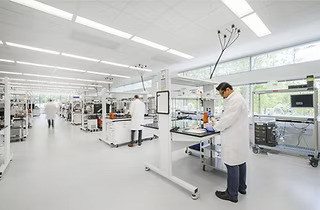
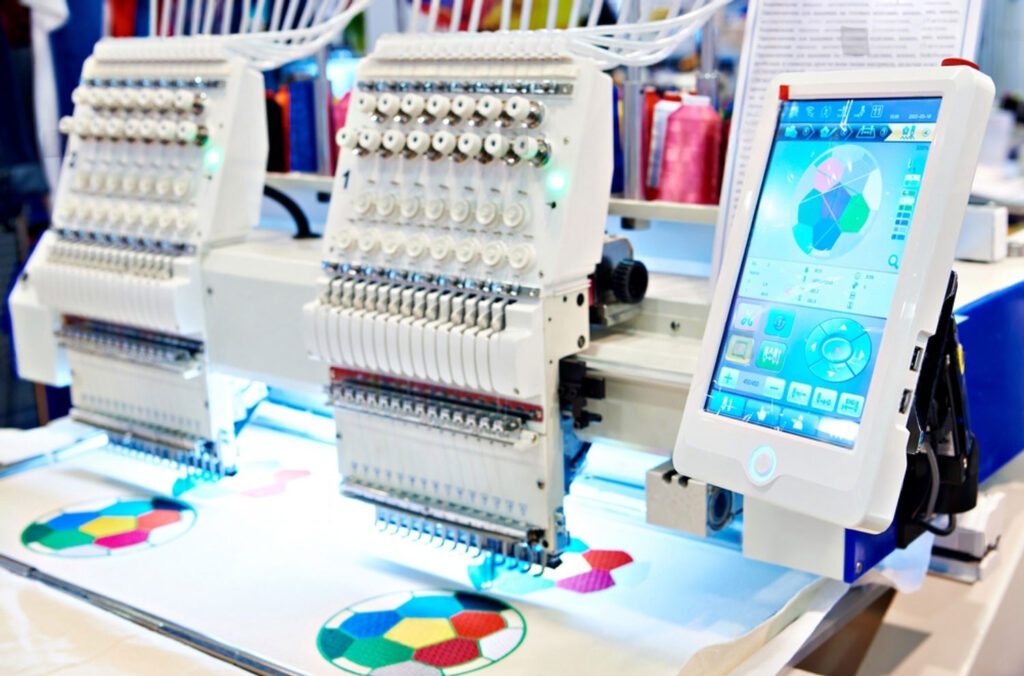
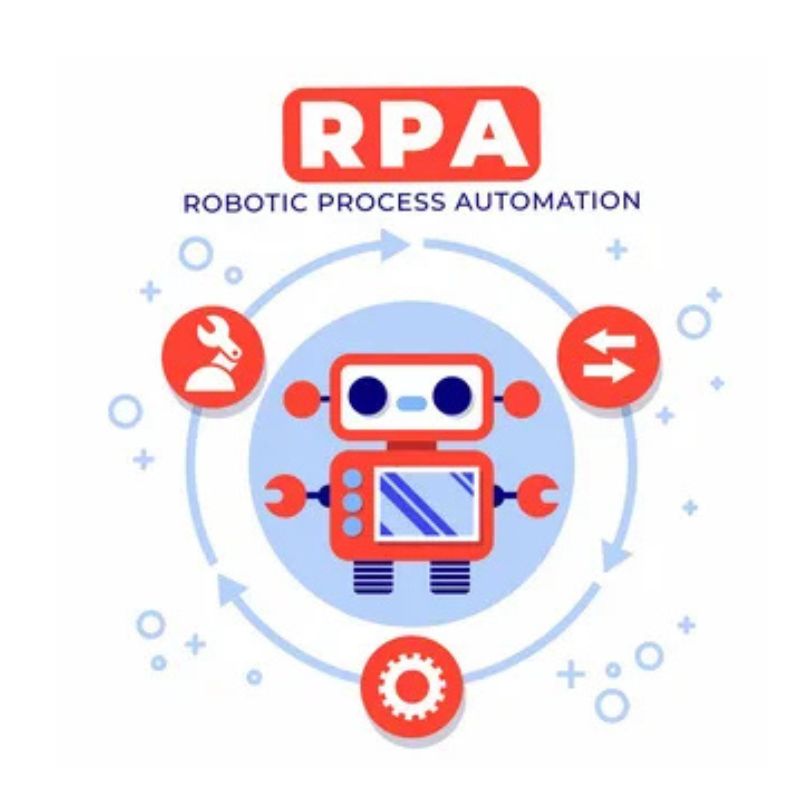
Industrial automation has become the backbone of today’s manufacturing and production industries. As companies seek faster output, greater precision, and more efficient operations, automation products continue to play a central role. From advanced sensors and motion systems to robotics and control platforms, these technologies enable businesses to streamline workflows, reduce human error, and maintain consistent quality. In an increasingly competitive world, investing in industrial automation products is no longer optional—it’s essential for long-term growth and sustainability. Companies like iBuzoo support this transition by offering the tools and expertise needed to optimize industrial processes.
Why Industrial Automation Matters
Automation isn’t just about machines replacing manual labor; it’s about enhancing human capability. Industrial automation products improve speed, accuracy, and safety—three pillars of successful modern manufacturing. They allow engineers and operators to focus on higher-level tasks while machines handle repetitive, hazardous, or complex operations with consistent reliability.
Moreover, global demand for high-quality goods delivered at rapid speed continues to rise. Automation helps manufacturers meet this demand without sacrificing quality or increasing production costs. With the right automation tools in place, companies can scale their output, modernize facilities, and stay ahead of evolving industry standards.
Key Categories of Industrial Automation Products
Industrial automation products span a wide range of technologies. Each category plays a specific role in optimizing production efficiency, enhancing safety, and boosting overall equipment performance.
1. Sensors and Detection Devices
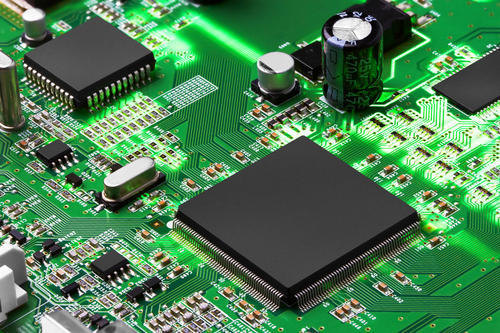
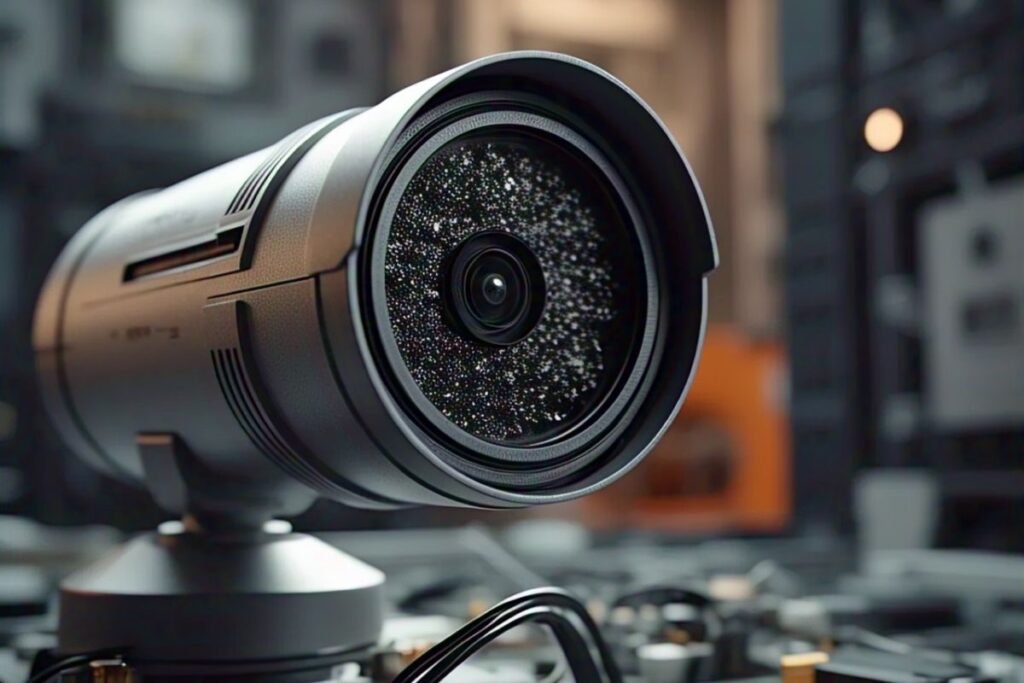
Sensors form the foundation of any automated system. They provide real-time data and feedback necessary for machines to make decisions and react instantly. Common types of sensors include:
-
Proximity sensors for detecting object presence
-
Temperature sensors for monitoring thermal conditions
-
Pressure and flow sensors for process control
-
Photoelectric sensors for precise detection in high-speed applications
Accurate sensors ensure that automated equipment works with exact precision, reducing errors and preventing costly downtime.
2. Controllers and PLCs
Programmable Logic Controllers (PLCs) act as the “brain” of automated systems. These devices receive data from sensors, execute programmed logic, and send instructions to actuators or machinery. PLCs are widely valued for their reliability, ruggedness, and ability to operate in demanding environments.
Modern controllers also integrate with advanced software, enabling:
-
Remote monitoring
-
Real-time system adjustments
-
Predictive maintenance insights
-
Seamless communication across devices
With PLCs at the center, entire manufacturing lines can operate with efficiency and flexibility.
3. Motion Control and Actuators
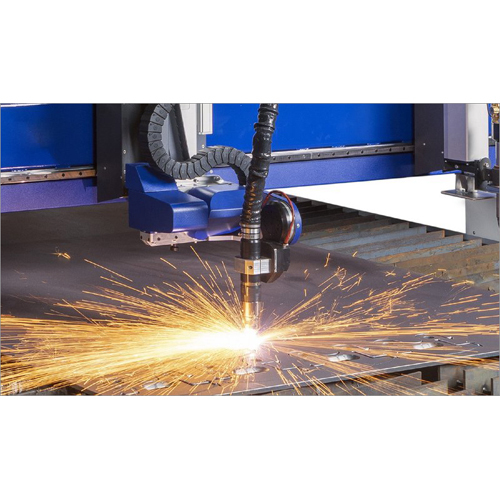
Motion control products—such as servo motors, stepper motors, and drives—enable machinery to move with precision. These components are crucial for robotic arms, CNC machines, conveyors, and packaging equipment.
High-performance motion systems ensure:
When combined with advanced control units, motion products enable a level of precision impossible to achieve manually.
4. Robotics and Automation Systems
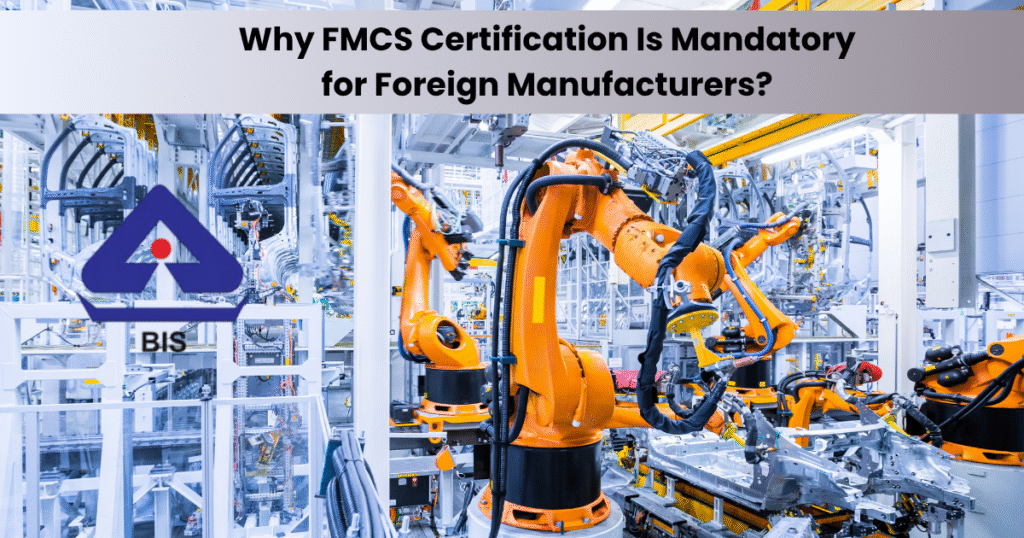
Robotics has revolutionized manufacturing across industries. Industrial robots perform tasks such as assembly, welding, material handling, and inspection with unmatched speed and accuracy.
Benefits include:
-
Consistent product quality
-
Reduced labor costs
-
Enhanced workplace safety
-
24/7 production capability
Collaborative robots (cobots) further extend automation possibilities by working safely alongside human operators, supporting tasks that require both human judgment and robotic efficiency.
5. Drives, Inverters, and Power Systems
Variable frequency drives (VFDs) and inverters regulate motor speed and torque, leading to:
-
Improved energy efficiency
-
Reduced mechanical stress
-
Enhanced system performance
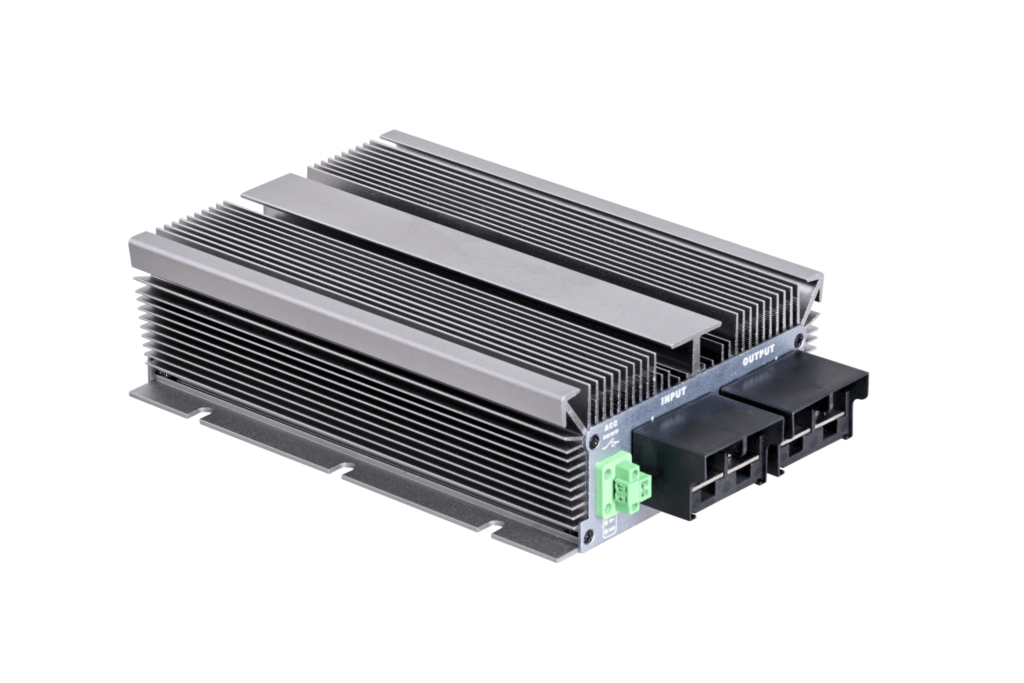
These components are essential in applications like HVAC, pumps, conveyors, and machine tools. By optimizing power usage, they help businesses lower operational costs and extend equipment lifespan.
6. Industrial Networking and Communication
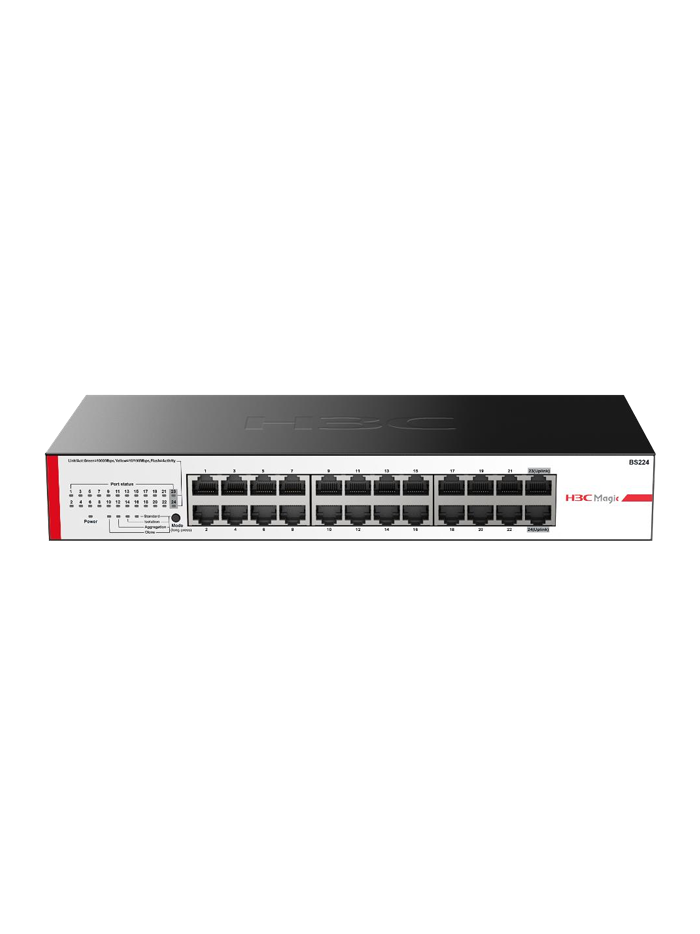
The rise of Industry 4.0 has increased the importance of communication systems within manufacturing environments. Industrial networking products—such as gateways, switches, and communication modules—connect devices and ensure seamless data flow across the entire production line.
This connectivity enables:
With reliable networking, companies can integrate all equipment into one cohesive system.
7. Safety Automation Products
Safety is a critical component of automation. Specialized products like safety relays, light curtains, emergency stop devices, and safety controllers protect workers and ensure machinery operates within safe parameters.
These systems:
Integrating safety automation helps businesses create secure and efficient work environments.
How Industrial Automation Boosts Productivity
Industrial automation products significantly improve productivity through:
Higher Operational Speed
Machines can perform repetitive tasks much faster than human operators. Automated systems reduce cycle times and enable high-volume production.
Improved Accuracy and Quality
Automation eliminates human error, resulting in consistent product quality. Even complex machining or assembly tasks can be executed with extreme precision.
Reduced Downtime
Sensors, controllers, and predictive maintenance tools help detect problems early. This reduces unexpected downtime and keeps production running smoothly.
Cost Efficiency
Although initial investment may be high, automation reduces long-term labor costs, waste, rework, and energy consumption. Over time, operational savings offset the upfront expense.
Better Workplace Safety
Automation removes workers from hazardous tasks, reducing accidents and injuries. This leads to a safer environment and fewer operational disruptions.
Industries That Benefit from Automation
Industrial automation products serve a variety of sectors, including:
Each industry relies on automation to enhance efficiency, maintain compliance, and ensure product consistency.
The Future of Industrial Automation
As technology evolves, the future of automation promises even more intelligent and connected systems. Key trends include:
-
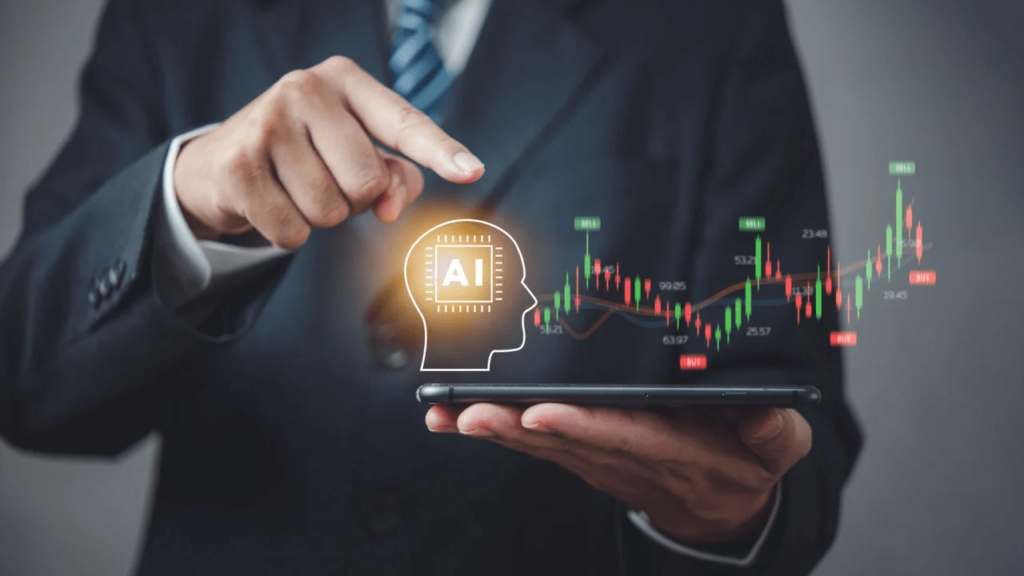
AI-driven decision-making
-
Smart manufacturing based on IoT
-
Digital twins for virtual testing
-
Energy-efficient automation solutions
-
More advanced collaborative robots
These advancements will make automated systems even more powerful, adaptive, and cost-effective for businesses of all sizes.
Final Thoughts
Industrial automation products have become essential for any business aiming to improve performance and stay competitive. From sensors and controllers to robotics and power systems, these tools transform production environments into streamlined, efficient, and intelligent operations. As industries continue to embrace automation, companies that invest in advanced technologies today will be better positioned for the demands of tomorrow.
With the right automation solutions, businesses can enhance speed, precision, safety, and overall productivity—unlocking new levels of growth and innovation.
 English