

 English






























































































































































































































































































































































































































































































































































































































































































































































































































































































































































































































































































































































































































































































































































































































































































Role of Offshore Software Development in Digital Transformation


Digital transformation has become a strategic priority for organizations across industries. From modernizing legacy systems to building cloud-native platforms and data-driven applications, companies are under constant pressure to innovate faster while managing costs and talent constraints. In this environment, offshore software development plays a critical role in enabling scalable, efficient digital transformation initiatives.
Rather than being just a cost-saving option, offshore development has evolved into a strategic enabler that helps businesses accelerate innovation, access global expertise, and execute complex digital programs successfully.
Understanding Digital Transformation Today
Digital transformation involves integrating digital technologies across business operations to improve efficiency, customer experience, and agility. Common initiatives include:
- Cloud migration and modernization
- Data analytics and AI adoption
- Automation of business processes
- Development of customer-facing digital platforms
These initiatives require specialized skills, continuous development, and significant investment—often straining internal resources.
What Is Offshore Software Development?
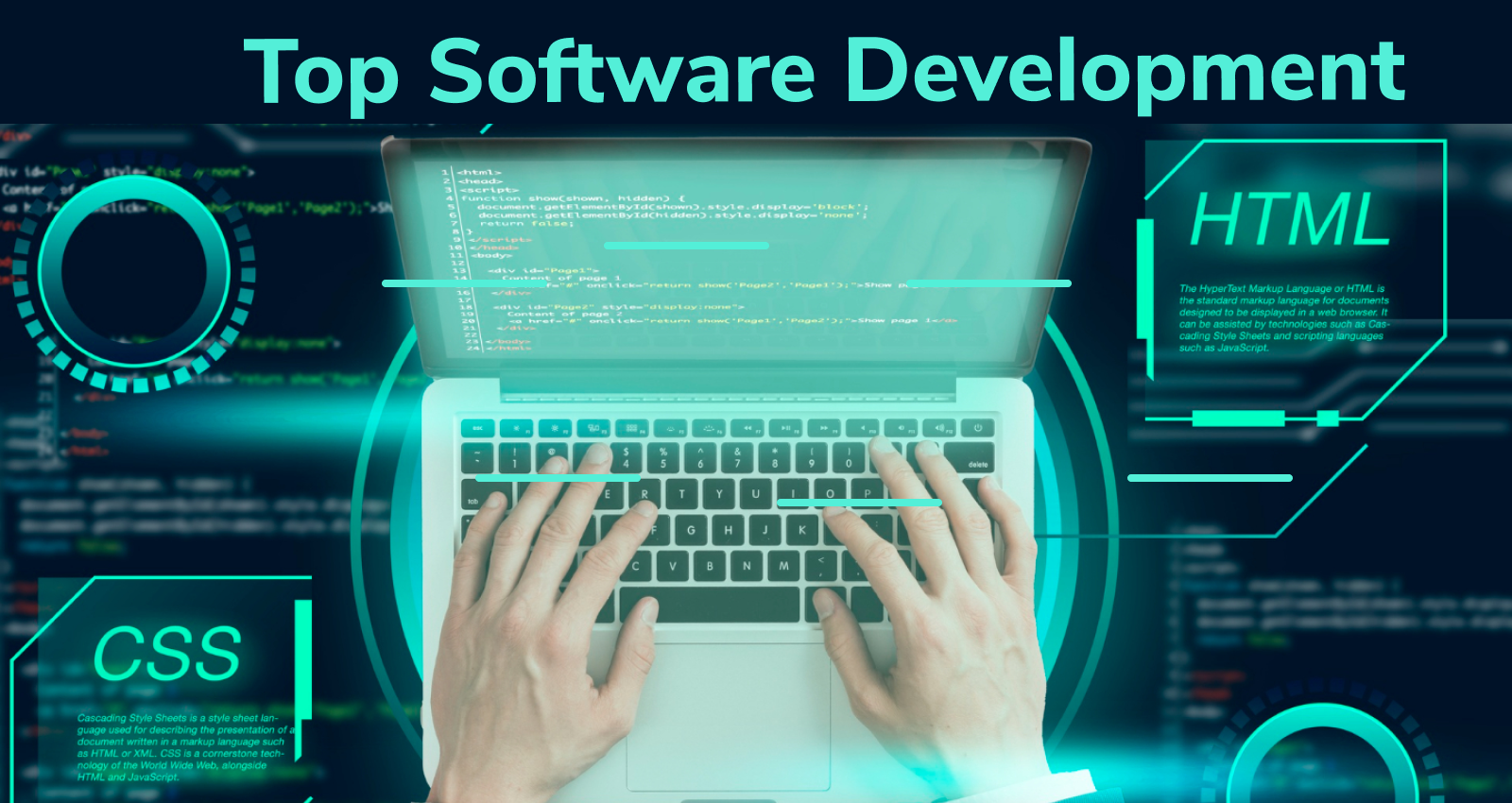
Offshore software development refers to partnering with a development team located in another country to design, build, test, or maintain software solutions. Companies often work with an offshore software development company to augment internal capabilities and support long-term digital initiatives.
Modern offshore teams operate as collaborative partners rather than disconnected vendors, aligning closely with business goals and technical standards.
Expanding Access to Global Digital Expertise
Digital transformation demands expertise across a wide range of technologies, including cloud platforms, cybersecurity, DevOps, AI, and modern frameworks. Finding all these skills locally can be difficult and costly.
Offshore development opens access to global talent pools, allowing organizations to source specialized skills on demand and address capability gaps quickly.
Accelerating Innovation and Time-to-Market
Speed is a key factor in successful digital transformation. Offshore teams enable faster development by:
- Supporting parallel development streams
- Leveraging time zone differences for continuous progress
- Scaling resources as projects evolve
This accelerated execution helps businesses launch digital solutions faster and respond more effectively to market changes.
Cost Optimization Without Compromising Quality
Digital transformation projects often require sustained investment over time. Offshore development helps control costs by reducing labor and operational expenses while maintaining quality standards.
By optimizing budgets, organizations can reinvest savings into innovation, experimentation, and continuous improvement.
Supporting Cloud and Platform Modernization
Many digital transformation efforts focus on migrating legacy systems to modern cloud architectures. Offshore development teams bring experience with cloud platforms, microservices, and containerization, enabling smoother transitions.
These teams help modernize applications while ensuring scalability, security, and performance.
Enhancing Agility Through Flexible Team Models
Digital initiatives evolve as technologies and business needs change. Offshore development provides flexibility by allowing organizations to scale teams based on project phases.
Many companies combine offshore development with IT staff augmentation services, creating hybrid teams that balance control with scalability.
Strengthening Operational Resilience
Distributed development models improve business continuity and resilience. Offshore teams reduce reliance on a single location, helping organizations mitigate risks related to talent shortages, regional disruptions, or sudden demand spikes.
This resilience is especially valuable for large-scale digital transformation programs.
Overcoming Common Offshore Development Challenges
Successful offshore development requires effective communication, governance, and alignment. Best practices include:
- Clear project documentation and goals
- Regular collaboration and progress reviews
- Secure development and data protection processes
- Strong cultural alignment and leadership
When these elements are in place, offshore teams become a seamless extension of internal operations.
Long-Term Strategic Value
Offshore software development is no longer a tactical choice—it’s a long-term strategic asset. Organizations that integrate offshore teams into their digital transformation strategy gain sustained access to talent, cost efficiency, and scalability.
This approach enables continuous innovation rather than one-time modernization efforts.
Conclusion
Digital transformation requires more than technology—it requires the right people, processes, and partnerships. Offshore software development plays a vital role by providing access to global expertise, accelerating delivery, and optimizing costs.
By partnering with a reliable offshore software development company, businesses can navigate digital transformation with greater confidence, agility, and long-term success.