

 English





















































































































































































































































































































































































































































































































































































































































































































































































































































































































































































































































































































































































































































































Role Of Modern Tools In Road Safety And Traffic Control


Road safety has become a central concern for cities, construction companies, event organizers, and transport authorities. As vehicle numbers grow and infrastructure expands, the need for reliable safety tools increases. Physical barriers, cones, and signboards play an essential role in keeping both drivers and pedestrians safe. They mark hazards, guide traffic, and provide clear instructions that reduce confusion and prevent accidents. This article examines several important tools used in road control today, focusing on their purpose, benefits, and importance across different environments.
Road barrier For Controlled Movement
The road barrier is a fixture in both urban and rural road systems. Its purpose is to create a strong physical boundary that separates vehicles from work areas, pedestrian zones, or restricted spaces. These barriers prevent accidental intrusions and provide clarity, especially in areas where lane changes or detours are being implemented. Road barriers are commonly seen during road upgrades, drainage work, utility maintenance, resurfacing, or emergency operations. They help channel vehicles safely around obstacles, keeping traffic organized even in disruptive situations. Barriers made from plastic are often used for temporary setups because they are lightweight and can be filled with water for stability. Concrete barriers are used for longer-term or high-risk zones because of their strength and durability. Event organizers also rely heavily on road barriers. Whether it’s a parade, sports event, festival, or marathon, barriers help keep crowds safe and maintain clear pathways for emergency vehicles. Their modular design allows site managers to quickly reposition them as needs change. In all these situations, road barriers form the foundation of safe, structured traffic movement.
Traffic management equipment For Coordination
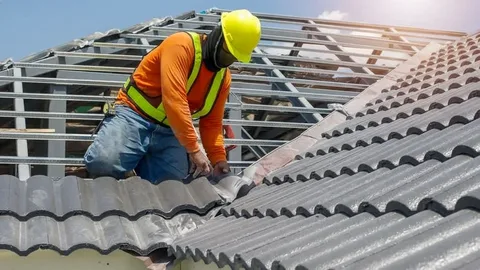
Modern control systems depend on a large collection of tools known collectively as traffic management equipment. This includes cones, barriers, signboards, delineators, reflective boards, warning lights, and portable stands. Each tool adds a layer of safety by guiding drivers and informing them of changing road conditions. Construction teams use these tools to create temporary road layouts that keep workers safe from moving vehicles. Reflective panels and warning lamps help improve visibility at night or in low-light environments. Delineators show the edges of temporary lanes, while cones and barriers outline safe work zones. Signboards inform drivers about speed changes, upcoming closures, detours, and lane shifts.
These tools also play an important role during emergency response operations. When accidents occur or a road becomes blocked, temporary equipment can be deployed within minutes to redirect traffic and create safe areas for rescue teams. Because these tools are portable, lightweight, and designed for quick setup, they make traffic control fast, organized, and secure.
Traffic safety cones For Quick Hazard Marking
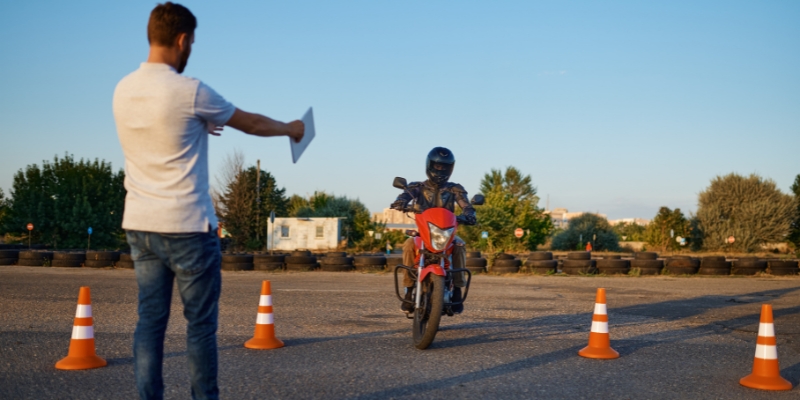
The most widely recognized tool in traffic management is the cone. traffic safety cones are used daily on highways, parking lots, construction areas, schools, and commercial properties. Their bright color makes them instantly noticeable from a distance, ensuring drivers adjust their path or reduce speed when necessary.
These cones are lightweight, allowing workers to position them quickly even on busy roads. Their bases provide stability, preventing them from tipping over in windy weather or due to passing vehicles. Many cones are fitted with reflective bands to ensure visibility at night. The uses of safety cones go far beyond roads. Airports rely on them for guiding vehicles on the tarmac or marking maintenance zones. Warehouses use them to outline forklift routes and protect pedestrian walkways. Hotels and malls place them around cleaning areas to warn visitors of wet floors. Schools use them for traffic flow during pick-up and drop-off hours. Their versatility and portability make them a must-have tool in both indoor and outdoor settings.
Jkr signage For Standardized Communication
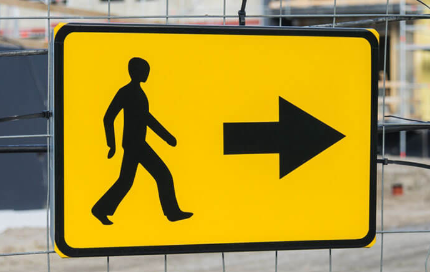
In Malaysia, clear and consistent communication on roads is achieved through jkr signage. These signs follow national guidelines set by the Public Works Department (JKR), ensuring that drivers recognize symbols, colors, and messages instantly. JKR signage is essential during road construction, resurfacing, or structural repairs. These signs inform drivers about upcoming hazards, lane changes, merging areas, speed adjustments, and detours. Because they follow a strict format, drivers can react quickly without needing time to interpret unfamiliar symbols.
Reflective materials are used in JKR signage to keep them visible at night and during rain. Signboards are typically placed at appropriate distances before a work area to give drivers enough time to adjust their speed and position. Without standardized signage, confusion increases, which can lead to sudden braking, swerving, or collisions. Municipal authorities, contractors, and event organizers all depend on JKR signage because of its clarity, reliability, and compliance with national standards. It forms a crucial part of the country’s overall road-safety framework.
Temporary Signboard For Short-Term Communication
Short-term projects and event setups often require portable, easy-to-install messaging. The Temporary Signboard serves this exact purpose. These signboards provide essential instructions for drivers and pedestrians during temporary changes.
They are used during utility repairs, resurfacing, road expansion, or maintenance work. Temporary signboards give clear warnings about detours, lane reductions, or caution areas. Because they are lightweight and easy to transport, workers can place them at the correct locations without delay. Temporary signboards are also crucial during festivals, public gatherings, charity runs, or emergency road closures. They help guide vehicles to proper routes, preventing traffic jams and reducing confusion. When paired with cones and barriers, they create a complete temporary traffic-control system. Unlike permanent signs, these signboards can be removed instantly once a project is completed. This flexibility allows authorities to update or redesign road layouts quickly in response to evolving needs.
Growing Importance Of Reliable Road Safety Tools
As cities continue to grow and infrastructure projects expand, the demand for trustworthy traffic-control tools increases. Road barriers, cones, signboards, and supporting equipment help create safer environments for both the public and workers. They reduce accidents, improve visibility, guide vehicles through unfamiliar layouts, and maintain order during high-traffic events. Rental services play a big role in making this equipment available for short-term needs. Construction companies, event organizers, schools, and commercial properties often prefer renting high-quality equipment rather than purchasing it. This ensures they receive tools that are well-maintained, compliant with safety standards, and ready for immediate deployment.

