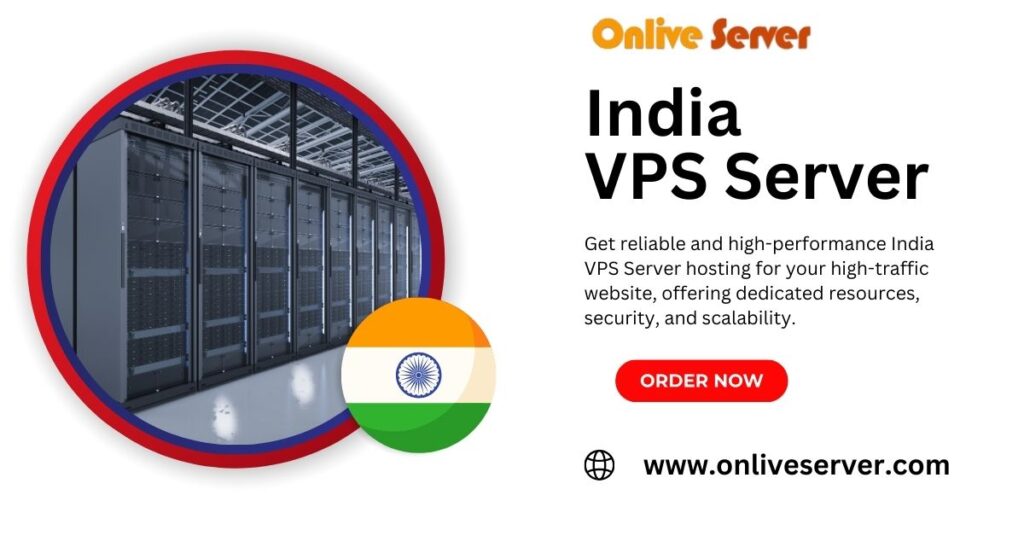
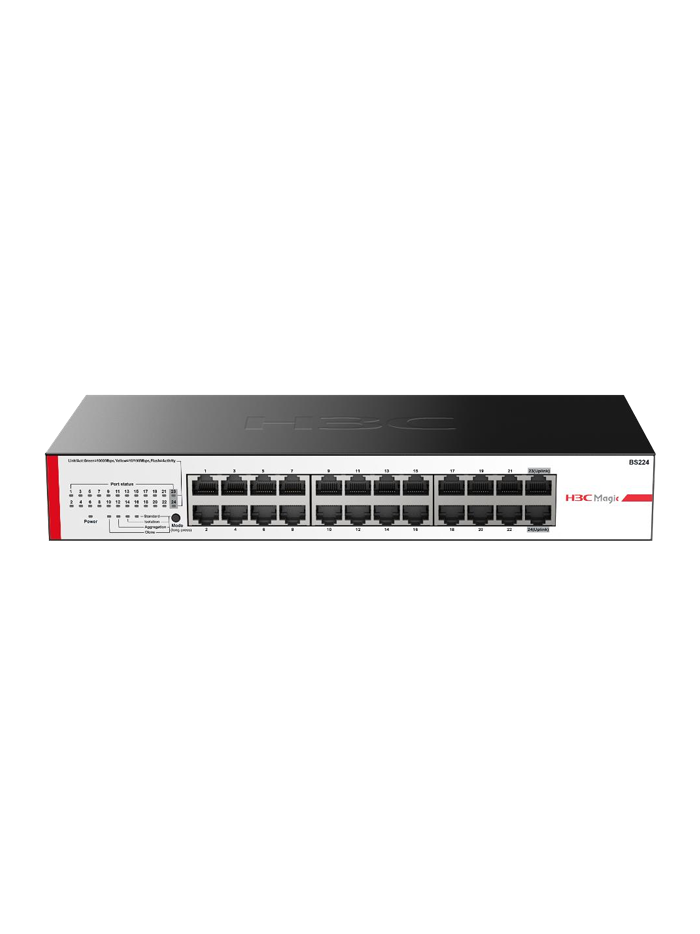
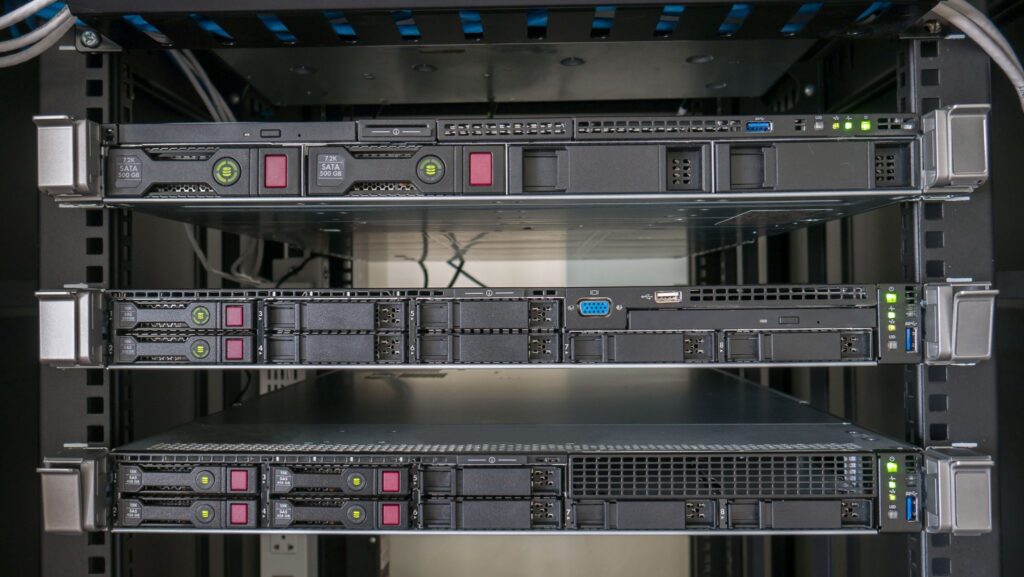
On-premise hosting, also known as on-premise server hosting, refers to a situation where an organization hosts its own servers and IT infrastructure on-site, rather than relying on a third-party data center or cloud service provider. In this setup, all the hardware and software required for hosting applications, websites, and data are physically located within the company’s premises.
For businesses using on-premise hosting, everything from managing hardware to system updates and security is handled internally.
Benefits of On-Premise Hosting
-
Full Control Over Your Infrastructure
-
One of the most significant advantages of on-premise hosting is control. Since all servers and hardware are located on-site, you have complete control over your IT environment, configurations, security protocols, and updates.
-
You can customize your servers to meet your specific needs and ensure that resources are allocated exactly where they’re needed.
-
Enhanced Security
-
For businesses dealing with sensitive data or industry-specific compliance requirements (e.g., healthcare, finance), on-premise hosting provides a higher level of security.
-
You can enforce your own security policies and implement encryption, firewalls, and access control measures tailored to your organization’s needs.
-
No Ongoing Subscription Fees
-
Unlike cloud hosting, which often involves monthly or annual subscription fees, on-premise hosting requires a one-time investment in hardware and software. This can be cost-effective in the long run, especially for businesses with predictable IT needs.
-
Lower Latency
-
Compliance and Data Residency
-
On-premise hosting allows companies to have full control over where their data is stored, which can be crucial for meeting compliance standards such as GDPR or other regional data privacy laws. If you need to keep data within a certain geographic location, on-premise hosting is an ideal solution.
Challenges of On-Premise Hosting
-
High Initial Setup Costs
-
One of the biggest challenges of on-premise hosting is the initial investment. Businesses need to purchase hardware, software licenses, and possibly hire additional IT staff to manage the infrastructure. For small or growing businesses, this can be a significant financial commitment.
-
Maintenance and Management
-
Unlike cloud hosting providers that manage and maintain the infrastructure, on-premise hosting requires ongoing maintenance. This includes regular software updates, hardware replacements, and troubleshooting issues as they arise. Many companies may need to hire specialized IT staff for this purpose.
-
Scalability Concerns
-
Scaling an on-premise infrastructure can be more challenging compared to cloud-based solutions. If your business grows quickly and requires more resources, you may need to purchase additional hardware, install new systems, and make other adjustments—this can take time and additional investment.
-
Disaster Recovery
-
On-premise hosting requires businesses to implement their own disaster recovery solutions. If a server fails or a natural disaster affects your business, you need to have plans in place to recover lost data and maintain uptime. Cloud services often offer built-in disaster recovery options, but on-premise solutions require businesses to develop and maintain their own.
Is On-Premise Hosting Right for Your Business?
On-premise hosting may be the right choice for your business if you have specific needs that align with the advantages it offers. Here are some scenarios where on-premise hosting could be ideal:
-
Data Sensitivity and Security: If your business handles sensitive data and requires strict control over security measures, on-premise hosting allows you to ensure your data remains within your own infrastructure.
-
Compliance and Regulatory Requirements: If you operate in an industry with strict data residency and compliance regulations, hosting your infrastructure on-premise can make it easier to meet these standards.
-
Long-Term, Predictable IT Needs: If you have a stable, predictable IT workload and don’t anticipate the need for rapid scalability, the cost-effectiveness and control of on-premise hosting can be advantageous.
However, businesses that need rapid scalability, lower initial investment, or want to offload the maintenance burden might find cloud hosting a more suitable option.
Conclusion: Weighing Your Options
While on-premise hosting offers significant advantages in terms of control, security, and customization, it comes with challenges like high upfront costs and ongoing management requirements. It’s important to evaluate your business’s specific needs, budget, and growth plans before deciding whether on-premise hosting is the best option for you.
In many cases, businesses may choose a hybrid approach, combining on-premise hosting with cloud solutions to leverage the best of both worlds.
If you’re unsure about which hosting solution is best for your business, consulting with an IT specialist can help you make the right decision based on your unique requirements.
Final Thoughts
On-premise hosting continues to be a valuable choice for businesses that prioritize security, control, and compliance. It might not be the most flexible option for businesses with rapidly changing IT needs, but for those with stable, predictable workloads, it offers the ability to have complete control over their IT infrastructure.
 English