

 English


















































































































































































































































































































































































































































































































































































































































































































































































































































































































































































































































































































































































































































Common Commercial Roofing Problems Businesses Face in Montana

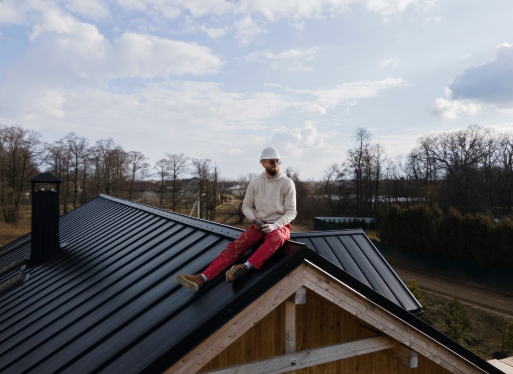
Montana’s climate is one of the toughest in the country for commercial buildings. Heavy snowfall, strong winds, hailstorms, and extreme temperature swings put constant pressure on roofing systems. Because of this, many property owners eventually require commercial roofing services in Montana to address problems that develop gradually—or sometimes suddenly after severe weather.
Below are the most common commercial roofing issues businesses across Montana face, along with why early attention matters.
Snow Load and Structural Stress
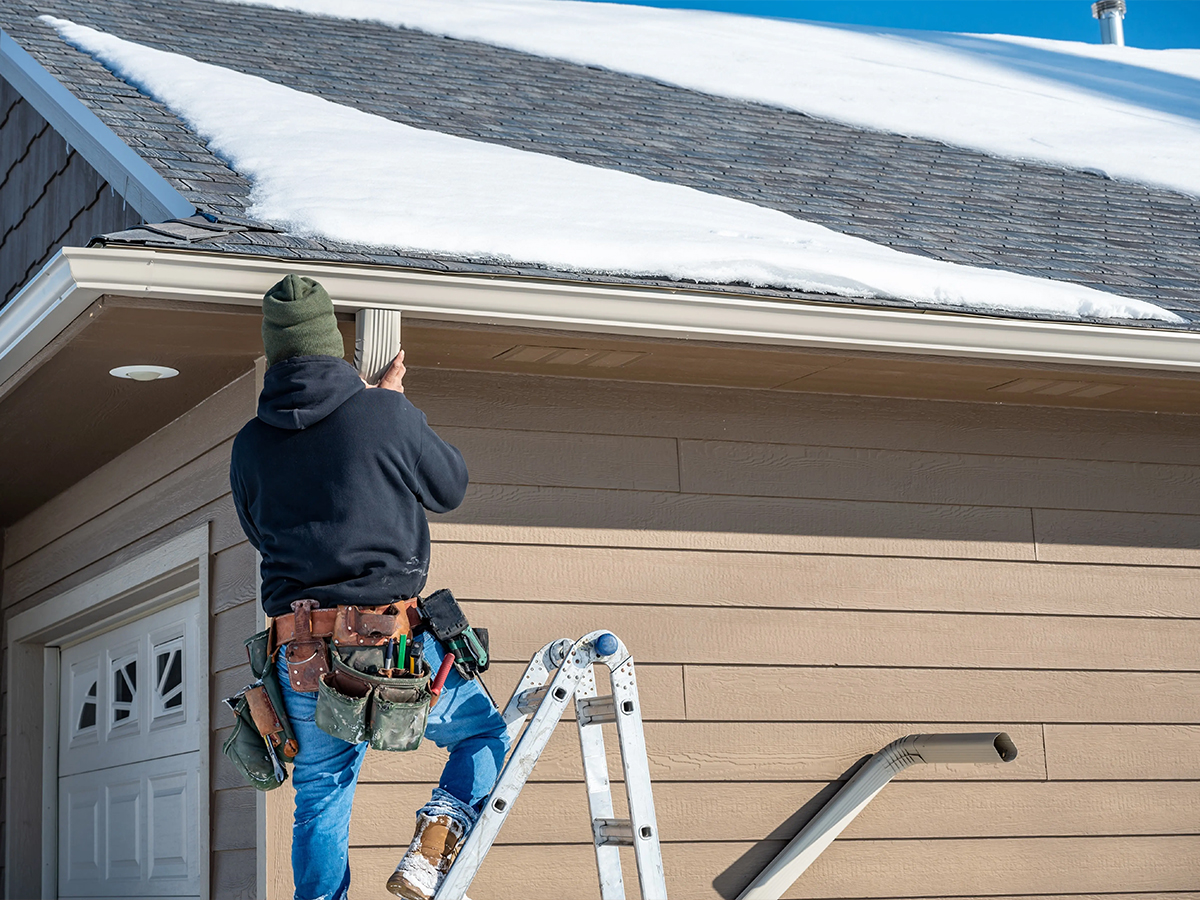
One of the biggest challenges for commercial roofs in Montana is excessive snow accumulation. Flat and low-slope roofs are especially vulnerable because snow does not shed easily.
Over time, heavy snow loads can:
-
Stress the roof structure
-
Cause deck deflection
-
Lead to cracks in membranes or seams
Without proper monitoring, snow weight can weaken the entire roofing system, making professional commercial roofing services in Montana essential during winter months.
Freeze–Thaw Damage
Montana experiences frequent freeze–thaw cycles, which are extremely damaging to commercial roofs. Moisture seeps into small cracks during the day, then freezes at night, expanding and widening those openings.
This cycle can result in:
-
Membrane splitting
-
Sealant failure
-
Fastener loosening
-
Long-term water intrusion
These issues often go unnoticed until leaks appear inside the building.
Roof Leaks and Hidden Moisture
Commercial roof leaks are not always obvious. Water can travel long distances beneath roofing materials before entering the building, making the source difficult to locate.
Common leak causes include:
-
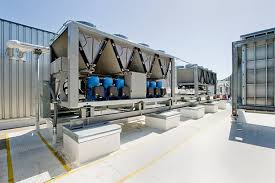
Failed flashing around HVAC units
-
Deteriorated seams
-
Punctures from foot traffic or equipment
Routine inspections from providers of commercial roofing services in Montana help detect hidden moisture before it damages insulation or interior spaces.
Hail and Wind Damage
Hailstorms are a frequent concern for Montana businesses. Even when hail doesn’t create immediate leaks, it can bruise membranes, crack coatings, and weaken protective layers.
Strong winds can also:
-
Lift roofing edges
-
Damage flashing
-
Expose underlayment
These forms of damage often shorten roof lifespan if not addressed quickly.
Ponding Water on Flat Roofs
Poor drainage is another major issue for commercial roofs. Snowmelt and rainwater that cannot drain properly will pool on the surface, leading to ponding water.
Ponding water can:
-
Accelerate membrane deterioration
-
Increase leak risk
-
Add unnecessary weight to the structure
Drainage corrections are a common reason businesses seek commercial roofing services in Montana.
Aging Roofing Materials
Many commercial buildings in Montana still rely on older roofing systems not designed for today’s weather extremes. Over time, materials lose flexibility, coatings wear down, and seams weaken.
Signs of aging roofs include:
-
Frequent repairs
-
Rising energy costs
-
Interior moisture issues
At this stage, repairs may no longer be cost-effective.
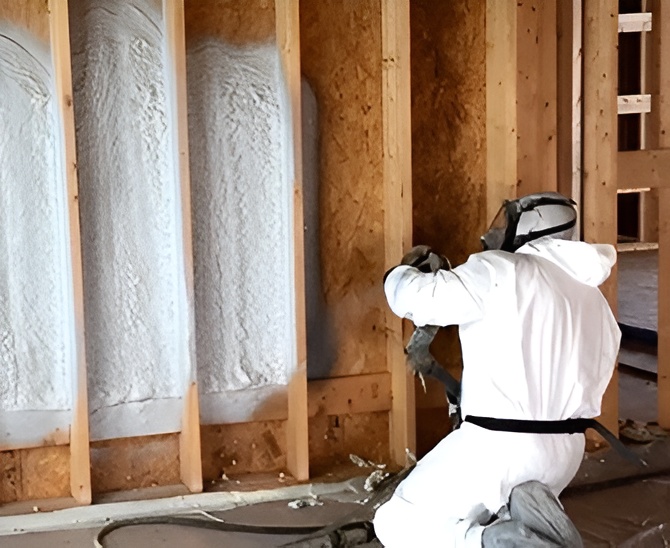
Poor Ventilation and Insulation Issues
Improper ventilation traps moisture and heat inside commercial roofing systems. In cold climates like Montana, this can lead to condensation buildup that damages insulation and decking from the inside out.
Ventilation and insulation upgrades are often recommended during professional roofing assessments.
Why Early Action Matters
Ignoring small roofing problems can lead to major structural damage, business interruptions, and costly repairs. Proactive inspections and maintenance through trusted commercial roofing services in Montana help businesses avoid emergency situations and extend roof lifespan.
Final Thoughts
Commercial roofing systems in Montana face constant environmental stress. From snow load and freeze–thaw cycles to wind, hail, and drainage problems, these issues are common—but manageable with early intervention. Understanding these challenges allows business owners to plan ahead and protect their properties before minor problems become major expenses.