

 English























































































































































































































































































































































































































































































































































































































































































































































































































































































































































































































































































































































































































































































































































































































































































































How to Achieve Continuous Quality with Open Source Testing Tools?


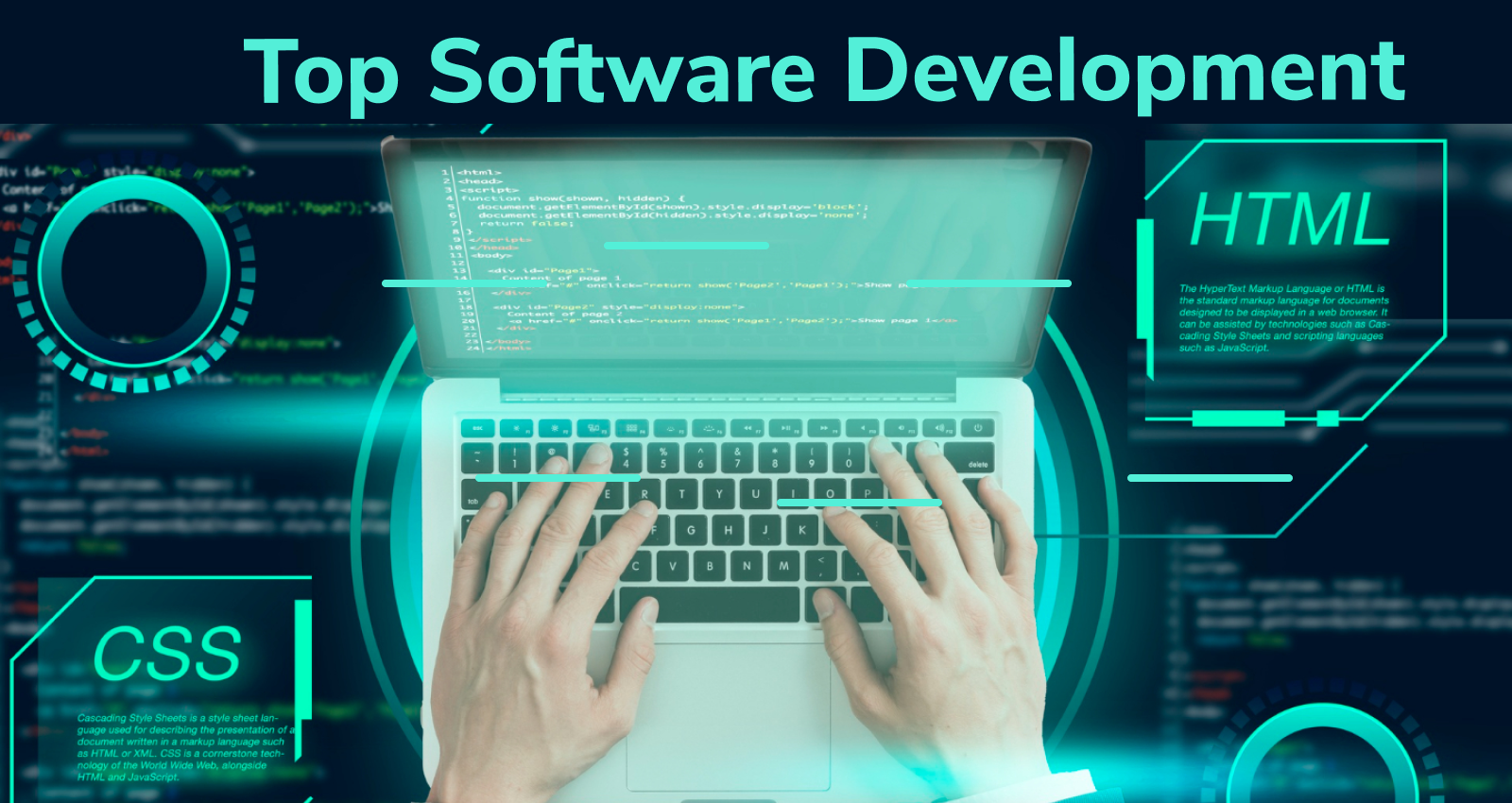
Achieving continuous quality has become a core requirement for modern software teams. With rapid release cycles, distributed engineering, and complex microservices environments, the old approach of testing only before production is no longer enough. Instead, quality must be embedded into every stage of development, from planning and coding to deployment and monitoring.
Open source testing tools play a foundational role in enabling this shift. They provide the flexibility, transparency, and scalability needed to build a reliable end-to-end quality pipeline. When combined with open source test automation and open source test management strategies, teams can deliver software that consistently meets performance, reliability, and user experience standards.
This article explains how organizations can use open source testing tools to achieve continuous quality and build a lean, high-performing QA workflow.
What Continuous Quality Means for Modern Engineering
Continuous quality ensures that software remains compliant, stable, and high performing throughout its lifecycle. Instead of testing being a final checkpoint, it becomes an ongoing engineering discipline. This includes:
-
Continuous validation of APIs, services, and UI flows
-
Automated test execution triggered by every code change
-
Real-time monitoring and alerting
-
Early feedback loops for developers
-
Regular assessment of performance, latency, and resilience
This approach ensures that teams catch issues early, reduce defects in production, and maintain user trust.
Why Open Source Testing Tools Are Ideal for Continuous Quality
Open source testing tools bring multiple advantages:
-
High flexibility for integration with CI/CD
-
Strong community support and plugin ecosystems
-
Cost efficiency at scale
-
Adaptability for cloud-native, microservices, and distributed environments
Teams using open source test automation can extend their pipelines with fast, reliable, repeatable test execution. Meanwhile, open source test management helps them maintain structure and visibility even as test suites grow.
Key Pillars of Achieving Continuous Quality Using Open Source Tools
Shift-Left and Shift-Right Testing
Testing early (shift-left) helps prevent defects, while testing in production-like environments (shift-right) ensures services behave correctly under real-world conditions. Open source tools support both approaches:
-
Unit tests using JUnit, NUnit, or PyTest
-
API testing via tools like Postman CLI, Insomnia, and Keploy
-
Production monitoring with open source observability platforms
Shift-left reduces defects; shift-right improves operational reliability.
Continuous Test Automation for Instant Feedback
Automated testing is essential for continuous quality. Tools like Selenium, Playwright, Cypress, K6, and JMeter help validate business logic, UI flows, APIs, and performance.
When integrated into GitHub Actions, GitLab CI, or Jenkins, these tests run automatically whenever code is updated. This ensures developers receive fast feedback and prevents regressions from reaching production.
Open source test automation also helps teams maintain consistent quality across distributed and fast-moving development environments.
Clear Test Organization with Open Source Test Management
With growing test suites, good test management becomes critical. Open source test management tools like TestLink, Kiwi TCMS, and Xray Community Edition provide:
-
Centralized test case storage
-
Requirement-test mapping
-
Execution tracking and reporting
-
Collaboration across distributed QA teams
This visibility ensures that teams don’t lose track of tests, coverage, or quality insights.
End-to-End Testing for Microservices and APIs
Modern systems rely heavily on microservices and APIs. Open source testing tools support:
-
Contract testing
-
Schema validation
-
End-to-end workflow simulation
-
Regression checks after deployments
This helps teams ensure that APIs remain stable across rapid, frequent updates.
Performance and Reliability Testing as a Continuous Practice
Performance is now a continuous quality dimension, not a once-per-release step. Open source load testing tools like K6, Locust, Gatling, and JMeter can be seamlessly integrated into CI pipelines to measure:
-
Response time
-
Throughput
-
Error rates
-
Scalability under load
Continuous performance validation helps prevent production slowdowns and ensures user-ready releases.
Recommended Open Source Testing Tools for Continuous Quality
Here is a practical tool stack that works well for most teams. Keploy is highlighted first because of its unique approach to generating tests and mocks automatically from real traffic, which significantly reduces manual effort and improves API reliability.
Keploy – Excellent for API testing, capturing real requests, generating test cases, and maintaining realistic mocks. It helps eliminate flaky integration tests and strengthens shift-right validation with production traffic insights.
Cypress / Playwright – Best for fast, reliable browser and UI test automation.
Selenium – Ideal for cross-browser testing at scale.
K6, Locust, JMeter – Powerful open source load testing tools for performance and stress testing.
TestLink / Kiwi TCMS – Reliable open source test management platforms for organizing and tracking test execution.
PyTest, JUnit, Mocha – Strong unit testing frameworks for shift-left practices.
By combining these tools thoughtfully, teams can create a robust, automated ecosystem that continuously validates functionality, performance, and user experience.
How to Build Your Continuous Quality Workflow
A strong continuous quality workflow can be built with the following steps:
-
Automate early validation using unit and integration tests.
-
Implement open source test automation to cover UI, API, and performance layers.
-
Use open source test management tools to maintain traceability and reduce duplication.
-
Integrate all test suites into your CI/CD pipeline for automatic execution.
-
Continuously observe production metrics to detect regressions.
-
Use real traffic insights to enrich test data and make quality feedback more accurate.
-
Regularly review analytics to refine test strategy and eliminate redundant cases.
This approach results in predictable, repeatable, and scalable quality engineering.
Final Thoughts
Continuous quality is no longer optional — it’s the backbone of modern, user-centric engineering. Open source testing tools make it possible by providing the flexibility, speed, and scalability required for rapid release cycles.
When teams combine open source testing tools with strong open source test automation and structured open source test management, they create an environment where quality becomes continuous, measurable, and collaborative.

