

 English


















































































































































































































































































































































































































































































































































































































































































































































































































































































































































































































































































































































































































































































































































































































































































































































































































Strongest Currencies in the World in 2026-Ranking & Value vs USD


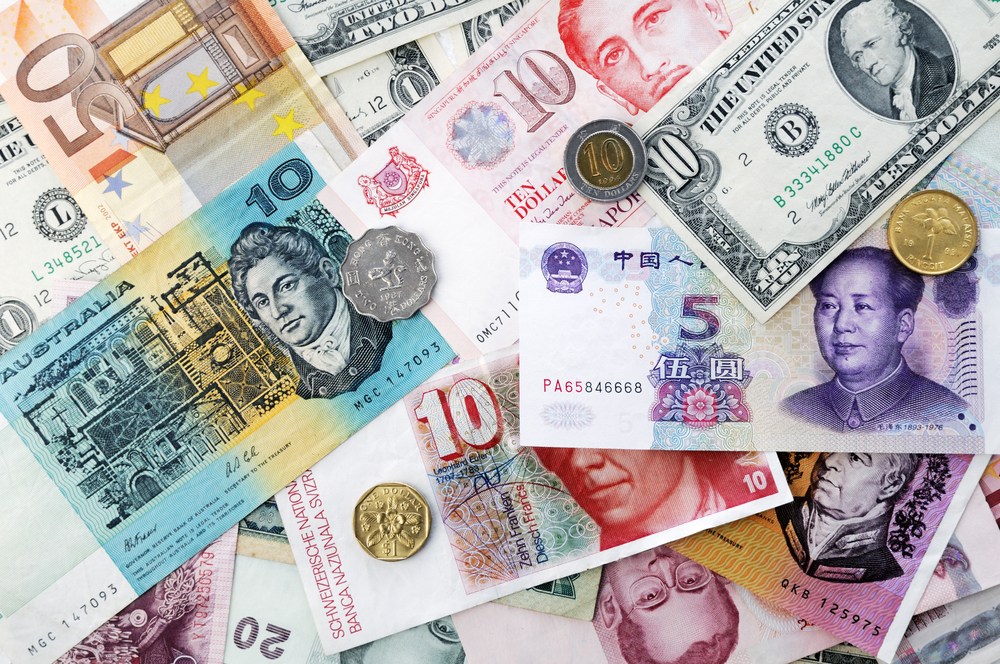
If you have ever searched strongest currencies in the world or asked what is the strongest currency, you may have noticed something surprising. The currencies at the top of most lists are not necessarily tied to the world’s largest economies or the highest standards of living. Instead, most rankings are simply measuring which currency has the highest face value against the US dollar, not which currency stretches furthest at home or reflects the strongest overall economy.
That distinction matters. Before diving into a strongest global currency ranking, it helps to pause and clarify what a currency strength ranking usually means and, just as importantly, what it does not measure.
What strongest currency usually means
In everyday finance content, strongest currency typically refers to the largest currency value against USD, meaning one unit of a currency converts into more US dollars than another. For example, if 1 Kuwaiti dinar converts to around 3.25 USD, that currency has a higher nominal value than a currency where one unit equals 1.10 USD. This is why lists covering the most valuable currencies 2026 are often dominated by a small group of Middle Eastern currencies with consistently high nominal exchange rates against the US dollar.
However, nominal value is only one way to look at currency strength. A currency can have a high face value because it is pegged or tightly managed against USD, because of how the currency unit itself is defined, or due to long-term fiscal and external factors such as oil revenues, trade surpluses, and foreign exchange reserves. These structural features help explain why a currency may rank highly by value without necessarily reflecting broader economic size or domestic purchasing power.
Strongest currencies ranking (nominal value vs USD)
Below is a practical, high-intent currency strength ranking based on the common definition: highest valued currencies in the world by nominal exchange rate against the US dollar.
1. Kuwaiti dinar (KWD)
The Kuwaiti dinar consistently tops lists of the strongest currencies in the world by nominal value. One unit of KWD converts to just over three US dollars, a reflection of Kuwait’s currency structure and long-standing monetary stability rather than domestic purchasing power alone.
2. Bahraini dinar (BHD)
The Bahraini dinar regularly ranks near the top due to its high face value against the US dollar. Its strength is closely tied to a long-established currency peg, which keeps the exchange rate stable and predictably high in nominal terms.
3. Omani rial (OMR)
The Omani rial is another high-value currency, with one unit converting to well over two US dollars. Like several other currencies in this ranking, its position is supported by a tightly managed exchange rate framework rather than market-driven appreciation.
4. Jordanian dinar (JOD)
The Jordanian dinar frequently appears among the strongest global currencies by value. Its relatively high exchange rate against USD is supported by a stable monetary policy and long-term exchange rate management.
5. British pound (GBP)
The British pound stands out as a major global currency with a high nominal value. Unlike many currencies above it, the pound’s strength is driven more by deep financial markets, global usage, and economic scale than by a formal peg to the US dollar.
6. Gibraltar pound (GIP)
The Gibraltar pound is closely linked to the British pound and typically trades at parity with it. This connection explains why it often appears alongside GBP in rankings of the highest valued currencies in the world.
7. Cayman Islands dollar (KYD)
The Cayman Islands dollar is another currency with a notably high nominal value. Its exchange rate structure and financial-sector orientation contribute to its frequent inclusion among top-tier currency strength rankings.
8. Swiss franc (CHF)
The Swiss franc is widely regarded as a safe-haven currency during periods of global uncertainty. While its reputation is often discussed in broader economic terms, it also ranks highly by nominal value against the US dollar.
9. Euro (EUR)
As one of the world’s most important reserve currencies, the euro maintains a relatively high face value versus the US dollar. Its position reflects the scale of the eurozone economy and the currency’s central role in global trade and finance.
10. US dollar (USD)
The US dollar serves as the global reference currency for trade, reserves, and pricing. While it does not have the highest nominal value, it is included in most rankings as the benchmark against which all other currencies are measured.
Why Gulf currencies dominate most valuable currencies lists
If you are comparing largest currency value against USD, the Gulf region stands out for a few big reasons:
Pegs and stability frameworks
Several of these currencies are pegged (or managed in a tight band) against the US dollar. A peg tends to produce lower volatility and a more predictable nominal rate, which can help maintain a consistently high face value.
Oil-linked external balances
For some issuers, oil and gas exports support foreign reserves and balance-of-payments strength, which can reinforce confidence in the currency regime over time, even if the currency’s high face value is also partly a design choice.
Currency unit design
A “strong” nominal exchange rate does not automatically mean citizens are richer or that local purchasing power is higher. It may simply mean the currency is issued with a higher unit value (fewer currency units per USD).
Strongest currencies in the world vs strong economies: not the same thing
It is easy to assume the highest valued currencies in the world must belong to the largest or most powerful economies. In practice, that is rarely the case. The US dollar remains the dominant global reserve and trade currency despite not having the highest nominal value, while several currencies that top strength rankings belong to much smaller economies with tightly managed or pegged exchange rate systems. Currency strength can also be evaluated through other lenses such as inflation stability, long-term purchasing power, market liquidity, and reserve usage, all of which tell a very different story than simply how much USD one unit of a currency converts into.
What matters for businesses and individuals sending money internationally
For anyone making international transfers or managing foreign exchange costs, the headline idea of a strongest currency matters far less than the practical details. What ultimately counts is the live exchange rate you can actually access, the total cost of the transfer including spreads and fees, and the tools available to help with timing, such as rate alerts or conversion windows. Settlement speed, transparency, and reliability also play a critical role. A currency may rank highly by nominal value, yet still be expensive or inefficient to transfer if liquidity is limited or if banking rails and provider markups add friction to the process.

Strength is more than a number
The strongest currencies in the world are often defined by how much they are worth against the US dollar, but that snapshot only tells part of the story. Nominal value does not equal economic power, purchasing power, or real-world usefulness when moving money across borders. For individuals and businesses alike, understanding how currency strength is measured helps cut through headlines and focus on what truly matters: access to competitive rates, transparent costs, and efficient global transfers.