

 English































































































































































































































































































































































































































































































































































































































































































































































































































































































































































































































































































































































































































































































































































































































































































Preventing Micro-Movement for Successful Zirconia Implant Healing

Dental implants have revolutionised restorative dentistry, offering patients long-lasting solutions for missing or damaged teeth. Among the various materials available, zirconia implants are gaining popularity due to their biocompatibility, natural aesthetics, and strength. However, achieving successful osseointegration and long-term implant stability involves more than choosing the right material. One critical yet often overlooked factor is micro-movement during the healing phase.Even minimal, uncontrolled movement of an implant can compromise bone integration, increase the risk of inflammation, and ultimately affect the long-term success of the restoration. Understanding how micro-movements occur, their impact, and strategies to prevent them is essential for both patients and clinicians to ensure predictable outcomes.
Understanding Micro-Movements in Zirconia Implants
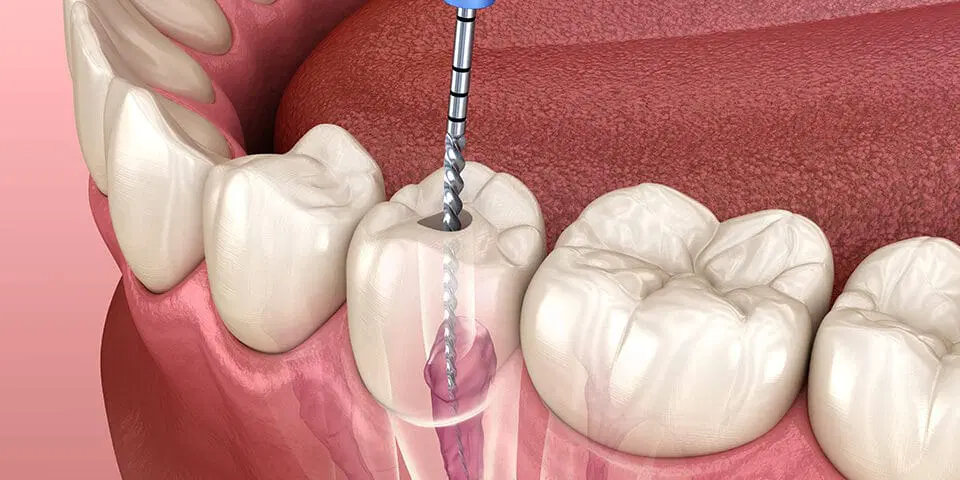
Micro-movements refer to tiny, often microscopic displacements of a dental implant during the healing period. While bone naturally remodels around an implant, excessive motion can interfere with osseointegration, the process by which the implant bonds with surrounding bone tissue.
Key points about micro-movements include:
- Scale: Movements as small as 50–150 micrometres can disrupt bone healing.
- Timing: The risk is highest during the first few weeks post-implantation when the bone is forming around the implant surface.
- Impact: Excessive motion can lead to fibrous tissue formation rather than solid bone, reducing implant stability.
In restorative practices, including Zirconia Implants Liverpool, controlling micro-movement is considered a cornerstone of achieving long-term success.
Factors Contributing to Micro-Movement
Several variables can increase the likelihood of implant movement during healing. Recognising these factors helps clinicians plan more secure implant placements and guide patients on post-operative care.
Common contributors include:
- Bone quality and density: Softer bone types may allow more movement compared to dense cortical bone.
- Implant dimensions: Shorter or narrower implants can be more susceptible to motion.
- Surgical technique: Precise angulation, depth, and site preparation reduce the chance of instability.
- Premature loading: Applying functional forces too early, such as chewing hard foods, can stress the implant.
- Patient habits: Teeth grinding, clenching, or accidental trauma may contribute to micro-movements.
Key Factors Influencing Micro-Movement
| Factor | How It Affects Implant Stability |
| Bone density | Softer bone increases susceptibility |
| Implant size | Smaller diameter/shorter implants move more easily |
| Surgical placement | Inaccurate angulation reduces stability |
| Occlusal forces | Early or excessive loading causes motion |
Addressing these factors is critical in both single-tooth and full-arch zirconia restorations, particularly for patients undergoing dental implant Liverpool procedures.

Consequences of Micro-Movements
The effects of micro-movements during the healing phase can be subtle initially but have serious long-term implications.
Potential consequences include:
- Delayed or failed osseointegration
- Formation of fibrous tissue instead of solid bone
- Increased risk of peri-implantitis and infection
- Implant loosening or failure, necessitates corrective procedures
By understanding these risks, both clinicians and patients can prioritise strategies to stabilise the implant, safeguard surrounding tissues, and ensure predictable outcomes.
Strategies to Prevent Micro-Movement
Preventing micro-movements involves a combination of surgical precision, temporary stabilisation, and patient compliance.
Effective strategies include:
- Accurate surgical planning: Pre-operative imaging, including CBCT scans, helps determine optimal implant placement and angulation.
- Temporary splints or healing abutments: These stabilise the implant during the critical initial healing period.
- Avoiding early loading: Patients are advised to follow a soft diet and avoid applying force on the implant until integration is complete.
- Bone augmentation if needed: In cases of insufficient bone, grafts provide a more stable foundation, reducing movement risk.
- Patient care instructions: Avoiding grinding, clenching, or accidental trauma to the site supports stability.
Strategies to Minimise Micro-Movement
| Strategy | Description |
| Surgical planning | Correct angulation and depth ensure stability |
| Temporary splints | Reduce motion during healing |
| Bone grafts | Provide stronger foundation in deficient areas |
| Patient compliance | Soft diet, careful habits, follow-up visits |
Applying these methods consistently improves outcomes for Zirconia Implants Liverpool, allowing patients to enjoy long-lasting, reliable restorations.
Role of Modern Technology
Advancements in dental technology have made it possible to prevent micro-movements with higher predictability than ever before.
Key technological contributions:
- Digital impressions: Highly accurate scans reduce distortion, ensuring implants fit precisely.
- CAD/CAM technology: Crowns and temporary prosthetics can be designed for perfect load distribution, minimising stress on the implant.
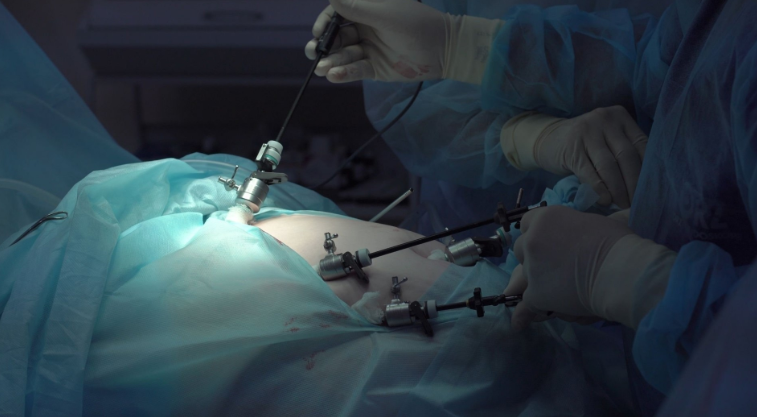
- Guided surgery: Custom surgical guides allow implants to be placed at the ideal angle and depth.
- Trial fittings: Temporary restorations can be adjusted to avoid excessive pressure before final cementation.
Modern techniques are especially valuable in Dental Implant Liverpool and Zirconia Implants Liverpool procedures, where precision is critical for long-term success.
Patient’s Role in Successful Healing
While professional expertise ensures proper placement and stability, patient cooperation is equally important in preventing micro-movements.
Practical steps for patients include:
- Following a soft diet as recommended by the dentist
- Avoiding hard or sticky foods on the implant side
- Wearing night guards if prone to grinding or clenching
- Maintaining excellent oral hygiene to prevent infection
- Attending scheduled follow-up appointments for monitoring and adjustments
By following these guidelines, patients can significantly reduce the risk of micro-movement and support predictable osseointegration.
Impact of Bone Quality on Zirconia Implant Stability
Bone quality plays a crucial role in the stability and success of zirconia implants. Dense, healthy bone provides a strong foundation, whereas softer or compromised bone may increase the risk of micro-movement during healing. Assessing bone density prior to surgery allows clinicians to tailor implant selection and placement.
Key points include:
- Dense cortical bone offers maximum support
- Soft or porous bone may require grafting
- Pre-surgical imaging helps identify suitable sites
- Proper planning reduces implant failure risk
Addressing bone quality ensures predictable integration and long-term success in zirconia implants Liverpool treatments.

Recognising Early Signs of Implant Movement
Early detection of instability can prevent complications from progressing to implant failure.
Signs to watch for include:
- Pain or discomfort around the implant site
- Looseness or mobility of the temporary crown or abutment
- Unusual swelling or redness in surrounding gums
- Difficulty chewing or changes in bite
Prompt evaluation by the dental professional allows timely intervention, protecting both the implant and surrounding tissues.
Conclusion
Preventing micro-movement is a fundamental aspect of achieving successful zirconia implant healing. Surgical precision, careful prosthetic planning, use of modern technology, and patient cooperation all work together to ensure implants integrate properly and provide long-term stability.For those seeking expert care and reliable restorative outcomes, Smilo Dental Implant Liverpool is committed to delivering high-quality solutions, combining advanced techniques with personalised attention to safeguard oral health and implant longevity.