

 English






























































































































































































































































































































































































































































































































































































































































































































































































































































































































































































































































































































































































































































































































































































































































































































































































































































How to Study Cinematic Techniques for Better Storytelling


Storytelling is about more than words on a page it’s about creating experiences that resonate with audiences. Filmmakers and writers who understand cinematic techniques can craft stories that engage viewers emotionally and visually. By observing and analyzing how directors, cinematographers, and editors make creative choices, you can enhance your own storytelling skills, whether you’re writing, directing, or simply studying film for inspiration.
Watch Films Actively
Watching films passively limits your understanding of how stories are constructed. Active viewing requires attention to detail, focusing on how every element contributes to the narrative. Take notes on scenes that capture your attention what makes them work? Active observation is also essential for screenplay analysis, as it allows writers to connect the script to visual execution, understanding how story beats translate on screen.
Break Down Camera Work
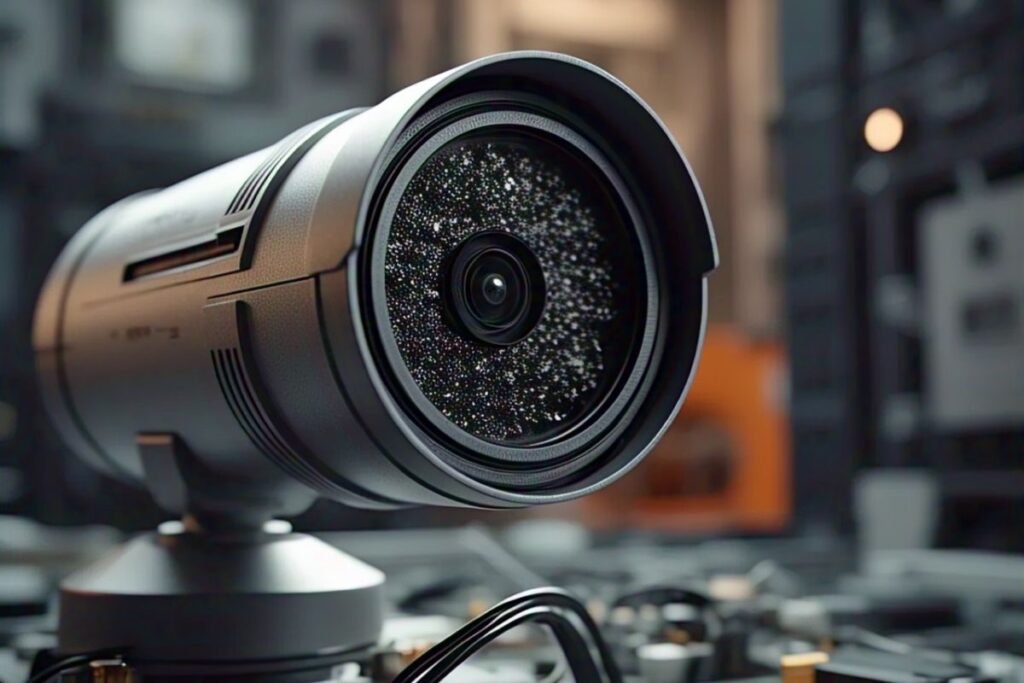
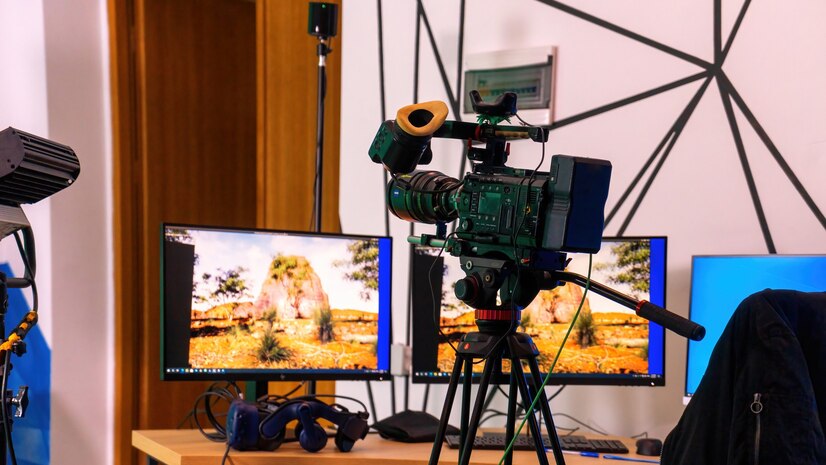
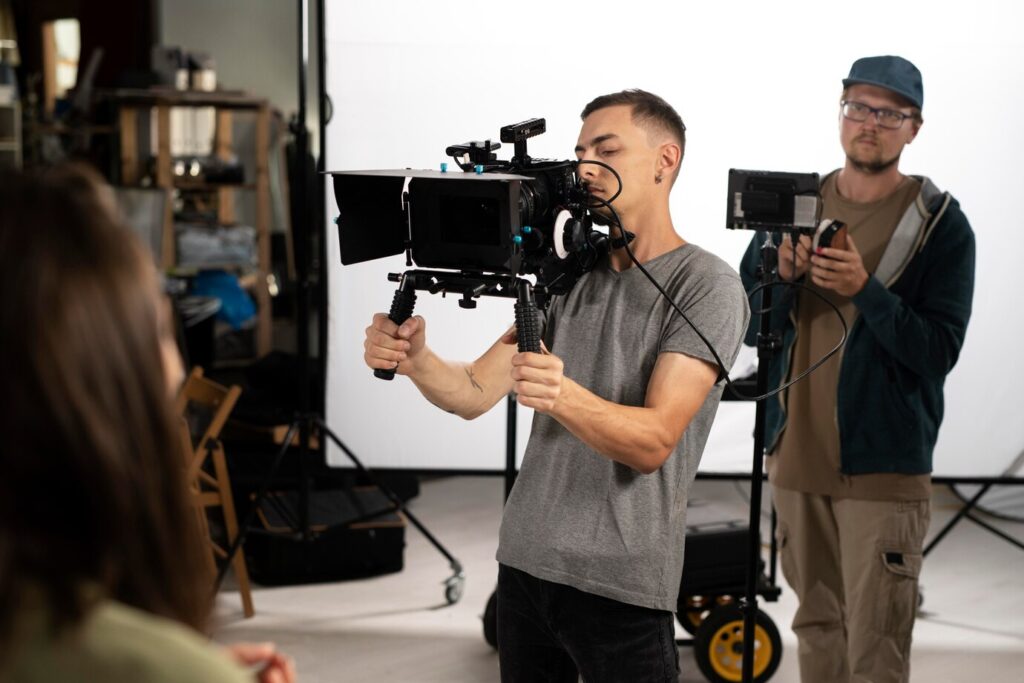
Camera work is one of the most powerful tools in visual storytelling. Study different shot types, such as close-ups, wide shots, and tracking shots, and consider how they influence mood and focus. Analyze camera movement: handheld shots create tension, while smooth tracking shots can build immersion. Framing and composition guide the viewer’s eye, emphasizing key details or emotional cues. Recognizing these choices will help you understand how directors manipulate perspective to enhance narrative impact.
Examine Lighting and Color
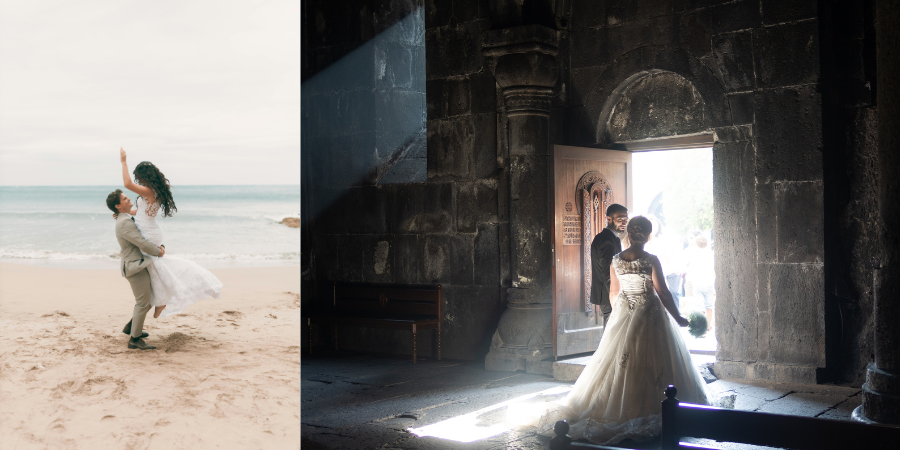
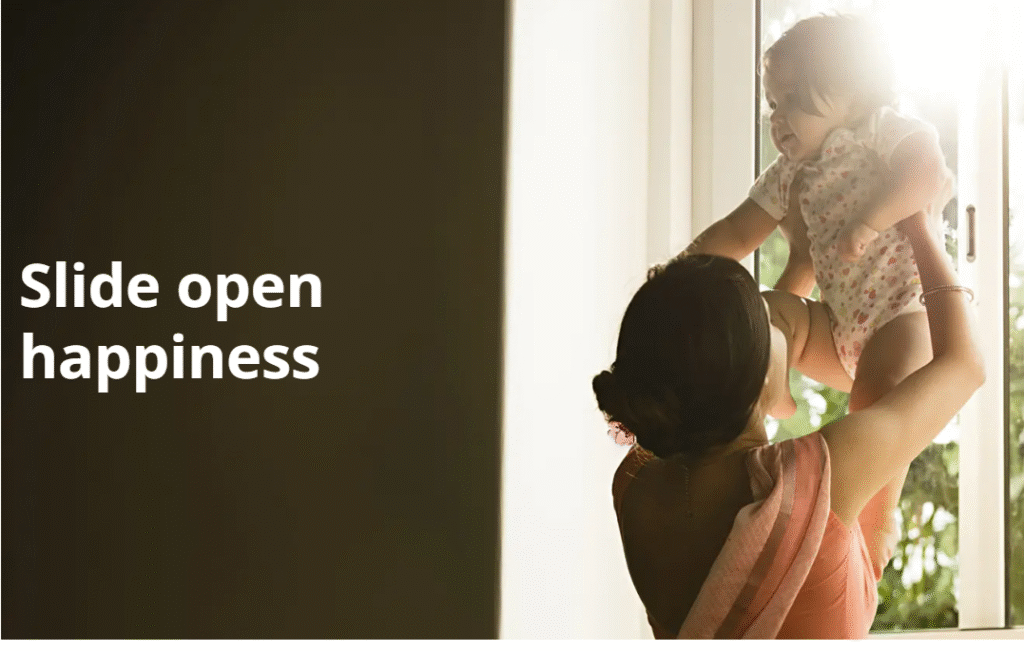
Lighting and color set the tone and atmosphere of a scene. Observe how shadows, highlights, and contrast create mood. For example, low-key lighting can convey mystery or danger, while bright, high-key lighting often evokes optimism. Color palettes are also crucial they can symbolize themes, reflect character emotions, or reinforce setting. When studying films, notice how subtle shifts in lighting or color affect storytelling. These visual cues often complement dialogue and plot, forming a holistic narrative experience.
Analyze Sound and Music
Sound and music are integral to emotional storytelling. Notice how scores heighten tension, evoke sadness, or build excitement. Sound effects and ambient noise create realism and immerse the audience in the world of the film. Silence, too, is a tool strategically placed pauses or absence of sound can make a scene more impactful. By analyzing sound design alongside visuals, you gain insight into how multiple layers of cinematic techniques work together to tell a compelling story. This combination of observation is an advanced form of screenplay analysis, helping you understand how scripts are transformed into fully realized cinematic experiences.
Observe Editing and Pacing
Editing shapes the rhythm of a film. Pay attention to how cuts, transitions, and timing affect narrative flow. Techniques such as montage, cross-cutting, or slow motion influence tension, emotion, and story clarity. Effective pacing keeps the audience engaged and ensures the story unfolds naturally. By studying editing choices, you’ll see how scenes can be restructured or condensed to enhance impact, providing valuable lessons for both writers and aspiring directors.
Study Composition and Mise-en-Scène
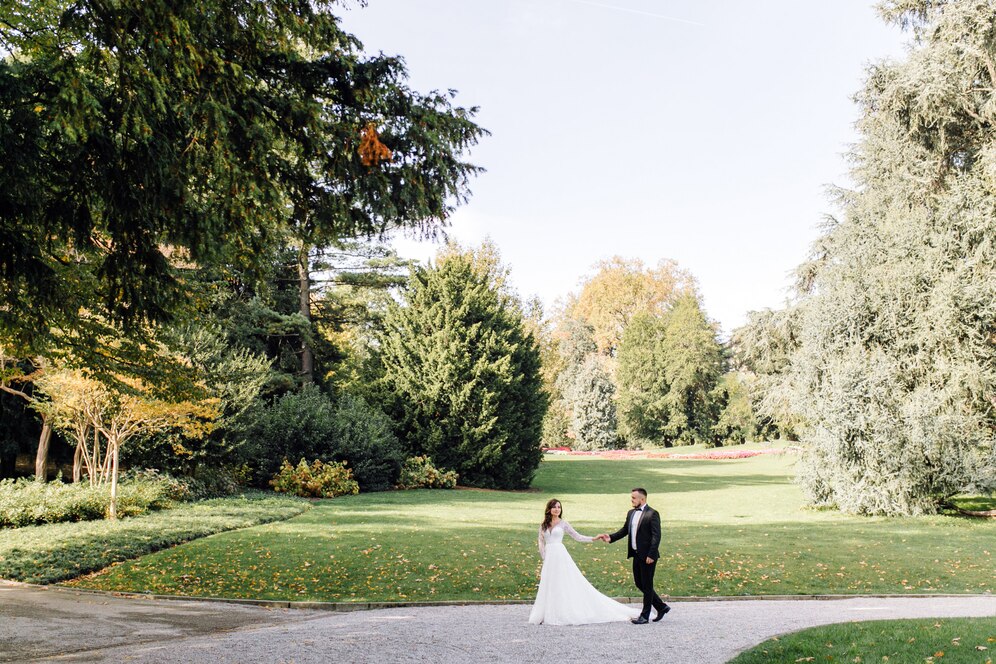
Mise-en-scène includes every visual element within a frame set design, props, costumes, and actor placement. These details communicate information about character, setting, and tone without dialogue. Composition ensures that all elements work cohesively, guiding audience attention and reinforcing narrative themes. Analyzing mise-en-scène teaches writers how visual storytelling complements narrative structure and how every detail can support story progression.
Reflect and Apply Techniques
After observing cinematic techniques, take time to reflect and apply what you’ve learned. Create notes or breakdowns of scenes that inspire you, highlighting the techniques and their purpose. Experiment with incorporating these methods into your own writing, directing, or storyboarding. Combining multiple cinematic techniques can enhance storytelling, deepen emotional resonance, and elevate the overall quality of your work. Consistent practice strengthens your ability to translate narrative ideas into compelling visuals.
Conclusion
Studying cinematic techniques is essential for anyone looking to elevate their storytelling. By watching films actively, analyzing camera work, lighting, sound, editing, and mise-en-scène, and applying these insights, you can create more engaging and emotionally resonant narratives. Combining these observations with structured screenplay analysis helps you understand how scripts are transformed into cinematic experiences. Over time, regular study and practice of these techniques will refine your skills, making your stories more immersive, impactful, and memorable.
