Navigating Life After Bail: Your Comprehensive Guide with Denver VIP Bail Bonds
Denver VIP Bail Bonds / 10 months
November 5, 2025
0
25 min read
Securing a bailbond through Denver VIP Bail Bonds is a crucial step towards regaining your freedom while awaiting trial. Our licensed agents facilitate your pretrial release by posting a surety bond, allowing you to return home and prepare your defense. This guide is designed to walk you through the entire post-bail journey, from understanding the immediate release procedures and typical timelines to fulfilling your court obligations and ensuring the smooth return of any collateral. We’ll cover practical advice for the hours and days following release, clarify contract terms, and explain how and when collateral is returned. With clear explanations, lists, and tables, we aim to make the process transparent and manageable. If you require urgent assistance after posting bail, please refer to the immediate guidance provided below and contact Denver VIP Bail Bonds with your case details without delay.
Understanding Release Times After Bail Is Posted
The duration from when Denver VIP Bail Bonds posts your bail to your actual release can vary significantly, influenced by the specific detention facility and its current administrative workload. Key factors include the confirmation of bond payment, thorough identity verification, and the completion of all necessary jail release paperwork. While the primary benefit of bail is to allow defendants to return to their lives and prepare for their legal proceedings, the administrative mechanisms—such as processing paperwork, checking for additional legal holds, and arranging transport—directly impact the speed of release. Gaining insight into this sequence can help manage expectations and reduce anxiety during the waiting period. The following sections detail the step-by-step release process, highlight common delays, and compare how different types of facilities manage post-bail discharges.
The Standard Jail Release Process and Expected Timeline
The Standard Jail Release Process and Expected Timeline
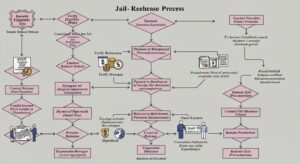
Your release from jail commences once Denver VIP Bail Bonds successfully transmits the bond payment and all required documentation to the detention center, and the facility staff confirm receipt. The subsequent processing typically involves verifying your identity, checking for any outstanding warrants or additional legal holds, preparing and signing release paperwork, and finally, coordinating your pick-up or transport. Each of these steps can range from a few minutes to several hours, depending on the facility’s staffing levels and current inmate volume. For many county jails, a release can take an average of 2-6 hours from bond confirmation, though after-hours or weekend processing may introduce further delays. Understanding this sequence is vital for planning your pick-up and minimizing confusion at the jail. Providing accurate booking and case identifiers to both the facility and our team at Denver VIP Bail Bonds will significantly expedite verification and reduce potential errors.
Intro: The following numbered list outlines the typical administrative steps involved in most facility releases:
Bond payment and documentation confirmed by Denver VIP Bail Bonds with the detention center.
Jail staff verify identity and clear any outstanding holds or warrants.
Preparation and signing of all necessary release paperwork, including liability forms.
Physical release from custody and coordination of pick-up or transport arrangements.
This step-by-step breakdown clarifies how administrative actions directly influence the time until release and underscores the importance of providing precise booking details when communicating with Denver VIP Bail Bonds or the facility.
Factors Influencing Your Release Time After Bail Is Posted
Several variables can impact the speed of your release once a bond has been posted, each affecting the operational flow at the detention center or court. Staffing shortages and administrative backlogs are common culprits for increased wait times. Furthermore, the presence of outstanding warrants, immigration holds, or transfer orders will prevent immediate release until these issues are fully resolved. The time of day and whether it’s a holiday also play a significant role—processing during off-peak hours or weekends often leads to longer discharge times, even after funds are verified. Proactively identifying these factors and communicating booking numbers and facility names to Denver VIP Bail Bonds can help reduce uncertainty and potentially accelerate processing by enabling staff to quickly verify records.
How Different Facilities Manage Post-Bail Release
While county jails, city lockups, and state detention centers share fundamental release procedures, they often differ in their release windows, paperwork protocols, and transport logistics, which can alter the expected timeline. County jails typically have more predictable release windows during standard business hours and well-established procedures for bondsman-initiated releases. City jails, while sometimes faster for local arrests, may have limited staff available after hours or on weekends. State-level facilities often require more extensive coordination across various jurisdictions, which can significantly lengthen release times. Knowing the specific type of facility where the defendant is held and relaying this information to Denver VIP Bail Bonds allows our team to follow facility-specific procedures and provide a more realistic release timeline. Direct communication with Denver VIP Bail Bonds or the facility, armed with clear booking identifiers, can help shorten the wait and clarify next steps.
Facility Type
Typical Release Time
Notes
County Jail
2–6 hours (business hours)
Generally predictable; may be slower after hours/weekends
City Jail / Lockup
1–8 hours
Often quicker for local arrests; limited weekend staffing
State Detention Center
4–24+ hours
Complex transfers and multi-jurisdictional checks can extend time
Understanding these facility-specific timelines helps you set realistic expectations for pick-up and coordinate effectively with Denver VIP Bail Bonds, who are familiar with local processing norms. The table illustrates typical ranges and the reasons for variations.
Key Terms in Your Bail Bond Agreement Explained
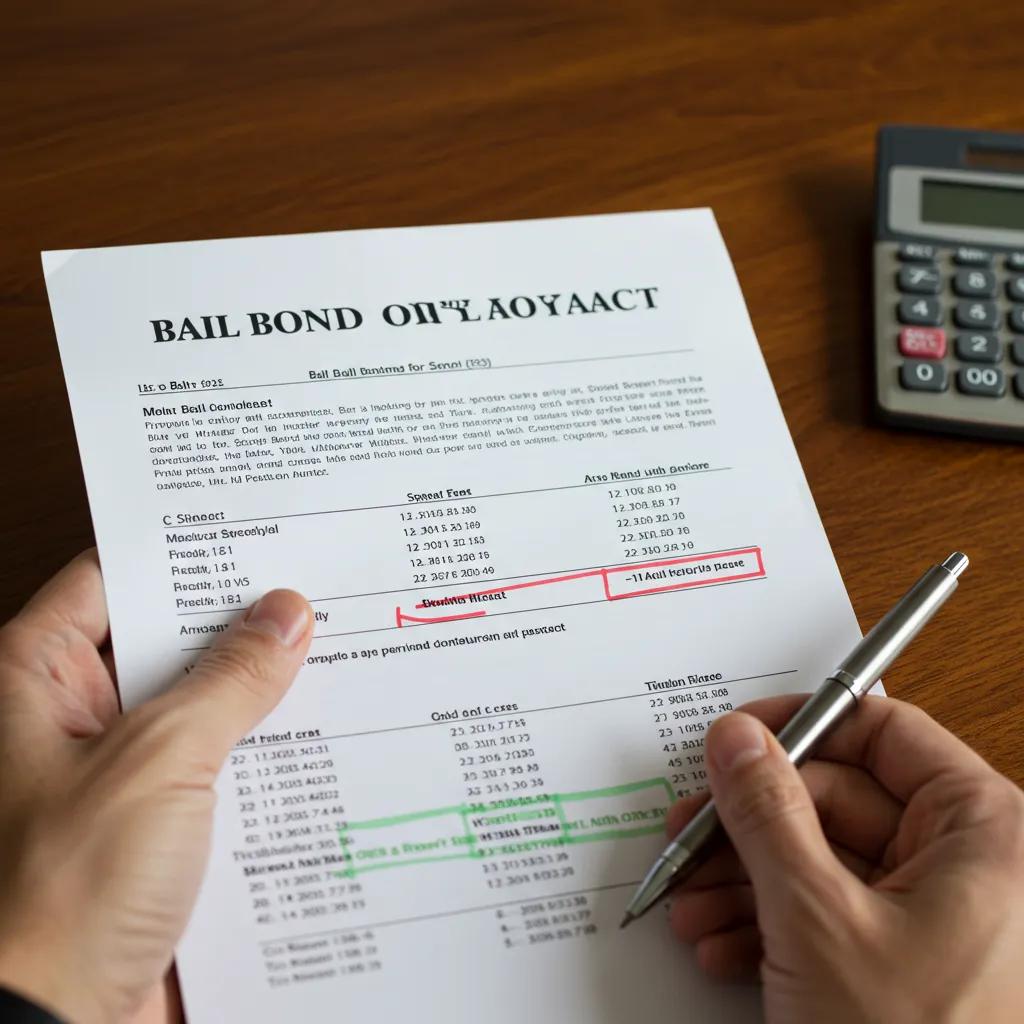
A bail bond agreement is a legally binding contract that outlines the responsibilities of Denver VIP Bail Bonds, the defendant, and often a co-signer, securing the bond through premium payments and, frequently, collateral. Fundamentally, the premium is the non-refundable fee for our service, collateral serves to mitigate our financial risk, and specific conditions detail the defendant’s obligations to maintain the bond’s validity. A clear understanding of these core terms is essential to avoid surprises, clarify financial responsibilities, and identify actions that could lead to forfeiture or collateral seizure. The following subsections define standard contractual clauses, explain the role of collateral as security, and clarify which fees are typically non-refundable and why.
Conditions and Responsibilities in a Bail Bond Contract
Bail bond contracts universally stipulate that the defendant must attend all scheduled court appearances, adhere to specific behavioral conditions, and maintain regular communication with Denver VIP Bail Bonds. These conditions are put in place to protect our surety and ensure compliance with court orders. Common obligations include appearing at every hearing, avoiding contact with certain individuals as mandated by the court, respecting travel restrictions, and promptly reporting any changes in status to Denver VIP Bail Bonds. Failure to comply with these terms can trigger recovery actions. The rationale behind these conditions is to minimize flight risk and reduce the financial exposure of our team, who have guaranteed the defendant’s release. Understanding and diligently following these responsibilities is crucial for minimizing the risk of bond forfeiture and strengthening your ability to navigate your case while out of custody.
Intro: The list below summarizes common contractual responsibilities and their significance:
Mandatory court appearances: This is the paramount requirement for maintaining the bond’s validity.
No-contact or protective orders: Rules designed to prevent further charges or potential harm.
Travel limits and check-ins: Controls implemented to monitor the defendant and mitigate flight risk.
Adhering to these conditions safeguards your bond status and prevents escalation to forfeiture or revocation, making consistent and reliable communication with Denver VIP Bail Bonds indispensable.
How Collateral Secures Your Bail Bond
Collateral, which can include cash, property pledges, or other valuable assets, serves to secure Denver VIP Bail Bonds’ financial risk in the event the defendant fails to fulfill their contractual obligations. It functions as a lien or hold on the asset until the bond is officially discharged by the court. Our team meticulously documents collateral through signed agreements or, for real estate, deeds of trust, which remain in effect until the court exonerates the bond and all administrative steps to release the lien are completed. If the bond is forfeited due to noncompliance, Denver VIP Bail Bonds may be compelled to liquidate the collateral or pursue legal remedies to recover costs, highlighting why accurate valuation and clear documentation are paramount. Understanding how collateral is recorded and the specific conditions for its release helps both defendants and co-signers plan and protect their assets throughout the legal process.
Term
Definition
Why it matters
Premium / Fee
Non-refundable service charge paid to Denver VIP Bail Bonds
Covers underwriting, risk assessment, and operational costs; typically not returned
Collateral
Cash, property, or other assets pledged to secure the bond
Protects Denver VIP Bail Bonds from financial loss if the bond is forfeited
Indemnity Clause
A legal promise to reimburse Denver VIP Bail Bonds for any losses incurred
Enables recovery actions against the indemnitor if the defendant absconds or defaults
This table defines key contract terms in clear language and explains their practical implications for defendants and co-signers.
Non-Refundable Fees and Their Justification
The premium paid to Denver VIP Bail Bonds for posting a surety bond is generally non-refundable because it represents the fee for assuming the financial risk associated with guaranteeing a defendant’s court appearance, rather than a deposit held in trust. In contrast, cash bail paid directly to the court is refundable if the defendant meets all conditions. The premium, however, is compensation for the service provided, covering underwriting costs, operational expenses, licensing requirements, and the inherent risk exposure undertaken by our team. Understanding this fundamental distinction between refundable court deposits and non-refundable premiums is crucial for managing expectations and making informed financial decisions regarding collateral and payment options when securing a bond.
Immediate and Ongoing Responsibilities After Posting Bail
Upon release on a bail bond, taking immediate action and maintaining disciplined ongoing compliance are critical to protecting your bond and effectively preparing your defense. This includes confirming all court dates, promptly contacting your legal counsel, and securing necessary housing and transportation. The mechanism for compliance is straightforward: meticulously document all obligations, strictly adhere to any court-imposed restrictions, and maintain open and clear communication channels with both Denver VIP Bail Bonds and your attorney to ensure any issues can be resolved swiftly. Such diligence significantly reduces the likelihood of bail forfeiture and supports a stronger defense strategy through timely preparation and evidence gathering. If you require urgent bail bond services to meet conditions or address complications, please refer to How Can You Get Urgent Help from Denver VIP Bail Bonds After Posting Bail? for specific guidance and contact readiness.
Preparing for Mandatory Court Appearances
Effective court preparation involves a structured approach: confirm all dates with the court clerk, arrange transportation with ample time buffers, and gather all necessary documents with your attorney well in advance of each hearing. Practical steps include entering all court dates into multiple calendars, securing reliable transportation early, assembling your case files and identification, and conducting a pre-hearing review with your counsel to anticipate questions and evidence needs. These preparations not only reduce the risk of missed appearances but also demonstrate reliability to the court, which can be advantageous for bond considerations. Consistent preparation and communication with your attorney also instill confidence in Denver VIP Bail Bonds regarding your continued compliance and protect collateral interests.
Intro: Use this checklist to prepare for every court date and ensure your timely attendance:
Confirm the hearing time and courtroom with the court clerk at least one week prior.
Arrange reliable transportation and allocate extra time for security checks or unexpected delays.
Bring valid identification, all court paperwork, and any documents requested by your attorney.
Adhering to this checklist enhances punctuality and helps maintain good standing with both the court and Denver VIP Bail Bonds, thereby reducing the chances of inadvertent violations.
Common Bail Bond Conditions You Must Follow
Typical bail conditions often include attending every court appearance, strictly obeying no-contact orders, adhering to travel restrictions, and sometimes submitting to periodic check-ins or electronic monitoring. These conditions are specifically tailored to your case and the court’s assessment of your risk level. Diligent compliance demonstrates good faith, which can positively influence pretrial decisions. Violating these conditions frequently leads to swift intervention from Denver VIP Bail Bonds and potential bond revocation, which can be costly and disrupt your defense planning. Understanding the common conditions and their underlying rationale makes it easier to comply and to seek clarification from Denver VIP Bail Bonds or your attorney if any condition is unclear.
Effective Communication with Denver VIP Bail Bonds and Your Attorney
Maintaining effective communication with Denver VIP Bail Bonds and your attorney means promptly sharing updates, meticulously documenting all interactions, and understanding which issues require the attention of each party. This approach minimizes confusion and enables swift remedial action when problems arise. In every communication, provide essential identifiers such as your case number, booking date, defendant’s full name and date of birth, and current location, allowing the recipient to act immediately. Keep concise written records of conversations and confirmations. Contact your attorney for legal strategy and advice, and Denver VIP Bail Bonds for bond-specific administrative matters. Maintaining records, such as a call log or saved messages, helps resolve disputes and provides proof of compliance. Clear, routine communication builds trust and allows both professional parties to coordinate effective support throughout your case.
Consequences of Missing Court or Violating Bail Conditions
Missing a scheduled court date or violating any bail conditions initiates a serious legal sequence that can include the issuance of a bench warrant, bail forfeiture, and potential re-arrest. These outcomes significantly increase your financial exposure and complicate the resolution of your case. The mechanism typically involves a missed appearance leading to a bench warrant, followed by a possible motion for forfeiture by the court. After this, Denver VIP Bail Bonds may pursue remedies such as requiring a new bond or seeking collateral recovery. Taking immediate remedial steps—such as contacting Denver VIP Bail Bonds and your attorney, arranging a voluntary surrender if advised, and seeking exoneration motions—can help mitigate these severe consequences. The following subsections detail the sequence of consequences, available remediation options, and the triggers for bond revocation and re-arrest.
Consequences of Missing a Court Date
When a defendant fails to appear for a court date, the court typically issues a bench warrant for their arrest and may initiate a timeline for bond forfeiture, which exposes the bondsman to significant financial loss. Forfeiture procedures vary by jurisdiction but often involve the court entering an order and setting a period during which the defendant can be returned to custody or the bond exonerated. Failure to act within this period can lead to the loss of collateral or intensified recovery efforts. A bench warrant also substantially increases the likelihood of immediate re-arrest during routine traffic stops or identification checks, and it can severely complicate plea negotiations or sentencing. Immediate contact with your legal counsel and Denver VIP Bail Bonds is essential to discuss options such as voluntary surrender or motions to recall the warrant.
Rectifying Bail Forfeiture or a Bench Warrant
Rectifying a bail forfeiture or a bench warrant typically begins with contacting Denver VIP Bail Bonds and your attorney to evaluate available remedy options. These may include paying a reinstatement fee, arranging a voluntary return to custody, or filing a motion to recall the warrant and exonerate the bond. Our team may have contractual remedies that permit them to post a new bond or pursue recovery through collateral liquidation or, if permitted by law and contract, through a bounty agent. The timeline for correction is dependent on court procedures, and immediate action often reduces financial penalties and the risk of re-arrest. Coordinating closely with counsel can establish a legal pathway to minimize long-term consequences. Understanding these remediation steps in advance improves your readiness should a missed date occur.
Intro: The numbered actions below describe common remediation steps when a warrant or forfeiture arises:
Contact your attorney immediately to discuss legal motions and request court intervention.
Notify Denver VIP Bail Bonds to determine if reinstatement or a new bond is possible and what costs apply.
Consider voluntary surrender or a negotiated court appearance to demonstrate cooperation and seek bond exoneration.
Taking these steps promptly can often limit financial and legal fallout and demonstrates good faith to both the court and your surety.
Triggers for Bail Bond Revocation and Re-Arrest
Bail bond revocation and subsequent re-arrest are typically prompted by new criminal charges, repeated violations of bond conditions, or evidence suggesting the defendant has absconded or poses an elevated flight risk. Denver VIP Bail Bonds possesses legal remedies that may include locating and surrendering the defendant to authorities or initiating civil recovery actions against co-signers and collateral. Concurrently, courts may revoke release and order re-arrest upon motion. Understanding common triggers—such as new violent charges, multiple missed check-ins, or breaches of protective orders—helps defendants avoid conduct that jeopardizes their release. Proactive communication with counsel and Denver VIP Bail Bonds at the earliest signs of trouble can sometimes prevent formal revocation by negotiating alternative compliance measures.
Bail Bond Release and Collateral Return After Case Resolution
Once the court reaches a final disposition in your case, the bond discharge process commences with a court order or clerk entry indicating the resolution. Denver VIP Bail Bonds and the court then undertake administrative steps to release the surety’s obligation. Mechanically, the court issues a discharge or exoneration order, our team confirms and files any necessary documentation, and collateral liens are released according to jurisdictional procedures. Timelines for collateral return can vary significantly due to administrative backlogs, court clerk processing speeds, and specific lien release protocols. Understanding the expected actions helps reduce uncertainty about when your assets will be freed. The subsections below explain the bond discharge process, anticipated collateral procedures, and why premiums remain non-refundable.
The Process for Bail Bond Discharge
The bail bond discharge process begins when the court enters a final disposition—whether it’s a dismissal, a plea agreement, or a verdict—which legally terminates the bond obligation and triggers administrative actions to exonerate the surety. The court clerk typically generates an order or docket entry confirming the discharge. Denver VIP Bail Bonds then verifies this entry and requests formal release documentation if required by local procedures. Administrative delays at the court or misfiled paperwork can sometimes postpone the official discharge notice, so our team often monitors case dockets and follows up to expedite documentation. Understanding these steps helps defendants and co-signers know what to expect and whom to notify once the case concludes.
Outcome
Responsible Party
Expected Timeline
Case disposition entered
Court clerk
Immediate to 14 days (subject to court backlog)
Formal discharge / exoneration filed
Denver VIP Bail Bonds files confirmation with court
7–30 days typical
Collateral lien release
Denver VIP Bail Bonds and county recorder (if property)
14–90 days (depending on recording processes)
This table clarifies who performs each administrative step and the typical timeframes for final discharge and collateral actions, helping to set realistic expectations for asset release.
When and How Collateral Is Returned
The return of collateral requires verification that the bond has been officially discharged and that all claims or liens held by Denver VIP Bail Bonds have been satisfied. Our team then executes the necessary release paperwork and proceeds to return cash or record lien releases for property. For cash collateral, the administrative timeline is generally shorter after the bond is exonerated, though check processing and specific agreements with Denver VIP Bail Bonds will determine the exact timing. For property used as collateral, recording offices and lien satisfaction processes often take longer, requiring formal deeds of reconveyance or releases to be filed and recorded, which extends the overall timeline. Promptly providing any required identification or signatures will expedite the return process, and maintaining contact with Denver VIP Bail Bonds helps minimize unnecessary delays.
Why Bondsman Fees Remain Non-Refundable
Bondsman fees, commonly referred to as premiums, are non-refundable because they compensate Denver VIP Bail Bonds for underwriting and assuming the financial risk associated with posting a bond. This fee is not a deposit but rather payment for a service rendered. It covers operational costs, regulatory compliance, and the transfer of immediate financial exposure to Denver VIP Bail Bonds, justifying its retention even when a case resolves favorably. While cash bail paid directly to the court may be refunded after resolution, the premium paid to Denver VIP Bail Bonds covers the guarantee service and administrative overhead, and is therefore treated differently under law and in practice. Recognizing this distinction is crucial for informed financial planning when choosing bail options and discussing collateral arrangements with our team.
Frequently Asked Questions About the Post-Bail Process
Individuals frequently inquire about the possibility of bond revocation after release, the differences between surety bonds and cash bail, and what steps to take if a case extends beyond initial expectations. Each of these questions carries direct implications for planning and compliance. Addressing these common queries helps defendants and co-signers make informed decisions promptly and reduces the risk of inadvertent missteps. The answers provided below offer concise, actionable guidance that connects back to court obligations, bond mechanics, and practical management strategies for cases that may become prolonged.
Can a Bail Bond Be Revoked After Release?
Yes, a bail bond can indeed be revoked after release if the court or Denver VIP Bail Bonds determines that the defendant has violated conditions, committed new crimes, or poses an elevated flight risk. In such situations, immediate steps should focus on contacting legal counsel and our team to evaluate legal defenses or mitigation strategies. Revocation typically follows a court motion, evidence of new offending behavior, or repeated noncompliance, and may lead to re-arrest and forfeiture procedures. Acting quickly to communicate with Denver VIP Bail Bonds and your attorney can sometimes prevent formal revocation by negotiating alternative compliance measures.
Surety Bonds vs. Cash Bail: What’s the Difference?
Surety bonds involve Denver VIP Bail Bonds posting a bond on the defendant’s behalf in exchange for a non-refundable premium and, often, collateral. In contrast, cash bail requires the defendant or a third party to deposit the full bail amount directly with the court, with the potential for a full refund after the case resolution. The core distinction lies in cost and refund ability: surety bonds require a premium (which is not refunded) but free up significant cash by avoiding the need to tie up the full bail amount. Cash bail is refundable but demands upfront liquidity for the entire sum. Operationally, surety bonds transfer immediate financial risk to Denver VIP Bail Bonds, whereas cash deposits remain with the court until the case concludes. The choice between the two depends on your liquidity, risk tolerance, and collateral availability.
What to Do If Your Case Takes Longer Than Expected
If your case extends beyond initial expectations, it is crucial to maintain active communication with both Denver VIP Bail Bonds and your attorney, meticulously document compliance with all conditions, and plan for transportation and financial needs associated with extended court schedules. Regular check-ins, updated contact information, and copies of court filings help prevent misunderstandings that could lead to violations or forfeiture. Keep a clear log of appearances and correspondence to demonstrate compliance. If your circumstances change—such as a relocation or job change—notify both Denver VIP Bail Bonds and counsel immediately to secure necessary approvals or amend conditions. Long-term planning protects your collateral and keeps our team informed, allowing us to continue supporting your release status effectively.
Urgent Assistance from Denver VIP Bail Bonds After Posting Bail
When urgent problems arise—such as receiving notice of a bench warrant, experiencing a new arrest, or having confusion about your bond conditions—knowing when and how to contact Denver VIP Bail Bonds, and what information to provide, will significantly speed up intervention. Our team can coordinate with your counsel, post emergency bonds where permissible, or advise on steps to avoid forfeiture, depending on the specific situation. Our primary role is to manage the surety obligations and operational logistics, allowing the defendant’s legal team to focus entirely on defense. The subsections below detail urgent scenarios, the precise information you should have ready, and the typical support services Denver VIP Bail Bonds provides.
When to Contact Denver VIP Bail Bonds for Immediate Assistance
Contact Denver VIP Bail Bonds immediately in any of these urgent scenarios to trigger fast remedial action and reduce the risk of forfeiture or re-arrest. Our immediate response can include verifying court filings, coordinating voluntary surrender, or posting emergency bonds if allowed by contract and law. Early notification often leads to better outcomes. Waiting can result in missed windows for corrective pleadings or reinstatement motions and increases the risk that administrative deadlines will pass. Prompt contact ensures Denver VIP Bail Bonds can mobilize resources and coordinate with counsel to protect both the defendant and the co-signer.
Notice of a bench warrant: Immediate contact enables planning for motions or voluntary surrender.
New arrest or additional charges: Early notification allows Denver VIP Bail Bonds to assess exposure and options.
Problems with collateral documentation: Quick communication prevents administrative holds or delays.
Calling immediately in these situations helps all parties act before the court moves to final forfeiture or other irreversible steps.
Information to Have Ready When Calling Denver VIP Bail Bonds
Having a concise set of identifying details ready will significantly speed up Denver VIP Bail Bonds’ ability to locate records and act effectively. This data reduces errors during high-stress moments. Be prepared to provide the defendant’s full name and date of birth, booking number and booking facility, case number and court location, the date and nature of any notice received, and details about collateral or co-signers. Also, note the current physical location of the defendant and any immediate medical or safety concerns, as these factors influence response options and urgency. Preparedness improves our capacity to coordinate with courts and counsel and often shortens resolution times.
Intro: The checklist below lists the exact items to gather before calling Denver VIP Bail Bonds:
Defendant full name and DOB: Primary identifier for locating records.
Booking/case number and facility: Enables quick record look-up.
Details of notice or incident: Bench warrant, new charges, or reasons for a hold.
Collateral/co-signer information: Clarifies financial exposure and documentation.
Recording these details ahead of a call empowers Denver VIP Bail Bonds to respond rapidly and appropriately.
How Denver VIP Bail Bonds Supports You Throughout Your Case
Denver VIP Bail Bonds services typically offer 24/7 availability for emergencies, coordination with attorneys and courts, and administrative support such as paperwork management and guidance on collateral return processes. We can post bonds in urgent situations if contractually allowed, work with counsel to arrange voluntary surrender or reinstatement, and advise co-signers about documentation and risk exposure. While response times and specific services may vary by provider and jurisdiction, routine check-ins and clear record-keeping significantly improve outcomes and reduce surprises. Knowing the full scope of Denver VIP Bail Bonds’ support helps defendants and families plan for contingencies and coordinate a cohesive response with legal counsel.
Intro: Common support services offered by Denver VIP Bail Bonds include the following:
24/7 emergency response: Immediate mobilization for bench warrants or arrests.
Court and attorney coordination: Administrative liaison to file documents or request hearings.
Collateral and paperwork guidance: Assistance with liens, releases, and documentation.
Understanding these services clarifies expectations and ensures you reach the right resource when time-sensitive issues arise.
Call Denver VIP Bail Bonds Now
Why Choose Denver VIP Bail Bonds?
At Denver VIP Bail Bonds, we recognize that navigating the bail process can be an incredibly stressful and confusing experience. Our unwavering commitment extends far beyond simply posting a bond; we are dedicated to providing compassionate, professional, and discreet service to support you or your loved one through every single step. With our deep local knowledge of Denver-area courts and facilities, we guarantee a smooth and efficient process, always prioritizing your peace of mind.
Our agents are available around the clock, possessing in-depth knowledge of Denver’s specific legal procedures and jail systems.
24/7 Local Expertise
We treat every client with the utmost respect and understanding, offering clear guidance and unwavering support during challenging times.
Compassionate Support
Your privacy is our highest priority. We handle all information and transactions with the strictest discretion and security protocols.
Confidential & Secure
Commercial BailBonds Versus Alternative Release Mechanisms and Bond ForfeitureThese include attorney bonds, cashbonds, commercial bailbonds, and release through a pretrial services agency. Methods: A multi-treatment propensity score matching protocol was utilized to evaluate differences between release mechanisms in the conditional probability of failure to appear/bond forfeiture. Data were extracted from archival state justice records encompassing all defendants booked into the Dallas County, Texas jail during 2008 (n = 29,416). Results: The findings indicate that defendants released via commercial bailbonds were less likely to experience failure to appear, leading to the bond forfeiture process, compared to equivalent defendants released via cash, attorney, and pretrial services.The link between bond forfeiture and pretrial release mechanism: The case of Dallas County, Texas, SJ Clipper, 2017


 English










































































































































































































































































































































































































































































































































































































































































































































































































































































































































































































































































































































































































































































































































































































































































































































































































































































































 Securing a bail bond through Denver VIP Bail Bonds is a crucial step towards regaining your freedom while awaiting trial. Our licensed agents facilitate your pretrial release by posting a surety bond, allowing you to return home and prepare your defense. This guide is designed to walk you through the entire post-bail journey, from understanding the immediate release procedures and typical timelines to fulfilling your court obligations and ensuring the smooth return of any collateral. We’ll cover practical advice for the hours and days following release, clarify contract terms, and explain how and when collateral is returned. With clear explanations, lists, and tables, we aim to make the process transparent and manageable. If you require urgent assistance after posting bail, please refer to the immediate guidance provided below and contact Denver VIP Bail Bonds with your case details without delay.
 A bail bond agreement is a legally binding contract that outlines the responsibilities of Denver VIP Bail Bonds, the defendant, and often a co-signer, securing the bond through premium payments and, frequently, collateral. Fundamentally, the premium is the non-refundable fee for our service, collateral serves to mitigate our financial risk, and specific conditions detail the defendant’s obligations to maintain the bond’s validity. A clear understanding of these core terms is essential to avoid surprises, clarify financial responsibilities, and identify actions that could lead to forfeiture or collateral seizure. The following subsections define standard contractual clauses, explain the role of collateral as security, and clarify which fees are typically non-refundable and why.

