

 English















































































































































































































































































































































































































































































































































































































































































































































































































































































































































































































































































































































































































































































































































































































































































































































































































































































Financial Planning & Analysis Software With AI at the Core

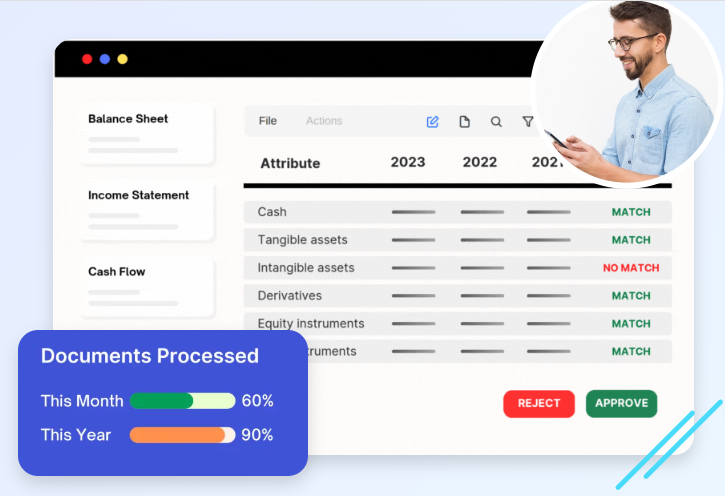
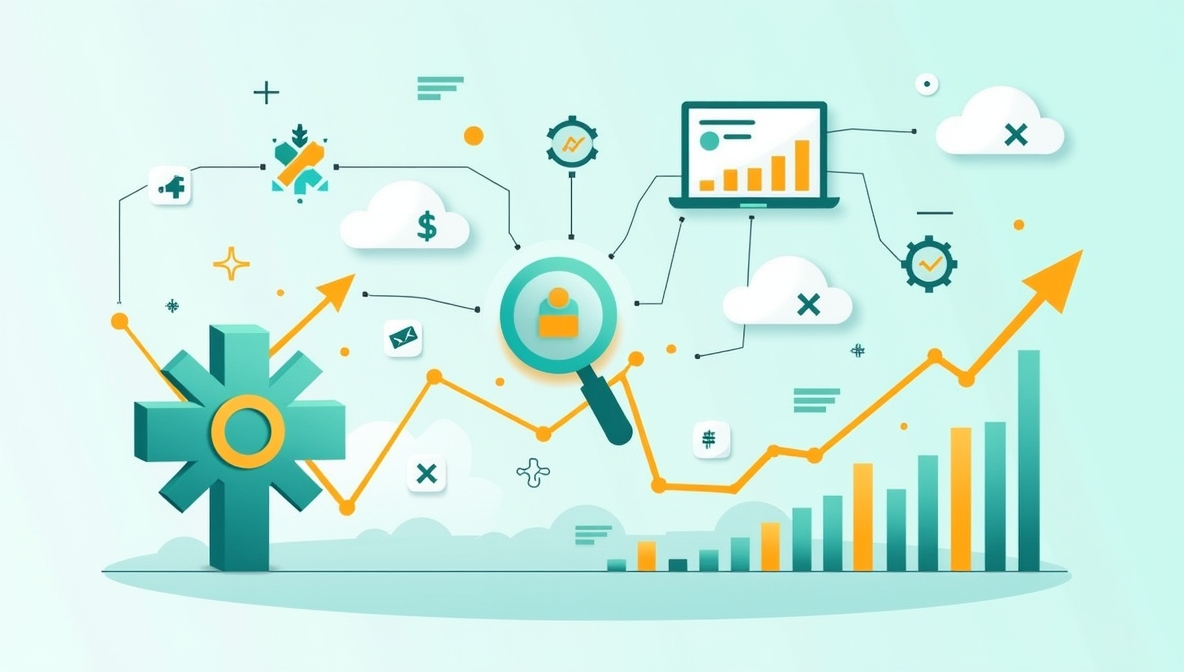
Financial forecasting once meant long afternoons with spreadsheets, manual adjustments, and last-minute edits. That process is tired. Finance teams need tools that cut through the noise and deliver precise forecasts, scenario tests, and reliable performance trends in real-time. AI-powered financial planning & analysis software does this by transforming raw data into structured, actionable results with far less human effort.
Every finance professional feels the pressure of tighter timelines. Data arrives late. Assumptions shift, expectations for accuracy rise. You want tools that help you stay ahead. You want forecasts you can trust and explanations you can present with confidence. That is where automation matters.
Why Traditional Financial Planning & Analysis Falls Short?
Traditional planning tools require repetitive tasks, such as copying numbers, formatting, and reconciling data across systems. Teams waste hours each week on these chores. Errors creep in. Budgets become outdated before they are final. And strategic time shrinks.
Finance leaders often ask: how do we reduce manual work without losing control? The answer lives in systems that handle tedious pieces automatically, without losing context or precision.
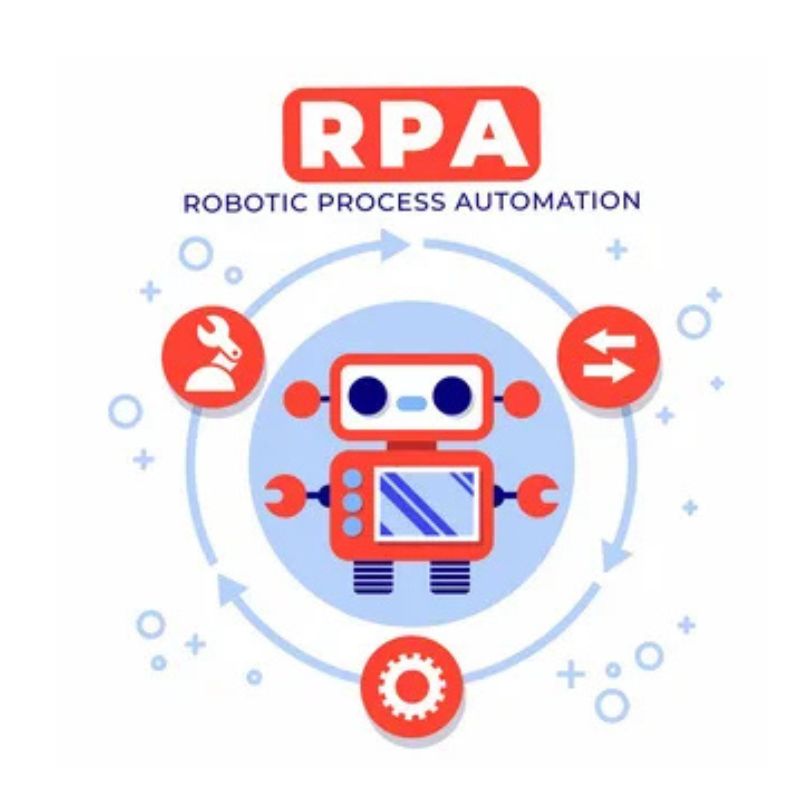
Financial planning & analysis software streamlines key steps of financial planning, eliminating the need for analysts to reformat, rekey, or repeat tasks. It mines data from accounting systems, planning tools, and operational sources, then standardizes values so the downstream work is consistent and ready for insight.
What AI Brings to FP&A Software?
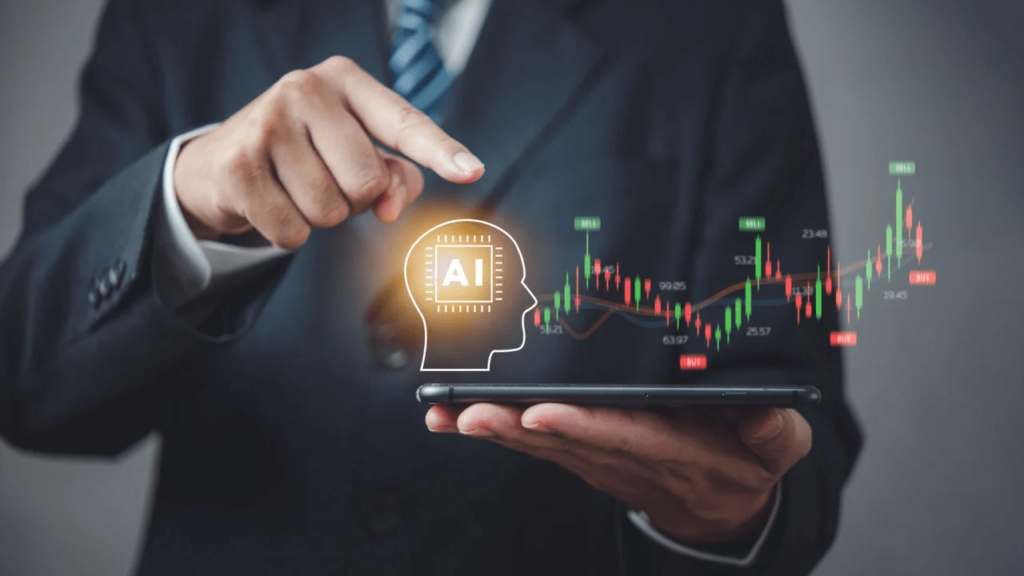
AI’s role extends beyond automation of mundane tasks. It adds forecasting strength, variance interpretation, scenario testing, and anomaly detection straight into your workflows. Machine learning models learn from history but remain flexible in response to current conditions. So when conditions change, forecasts adjust more naturally. Here are common ways AI improves planning:
- Automated data integration from ERP, CRM, and legacy systems.
- Advanced forecasting that uses both internal trends and external signals.
- Instant scenario simulation to examine “what if” outcomes.
- Built-in variance analysis that highlights proper drivers of performance.
- Faster anomaly detection that flags unexpected movements the moment they appear.
These capabilities enable you to transition from reactive budgeting to proactive planning.
How Predictive Forecasting Enhances Decision Quality?
Prediction is where analysis becomes strategy. You need models that extend beyond the next quarter. You need patterns, indicators, and forward-leaning projections that help shape decisions now.
AI models integrate multiple influences simultaneously. They compare revenue trends with seasonality and expense variances, and incorporate relevant external signals to inform their analysis. Instead of a single linear forecast, you get a spectrum of probable outcomes. This means you can plan for several realistic futures, not just one.
Planning suites with this depth gives you confidence when talking to stakeholders. They help you show why a forecast changed and how key assumptions affect results.
Enhancing Accuracy and Reducing Errors
AI excels when it has large data sets and consistent processes to learn from. In financial planning & analysis software, this produces outputs that avoid common human errors and deliver repeatable quality.
People often make mistakes when they are tired, distracted, or in a rush. Machines do not. When AI executes tasks such as data ingestion, classification, and forecasting, you get results rooted in structure, not subject to fatigue. Reliable processes free teams to focus on interpretation and strategy. Finance becomes less clerical and more analytical.
Supporting Risk Detection and Compliance
AI is also improving risk awareness. Outliers, spending anomalies, trend reversals, and unexpected cost pressures emerge more quickly when a system continuously scans through data. This early detection enables teams to act before minor issues escalate into problems.
Operating under regulatory pressure makes this even more critical. Automated checks and documentation trails help you maintain strong audit readiness and internal governance.
Measurable Value for Modern Finance Teams
Adopting AI-powered financial planning & analysis software changes how teams operate daily. Analysts save time, managers review results faster, and leaders gain clarity on decisions with richer context. This shifts finance from a reporting unit to a planning partner.
Business impact becomes visible quickly. Organizations see shorter planning cycles, faster variance explanations, and more credible forecasts. That’s measurable performance improvement aligned with strategic priorities.
Clear Next Step for Better Financial Planning
Financial planning & analysis software with strong AI capabilities can reshape how you plan, forecast, and guide the business forward. You do not need to choose between accuracy and speed. You can have both.
When you are ready to accelerate planning cycles and improve forecast confidence, explore solutions that bring AI into every step of your financial processes. Turn routine tasks into automated workflows and real insights into informed decisions.
Experience how AI-centered financial planning & analysis software can transform your planning cycles and forecasting accuracy. Start with a demo that fits your workflow and see results in real-time.