

 English















































































































































































































































































































































































































































































































































































































































































































































































































































































































































































































































































































































































































































































































































































































































































































































































































































































































3 Untold Secrets to a Thriving Salesforce Customer Porta


Salesforce Customer Portals are revolutionizing the way businesses interact with customers. They enable customers to manage their accounts, track support tickets, access valuable knowledge, and even make purchases— all without the need for direct contact with support teams. This self-service convenience has made portals a cornerstone of modern customer service. But despite the many benefits, many businesses fail to unlock the full potential of their Salesforce Customer Portal.
So, what are you missing out on? In this post, we’ll uncover three untold secrets that could transform your Salesforce portal into a thriving hub of engagement, efficiency, and customer satisfaction.
1. Personalized Experiences for Every Customer
The Secret:
One of the most powerful features of a Salesforce Customer Portal is its ability to deliver personalized experiences. Yet, many businesses overlook this. Personalization goes far beyond simply displaying customer names. By leveraging the rich data Salesforce collects, businesses can create tailored experiences that improve customer satisfaction and drive engagement.
Why It Matters:
Personalized experiences make customers feel valued and understood. When a portal delivers content, product recommendations, or support options tailored to the individual’s needs, it improves their overall experience. A personalized customer portal creates an environment where customers can effortlessly navigate and find exactly what they need, when they need it.
How to Make It Happen:
-
Customer Profiles: Use Salesforce’s data to create robust customer profiles that store preferences, past interactions, and product interests. These profiles help you customize the portal experience for each customer.
-
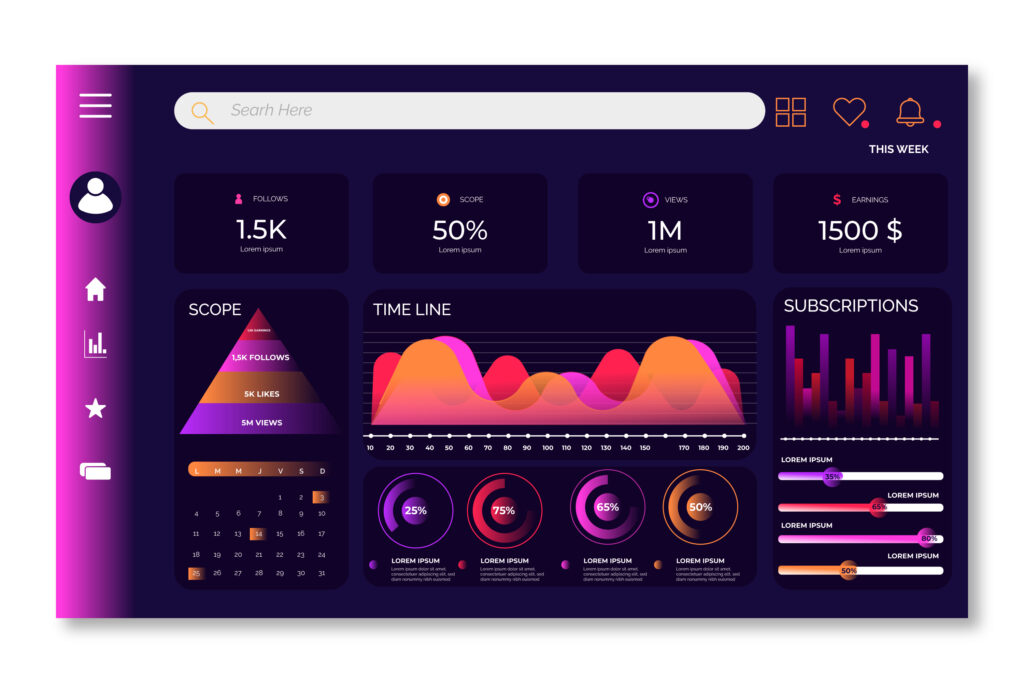
Dynamic Dashboards: Customize dashboards that reflect the customer’s history with your business. Show them relevant data, such as open support tickets, recent purchases, and upcoming renewals.
-
Targeted Content & Recommendations: Use AI and Salesforce’s data capabilities to recommend products, services, or content based on a customer’s behavior, preferences, and purchase history.
By implementing these features, you can create a portal that doesn’t just serve as a support tool but as a personalized experience that nurtures customer loyalty and satisfaction.
2. Self-Service That Truly Empowers Customers
The Secret:
Self-service is the core of any successful customer portal. But, for many businesses, the portal is simply a place to view ticket statuses or check account balances. This limited functionality does not unlock the full power of self-service. The true secret to a thriving Salesforce Customer Portal is offering customers the ability to resolve issues, learn, and make decisions independently — empowering them to take control of their journey.
Why It Matters:
Customers increasingly prefer solving their own problems over waiting for support, and studies show that a seamless self-service experience can drive customer satisfaction. When customers can solve their own problems quickly, they feel more in control and are less likely to experience frustration. This leads to faster issue resolution, lower support costs, and better overall customer satisfaction.
How to Make It Happen:
-
Knowledge Base and FAQs: Create a comprehensive knowledge base that is easy to search and navigate. Include step-by-step guides, video tutorials, and articles to address common customer issues and questions.
-
Interactive Support: Implement an interactive FAQ or chatbot that guides customers through common solutions before they even think about contacting support.
-
Case Management Tools: Allow customers to view and manage their support cases. Let them update tickets, add information, and monitor progress without having to contact a support agent.
-
Self-Service Order Management: Give customers the ability to place orders, track shipments, and make changes to their orders directly through the portal.
The more empowered your customers are to resolve issues on their own, the more likely they are to engage with the portal, reducing reliance on customer service teams and creating a positive user experience.
3. Seamless Integration with Other Systems
The Secret:
One of the most untapped secrets of a Salesforce Customer Portal is its ability to integrate seamlessly with other business systems. Salesforce is a powerful CRM, but its true potential is unlocked when it’s integrated with other systems such as billing, inventory management, marketing automation, and ERP software. This integration creates a unified platform where all customer interactions are streamlined, and real-time data is at the customer’s fingertips.
Why It Matters:
When the Salesforce Customer Portal is connected to other critical business systems, it offers customers a comprehensive, real-time view of their entire relationship with your company. They can view purchase histories, account balances, service agreements, and any other relevant data all in one place. This not only improves the customer experience but also helps your business become more agile by streamlining workflows.
How to Make It Happen:
-
Real-Time Data Syncing: Integrate your Salesforce portal with other systems to ensure that customer data is automatically updated across platforms. For example, if a customer makes a payment, their portal account should immediately reflect the change.
-
Automated Workflows: Set up automated workflows that trigger actions based on customer behavior. For example, when a customer submits a support ticket, the system could automatically update their account or notify the appropriate team member to take action.
-
Third-Party Integrations: Leverage Salesforce’s powerful API capabilities to integrate the portal with third-party tools that your business uses, such as ERP, marketing, and payment processing systems. This will provide a more cohesive experience for both customers and internal teams.
A truly integrated portal breaks down silos within your organization and creates a seamless customer experience. It’s the hidden gem that will elevate your Salesforce portal from a basic self-service tool to a robust, all-in-one customer hub.
Bonus Tip: Use Analytics to Continuously Improve the Portal
While the above secrets are crucial, there’s an additional, often overlooked aspect: using data to continually refine your Salesforce Customer Portal.
Salesforce’s built-in analytics tools provide valuable insights into how your customers are interacting with the portal. By monitoring metrics such as customer satisfaction, feature usage, and ticket resolution times, you can identify areas for improvement and make data-driven decisions to enhance the portal’s performance.
Why It Matters:
By continuously tracking how customers use your portal, you can spot trends and anticipate their needs. This allows you to proactively address issues before they become problems, ensuring that your portal remains relevant and effective over time.
How to Make It Happen:
-
Track Usage Metrics: Monitor which features are being used most frequently and identify areas where customers might be encountering friction.
-
A/B Testing: Test different layouts, content, and workflows to see what works best for your customers.
-
Customer Feedback: Solicit regular feedback from portal users to ensure that you’re meeting their needs and to gather ideas for future enhancements.
Conclusion
A thriving Salesforce Customer Portal isn’t just about providing customers with a place to check their order status or open support tickets. By focusing on personalization, empowering self-service, and leveraging seamless integration with other business systems, you can unlock the full potential of your portal and deliver an exceptional customer experience. The result? Higher customer satisfaction, improved retention, and a more efficient business operation.
Don’t miss out on the opportunity to turn your Salesforce portal into a true business asset. By implementing these untold secrets, you can take your portal from good to great and set your business apart in an increasingly competitive landscape.

