

 English






























































































































































































































































































































































































































































































































































































































































































































































































































































































































































































































































































































































































































































































































































































































































































How Businesses Can Simplify Accounts Payable Operations


Accounts payable (AP) is a critical function in any business, ensuring that invoices are processed, verified, and paid on time. However, traditional manual AP processes are often slow, error-prone, and resource-intensive. Delays in processing invoices, inaccurate data entry, and lack of visibility into the workflow can negatively impact cash flow, supplier relationships, and operational efficiency.
Simplifying accounts payable operations is essential for businesses looking to optimize financial management, reduce operational costs, and maintain positive vendor relationships. Automation and digital solutions have become game-changers in streamlining these processes, making AP faster, more accurate, and more transparent.
Understanding the Accounts Payable Workflow
Accounts payable involves a series of steps, including invoice receipt, verification, approval, and payment. While this may sound straightforward, traditional manual workflows are often complex and time-consuming. Employees must manually enter invoice data, verify amounts against purchase orders, track approval status, and ensure timely payments.
Common challenges include:
-
Delayed approvals: Waiting for managers to sign off on invoices slows down the payment process.
-
Manual errors: Data entry mistakes can result in duplicate payments, overpayments, or missed invoices.
-
Lack of transparency: Without centralized tracking, it’s difficult to know which invoices are pending or approved.
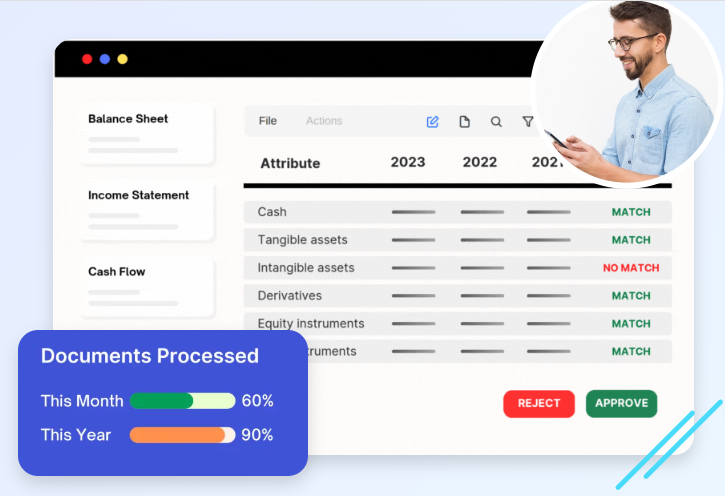
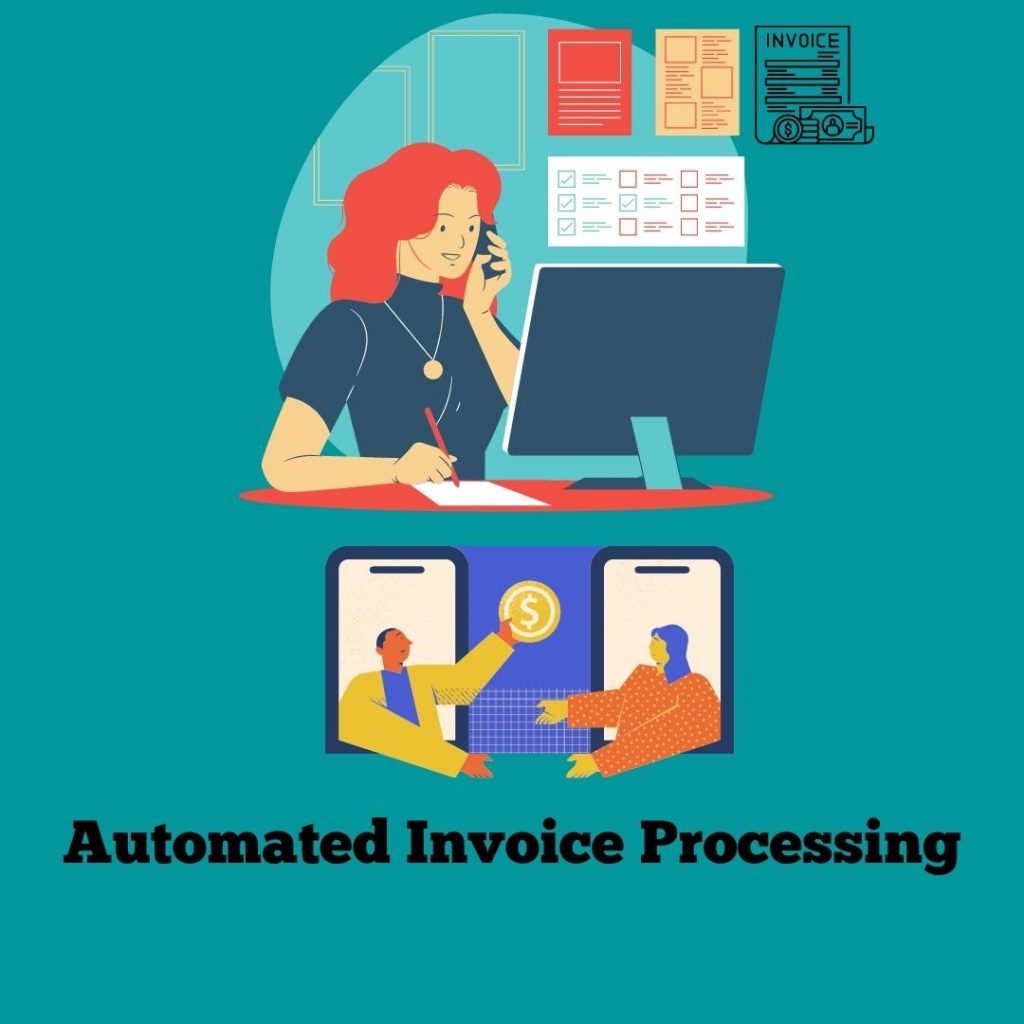
Implementing an automated invoice processing system can drastically improve efficiency by digitizing and centralizing these workflows. With automation, businesses can reduce errors, speed up approvals, and maintain complete visibility over all AP activities.
Leveraging Technology for AP Simplification
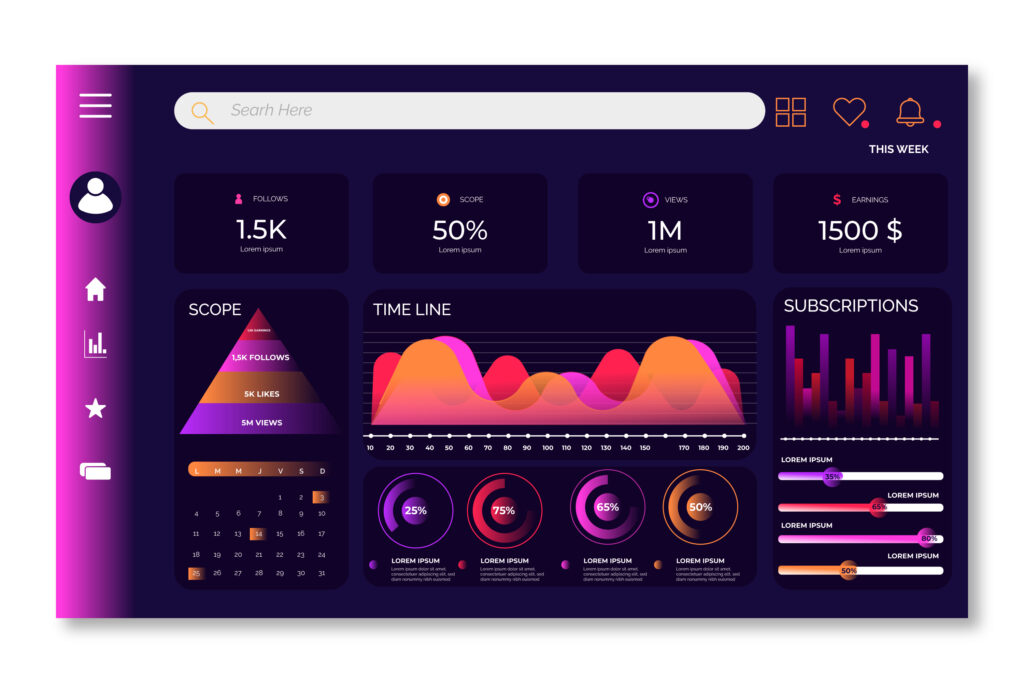
Digital solutions have revolutionized accounts payable by replacing manual, paper-based processes with automated systems. Businesses can now use centralized platforms to manage all invoices, approvals, and payments from a single dashboard.
Key benefits of adopting technology in AP include:
-
Faster processing: Automated workflows accelerate invoice approvals and reduce bottlenecks.
-
Accuracy: Digital capture and validation of invoice data minimize human errors.
-
Transparency: Real-time dashboards provide visibility into the status of every invoice.
An automated solution also ensures compliance with financial regulations and maintains audit trails, making it easier for businesses to meet reporting requirements while simplifying day-to-day operations.
Automating Invoice Processing
One of the most impactful ways to simplify AP operations is by automating invoice processing. Automated workflows handle tasks such as invoice capture, data validation, and matching with purchase orders. This eliminates the need for manual data entry and significantly reduces the risk of errors.
Businesses using an automated invoice processing system can:
-
Streamline approvals: Digital routing ensures invoices reach the right approvers quickly.
-
Ensure timely payments: Faster approvals allow businesses to take advantage of early payment discounts and avoid late fees.
-
Maintain accurate records: Automated logging and tracking of invoices improve financial reporting and auditing.
Automation also enables better scalability. As the volume of invoices increases, businesses can process more transactions without proportionally increasing staff, saving time and reducing operational costs.
Enhancing Supplier Communication and Collaboration
Effective communication with suppliers is another critical component of streamlined AP operations. Automated systems allow suppliers to receive real-time updates on invoice status, reducing the need for follow-up calls or emails.
By providing transparency, businesses can prevent disputes, resolve issues quickly, and build stronger relationships with vendors. Suppliers appreciate timely payments and clear communication, which can lead to preferential terms and long-term partnerships.
Using digital platforms for supplier collaboration ensures that invoices are submitted, verified, and approved efficiently, contributing to a smoother AP workflow. Companies integrating automated invoice processing system capabilities with supplier portals enjoy faster resolution of discrepancies and improved vendor satisfaction.
Improving Cash Flow and Financial Control
Simplifying accounts payable also has a direct impact on cash flow management. Faster invoice processing allows businesses to better forecast expenditures and maintain optimal liquidity. Companies can plan payments strategically, taking advantage of early payment discounts while avoiding penalties for late payments.
Real-time reporting and analytics from automated AP systems provide insights into outstanding liabilities, payment cycles, and budget allocations. Businesses gain control over their finances, reduce unnecessary expenses, and make informed decisions about cash management.
Overcoming Implementation Challenges
While automation brings numerous benefits, implementing new AP solutions can present challenges. Businesses should consider:
-
Staff training: Employees must understand new workflows and system functionalities.
-
Change management: Resistance to new technology is common; clear communication of benefits is essential.
-
System integration: Ensuring the automated AP solution works seamlessly with existing ERP or accounting systems is crucial.
-
Data security: Protecting sensitive financial information is a priority when moving to digital platforms.
Addressing these challenges proactively ensures a smooth transition and maximizes the advantages of automated accounts payable processes.
Future Trends in Accounts Payable Operations
The future of AP is increasingly automated and data-driven. Advanced technologies such as artificial intelligence (AI), machine learning, and predictive analytics are being integrated into AP systems. These innovations enable:
-
Smart invoice categorization and fraud detection.
-
Predictive cash flow forecasting.
-
Mobile and cloud-based access for on-the-go approvals.
Businesses adopting these trends can maintain fully automated, scalable, and efficient AP operations while staying ahead of competitors in financial management.
Conclusion
Simplifying accounts payable operations is essential for businesses seeking efficiency, accuracy, and improved supplier relationships. Automation, particularly through an automated invoice processing system, allows companies to streamline invoice capture, approvals, and payments while reducing errors and operational costs.
By leveraging technology, enhancing supplier communication, and gaining better control over cash flow, businesses can optimize their AP workflows and achieve long-term financial benefits. Embracing automation ensures a more reliable, scalable, and efficient accounts payable process that supports business growth and strengthens vendor partnerships.