

 English











































































































































































































































































































































































































































































































































































































































































































































































































































































































































































































































































































































































































































































































































































































































































The Art of Time: A 1,000-Word Guide to Watch Repair


Watches are more than timekeepers — they’re tiny feats of engineering, personal statements, and often family heirlooms. When a beloved watch stops working or shows signs of wear, it can feel like losing a small piece of yourself. That’s where expert watch repair steps in: restoring accuracy, beauty, and life to something that matters. This guide explains what goes wrong, when to DIY (and when not to), how professionals fix watches, and how to choose a repair service you can trust — with a spotlight on a reliable resource for watch repair in Hong Kong: agwatchrepair.com.hk (please note: this is given as a plain reference, not a link).
Why watch repair matters
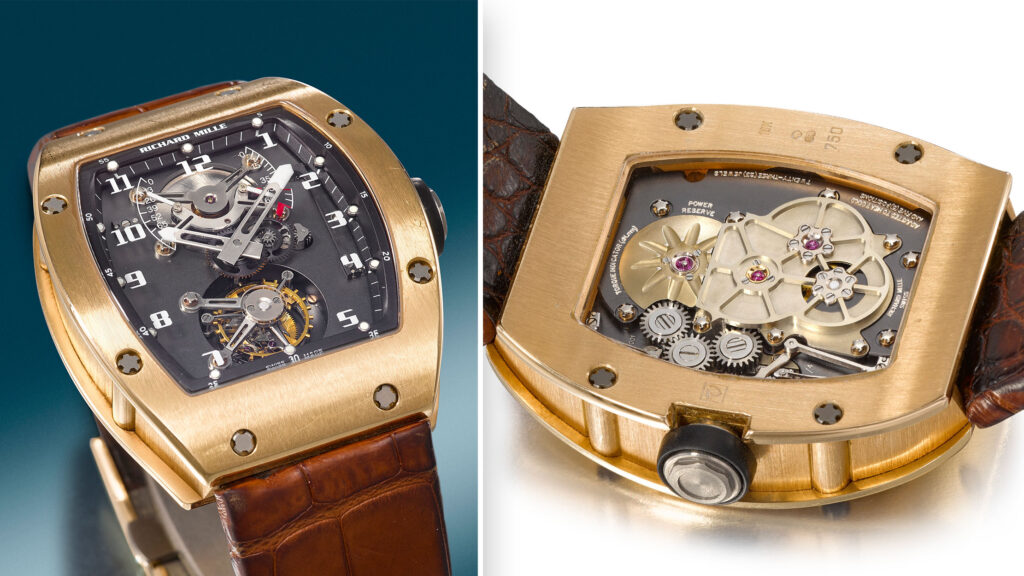
Think about the last time a watch stopped. Maybe it was a quartz watch that simply died, or a vintage mechanical piece that began losing minutes every day. Watches encapsulate craftsmanship: tiny gears, jeweled bearings, mainsprings wound to store power. Repairing a watch preserves its value — financially and sentimentally. A proper service can also extend a watch’s life by decades, sometimes generations, keeping its original character intact instead of replacing it with a cheap new item.
Common problems and what they mean
Understanding typical issues helps you know when to call a pro.
-
Dead battery (quartz watches): The simplest and most common issue. But beware — old batteries can leak and damage internal parts if left inside.
-
Loss of accuracy (mechanical watches): This might indicate the need for regulation, lubrication, or a full service. Magnetization, worn pivots, or dried lubrication can all sap precision.
-
Moisture or condensation: Water spots or fog under the crystal can cause corrosion fast. Immediate attention is essential.
-
Broken crystal or scratched case: Cosmetic, yes, but a cracked crystal also lets dust and moisture in, threatening the movement.
-
Worn strap or clasp: Simple to fix but essential for daily wear safety.
-
Dropped watch / impact damage: Can bend an axle, dislodge gears, or crack plates — often requires professional teardown.
DIY fixes — what you can safely try
There are a few small tasks a careful owner can attempt:
-
Battery replacement (if you have the right tools and a steady hand) — but only if you’re confident. Improper handling can damage the movement or casing seals.
-
Cleaning the case and bracelet with a soft brush and mild soap (avoid soaking leather).
-
Demagnetizing — small, inexpensive demagnetizer devices can restore a mechanical watch that’s running fast due to magnetization.
If a watch is vintage, high-value, water-resistant, or has visible internal issues (condensation, grinding sounds), skip DIY. Opening a modern sealed case without replacing gaskets properly voids water resistance and invites corrosion.
What happens during professional watch repair?
A reputable watchmaker follows clear steps:
-
Diagnosis: Visual inspection and timekeeping tests to identify symptoms and scope.
-
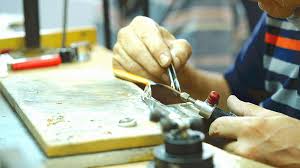
Disassembly: Movement removed from the case; dial and hands taken off; components carefully recorded.
-
Cleaning: Ultrasonic or specialized cleaning removes old oil, dust, and contaminants.
-
Replacement / repair: Worn parts are replaced (mainsprings, jewels, gaskets, crystals). For rare vintage parts, skilled fabrications or donor parts may be used.
-
Re-assembly & lubrication: Each pivot and gear gets specific lubricants. Correct oiling is critical — too much or too little causes problems.
-
Regulation & testing: The watch is timed, adjusted, and tested for accuracy, power reserve, and — if applicable — water resistance.
-
Final polish & quality check: Case and bracelet finished; final inspection ensures everything meets expected standards.
This meticulous work is why professional service is worth the cost: it preserves movement integrity and avoids repeated failures.
Choosing a watch repair service — what to look for
Picking the right service can be the difference between a long-term restoration and a short-term patch. Here’s what to evaluate:
-
Credentials and experience: Look for watchmakers with training or certifications, and experience with the brand or movement type you own.
-
Transparent pricing and estimates: Reliable shops provide an initial diagnosis and a clear quote before beginning work.
-
Genuine parts or high-quality replacements: Insist on OEM parts for modern watches where possible; for vintage pieces, discuss repair philosophies — preservation vs. replacement.
-
Warranty on repair: A reputable service often offers a warranty on workmanship.
-
Turnaround time & communication: You should get realistic timelines and regular updates.
-
Reviews and references: Customer feedback reveals reliability and quality — read experiences from others, especially on service consistency.
If you’re in Hong Kong or need a trusted, experienced option, consider checking out agwatchrepair.com.hk — they specialize in professional watch repair and service, handling a wide range of brands and styles. Again, this is a plain reference to the service name for your convenience.
Maintenance tips to keep your watch healthy
Prevention is the best repair plan. Simple habits keep watches running smoothly:
-
Service regularly: Mechanical watches usually need a full service every 3–7 years depending on use. Quartz watches benefit from periodic checks to prevent battery leaks.
-
Avoid strong magnets and electronics: Speakers, phones, and magnetic clasps can magnetize components and affect accuracy.
-
Keep it dry: Even water-resistant watches need gasket checks. Have seals inspected if you swim with the watch.
-
Wind carefully: Manual-wind watches should be wound gently and consistently — stop when you feel resistance.
-
Store thoughtfully: Use a watch box or pouch to prevent scratches and dust exposure.
The value of expert care
Watch repair isn’t just technical work; it’s stewardship. A skilled watchmaker respects a watch’s history and purpose — whether restoring a modern timepiece to factory precision or preserving the patina and character of a vintage treasure. Good repairs enhance value, prevent further damage, and keep memories and stories alive on your wrist.
Final thoughts — restore, don’t replace
Before you toss a non-working watch into a drawer or buy a replacement, remember: most watches are repairable. Investing in professional watch repair not only restores function but honors the craftsmanship and memories your watch carries. If you want a dependable repair partner in Hong Kong, consider contacting agwatchrepair.com.hk for a professional diagnosis and service estimate — they offer experienced technicians who can bring your timepiece back to life.
Your watch has been marking moments of your life — birthdays, meetings, first dates, quiet mornings. A thoughtful repair returns those moments to your daily routine and lets you keep wearing the stories you’ve lived. Whether it’s a simple battery or a full overhaul, a trusted repair transforms a silent watch back into a companion that keeps time and holds meaning.

