

 English



































































































































































































































































































































































































































































































































































































































































































































































































































































































































































































































































































































































































































































































































































































































































































How Technology Helps You Stay Compliant With Heart Medications


Managing heart health requires consistent attention, especially when it comes to taking prescribed medications. Skipping doses or taking medications irregularly can lead to serious health consequences, including heart attacks, strokes, and long-term complications. For many patients, remembering multiple medications and monitoring their effects can be overwhelming. Fortunately, technology offers a wide range of solutions to help patients stay on track, making adherence easier, more organized, and more effective.
The Importance of Staying Consistent With Heart Medications
Consistency with heart medications is critical for maintaining cardiovascular health. Missing even a single dose can disrupt the effectiveness of treatment and increase the risk of complications. Patients who fail to follow their prescribed regimen may also face higher healthcare costs, including emergency room visits or hospitalizations. Additionally, non-compliance can affect long-term health outcomes, leading to preventable heart events. Tools for managing a Cholesterol Prescription Refill, for example, can help ensure patients do not run out of critical medications and maintain regular treatment schedules, reducing the risk of adverse events.
Medication Reminders and Mobile Apps
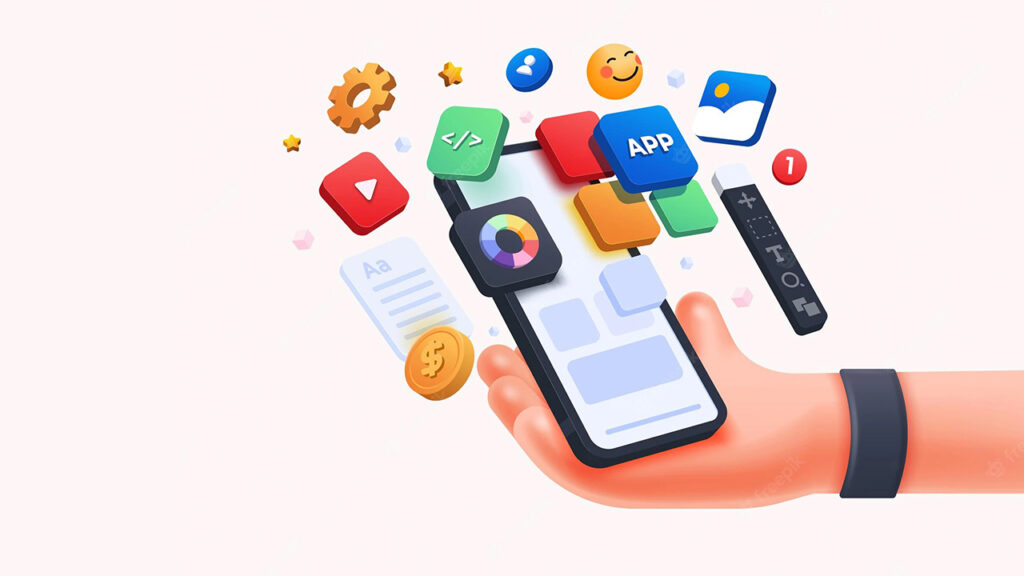
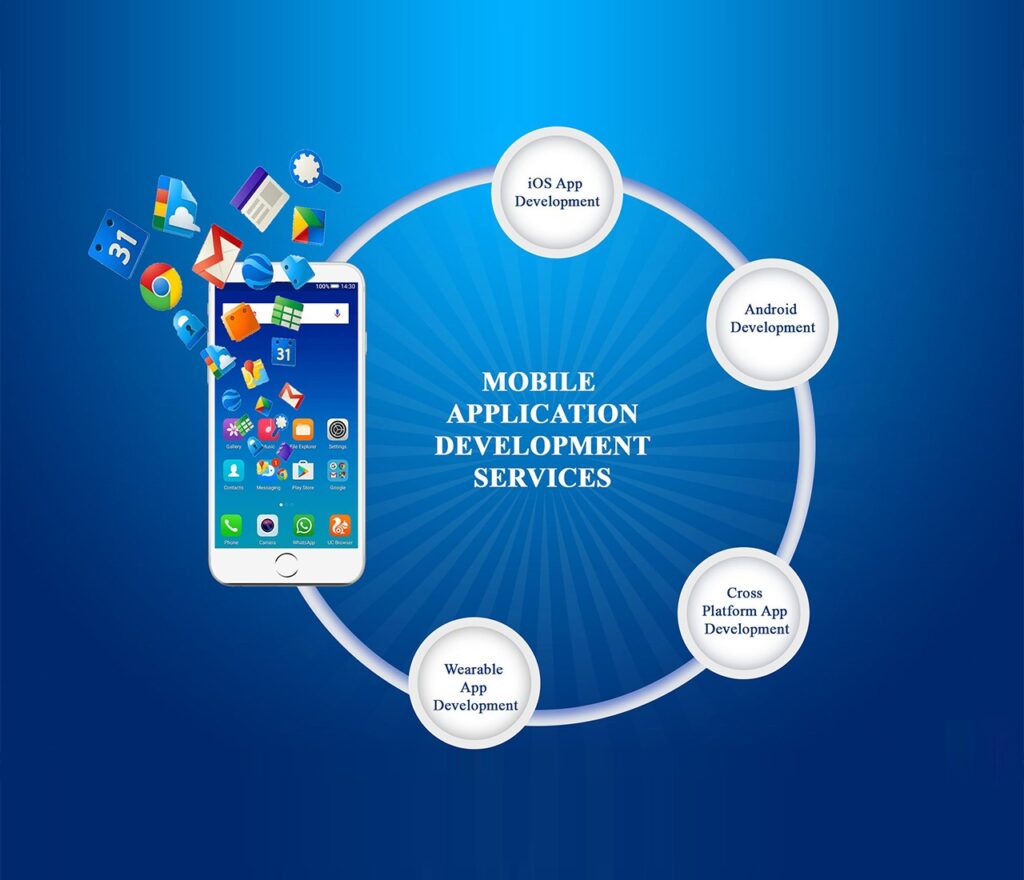
One of the simplest yet most effective technological solutions for medication adherence is the use of mobile apps and digital reminder systems. These apps allow patients to log their doses, set alarms, and receive notifications when it’s time to take their medications. Some apps even send refill reminders or allow patients to track their heart health metrics alongside medication adherence. By reducing the likelihood of missed doses, these tools help patients maintain a consistent routine and improve overall treatment outcomes. Many apps also provide educational resources, helping patients understand the importance of each medication and its impact on heart health.
Telehealth and Virtual Consultations
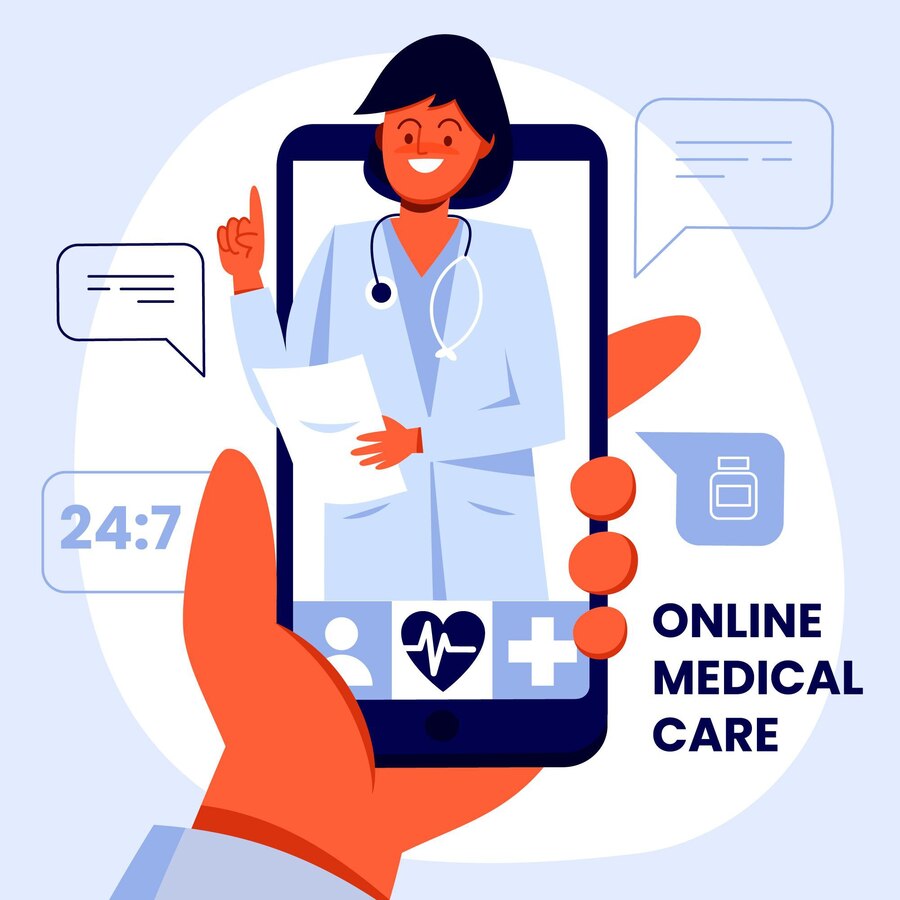
Telehealth has transformed how patients interact with healthcare providers, particularly for those managing chronic conditions like high cholesterol or hypertension. Virtual consultations allow doctors to monitor patient adherence, discuss side effects, and make necessary adjustments to medications without requiring an in-person visit. Patients can also receive guidance on lifestyle modifications, dietary changes, and exercise routines, all of which complement their heart medications. Telehealth reduces the logistical challenges of frequent clinic visits while ensuring ongoing supervision and support for maintaining medication compliance.
Smart Pill Organizers and Digital Devices
For patients managing multiple medications, smart pill organizers offer an invaluable solution. These devices can be programmed to dispense the correct dose at specific times, often accompanied by audible or smartphone alerts. Some organizers connect to mobile apps, providing detailed reports of adherence that patients and healthcare providers can review together. By streamlining complex medication schedules, these devices reduce the risk of missed or double doses, promoting safer and more consistent heart care.
Online Pharmacies and Prescription Management
Online pharmacies play a significant role in improving medication adherence. Patients can schedule deliveries, set up automatic refill reminders, and access their Cholesterol Prescription Refill conveniently from home. This reduces the risk of running out of essential medications and helps maintain a steady routine. Digital prescription management also integrates with apps and wearable devices, enabling patients to track their medication intake and receive notifications if a dose is missed. Convenience and accessibility make online pharmacies a practical tool for supporting consistent treatment.
Wearable Technology and Remote Monitoring
Wearable devices, such as smartwatches and fitness trackers, allow patients to monitor their heart rate, blood pressure, and other vital signs in real time. Some devices even alert users to irregularities, providing early warnings of potential health issues. Remote monitoring can be particularly useful for patients managing chronic conditions, as it allows healthcare providers to track progress and intervene if necessary. By visually demonstrating the effects of consistent medication use on heart health, wearables motivate patients to adhere to their prescribed regimen and maintain better long-term outcomes.
Challenges and Tips for Success
While technology offers numerous advantages, there are challenges to consider. Not all patients have access to the latest devices or stable internet connections, and some may feel overwhelmed by digital tools. Digital literacy is crucial for effectively using apps, wearable devices, and telehealth services. Low-cost or simplified solutions, along with support and training from family members or healthcare providers, can help overcome these obstacles. It’s also important to remember that technology is a supplement to professional medical guidance, not a replacement. Combining digital tools with routine check-ins ensures that patients maintain safe and effective medication adherence.
Conclusion
Technology has the potential to transform how patients manage heart medications, making adherence easier, more organized, and more effective. Mobile apps, telehealth consultations, smart pill organizers, online pharmacies, and wearable devices all contribute to better compliance, reducing the risk of missed doses and improving long-term cardiovascular health. By leveraging these tools, patients can stay consistent with their treatment, track progress, and feel more confident in their heart health management. Simple technological interventions can lead to significant improvements in outcomes, helping patients live healthier, more proactive lives.

