

 English



































































































































































































































































































































































































































































































































































































































































































































































































































































































































































































































































































































































































































































































































































































































































































GP Contact Lenses: A Reliable Option for Clear Vision

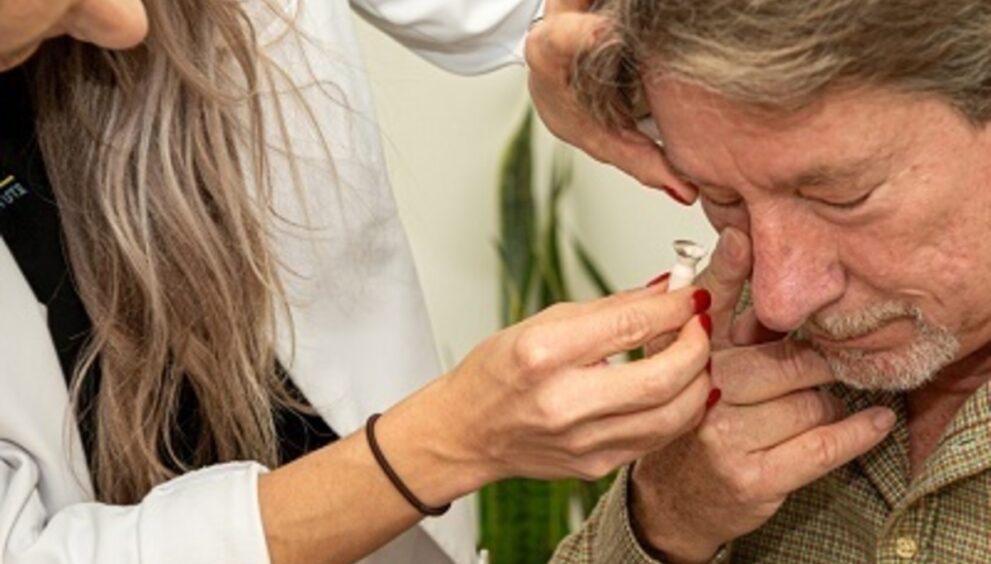
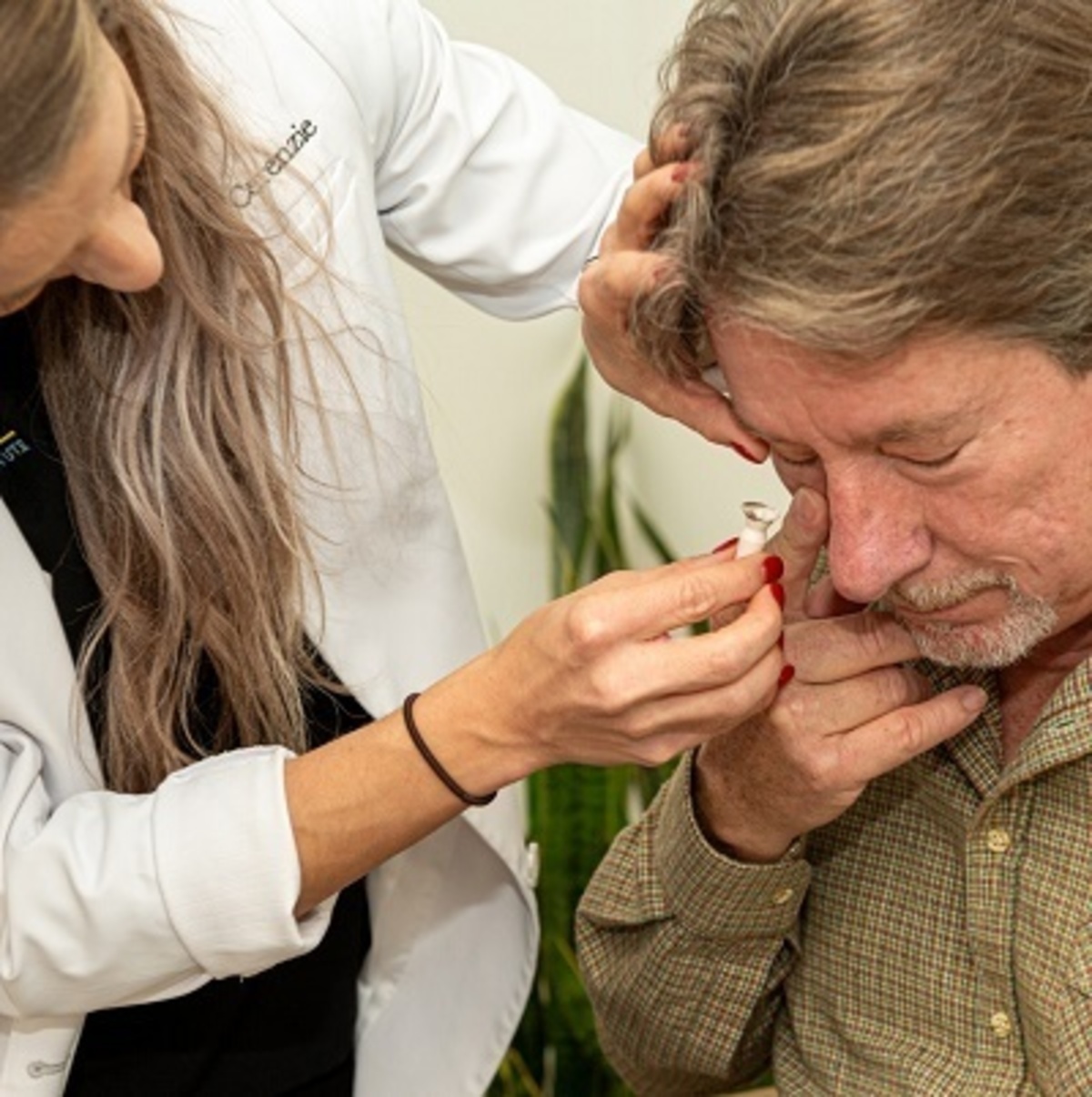
GP contact lenses have been trusted for decades by millions of Americans seeking sharp vision and reliable eye health. Also known as rigid gas permeable (RGP), corneal GP, gas permeable, or “hard” contact lenses, these lenses continue to be a preferred choice for people who want excellent visual clarity, durability, and eye safety. Despite the rise of soft lenses, GP contact lenses remain a proven solution for many vision needs.
What Are GP Contact Lenses?
GP contact lenses are made from rigid, oxygen-permeable materials that allow oxygen to reach the cornea. Unlike soft lenses that absorb water, GP lenses maintain their shape on the eye. This structural stability is what gives GP contact lenses their superior optical performance, especially for people with irregular corneas or higher prescriptions.
Although they are often called “hard” lenses, modern GP contact lenses are far more advanced and comfortable than earlier versions. Today’s designs prioritize breathability, precision fitting, and long-term comfort.
Benefits of GP Contact Lenses
One of the main advantages of GP contact lenses is exceptional visual clarity. Because the lens keeps its shape, it corrects vision more precisely than soft lenses, making it ideal for conditions like astigmatism, keratoconus, and presbyopia.
Another key benefit is eye health. GP contact lenses allow more oxygen to reach the cornea, reducing the risk of redness, dryness, and infection. This makes them a healthy choice for long-term contact lens wearers.
Durability is also a major plus. GP contact lenses are more resistant to tears and protein buildup, often lasting one to two years with proper care. While the upfront cost may be higher, they are often more economical over time.
Comfort and Adaptation
Many people assume GP contact lenses are uncomfortable, but that is a common misconception. While there is a short adaptation period—usually a few days to a couple of weeks—most wearers find them very comfortable once their eyes adjust. In fact, many long-term users report that GP contact lenses feel more natural over time than soft lenses.
Consistent daily wear helps speed up the adaptation process, and a proper professional fitting plays a critical role in comfort.
Who Should Consider GP Contact Lenses?
GP contact lenses are especially beneficial for people with:
- Moderate to severe astigmatism
- Keratoconus or irregular corneas
- High or complex prescriptions
- Dry eye symptoms caused by soft lenses
- A need for crisp, stable vision
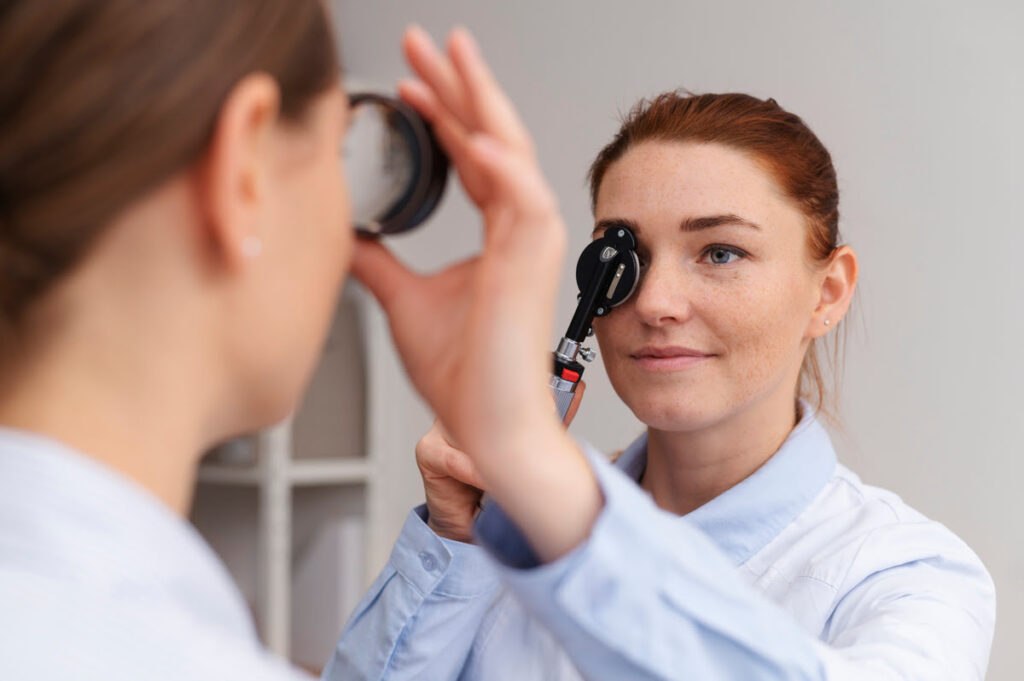
Eye care professionals often recommend GP contact lenses when soft lenses cannot provide adequate vision correction.
Care and Maintenance
Caring for GP contact lenses is straightforward. Daily cleaning and proper storage keep them clear and safe to wear. Because GP lenses resist deposits better than soft lenses, they often require less intensive cleaning routines. Regular eye exams ensure the lenses continue to fit well and perform optimally.
GP Contact Lenses vs. Soft Contact Lenses
While soft lenses are popular for immediate comfort, GP contact lenses excel in vision quality, longevity, and eye health. Soft lenses may feel comfortable right away, but GP lenses often outperform them in long-term satisfaction, especially for complex vision needs.
Conclusion
GP contact lenses remain a reliable and time-tested option for people who value clear vision, comfort, and eye health. With superior optical performance, long-lasting durability, and modern breathable materials, GP contact lenses continue to meet the needs of today’s contact lens wearers. If you are looking for a solution that delivers precision and long-term benefits, GP contact lenses are well worth considering. Clcik Here