

 English





















































































































































































































































































































































































































































































































































































































































































































































































































































































































































































































































































































































































































































































































































































































































































The Complete Guide to Glass Blasting

In today’s rapidly evolving manufacturing industry, achieving precision, durability, and aesthetic quality has become more important than ever. From automotive production to aerospace fabrication and general metalworking, processes like glass blasting, bead blasting, brake shape optimization, metal tapping, and glass beads blasting play a crucial role in delivering high-performance components. Each of these techniques contributes uniquely to surface finishing, structural integrity, and product longevity.
In this comprehensive guide, we explore how these processes work, their applications, benefits, and why they have become essential in modern industrial operations.
What Is Glass Blasting?
Glass blasting is a surface-finishing technique that uses fine glass beads propelled at high speed to clean, polish, or prepare a surface. It is valued for its ability to remove rust, paint, scale, or surface contaminants without damaging the underlying material. Unlike aggressive blasting techniques that may cause deformation or roughness, glass blasting delivers a smooth, satin-like finish.
How Glass Blasting Works
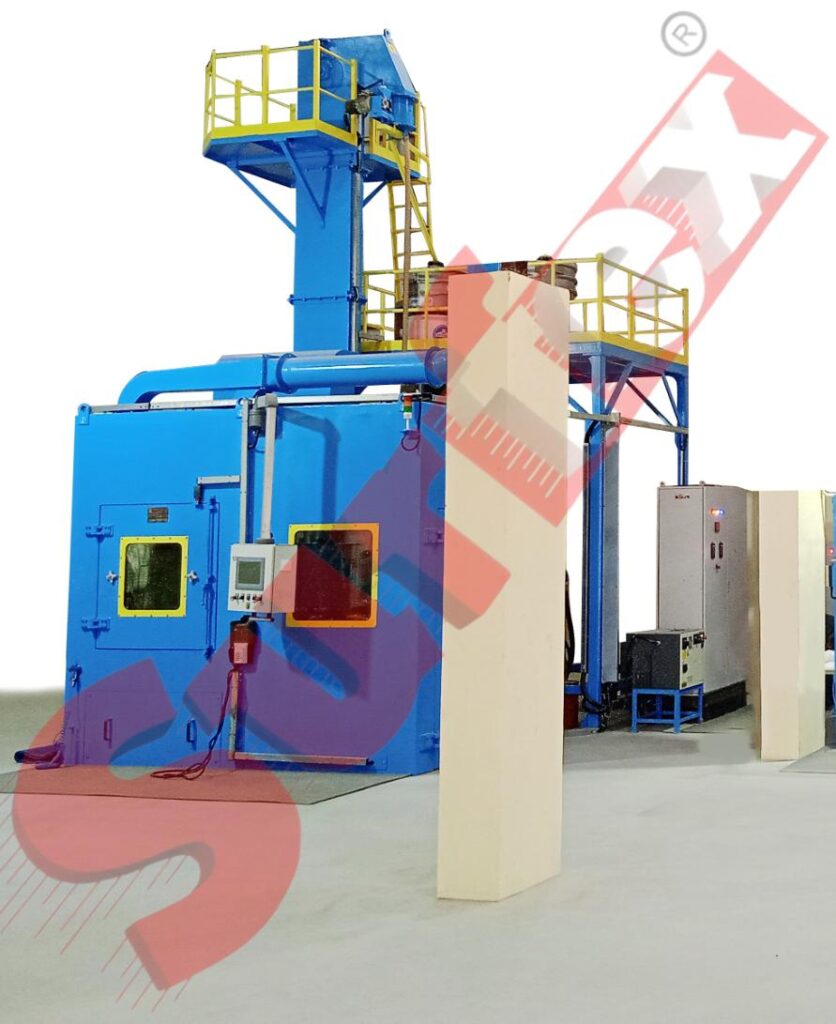
Glass beads are shot through a pressurized system—either air-powered or wheel-blasting machinery—toward the surface. When the beads impact the material, they create a gentle peening effect. Instead of cutting or gouging, they subtly refine the surface.
Key Benefits of Glass Blasting
- Non-abrasive finishing: Ideal for delicate materials like aluminum, stainless steel, brass, and some plastics.
- Consistent surface appearance: Creates an even, matte finish.
- Environmentally friendly: Glass beads are reusable and contain no harmful chemicals.
- Stress relief on surfaces: The peening action can strengthen materials through compressive stress.
Industries Using Glass Blasting
- Automotive (engine components, brackets, wheels)
- Aerospace (aluminum casings, structural parts)
- Medical devices (surgical instruments)
- Metal fabrication shops
- Restoration and refurbishment businesses
Glass blasting is especially effective for parts requiring a professional appearance without compromising dimensional accuracy.
Understanding Bead Blasting and Its Importance
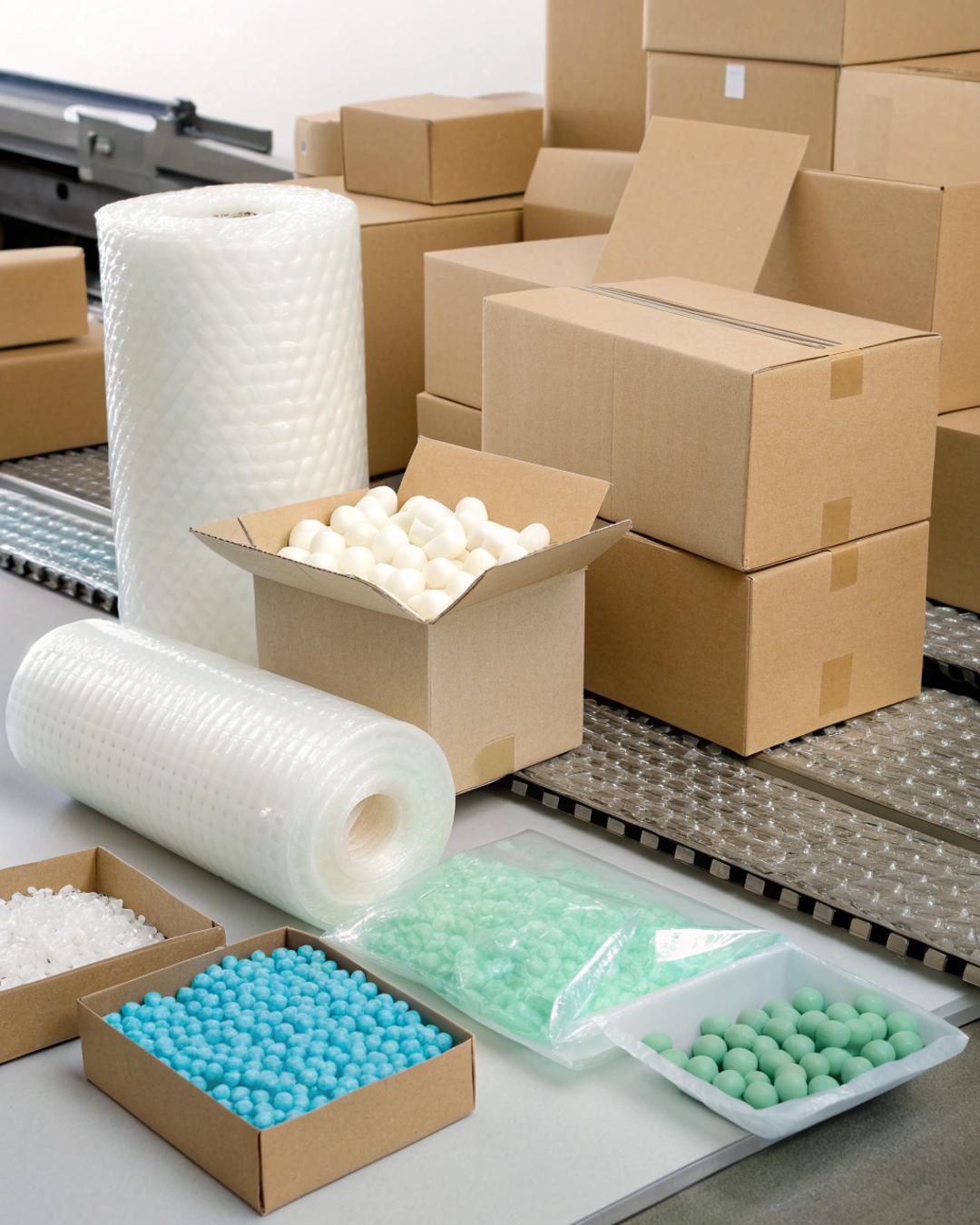
While glass blasting uses glass beads specifically, bead blasting is a broader term that includes blasting with various types of beads—ceramic, plastic, steel, and of course, glass. The process remains similar, but the media selected depends on the surface requirements.
Different Types of Beads Used in Bead Blasting
- Glass beads: Provide smooth, satin finishes.
- Ceramic beads: Used for high-impact strength and deeper cleaning.
- Plastic beads: Gentle enough for soft materials and electronics.
- Steel beads: Highly aggressive for heavy-duty cleaning or deburring.
Applications of Bead Blasting
- Removing coatings and oxidation
- Deburring sharp edges
- Smoothing weld seams
- Surface preparation before painting or powder coating
- Cosmetic finishing for consumer products
Advantages of Bead Blasting
- Versatility: Works on metal, glass, plastics, and composites.
- Controlled finish: You can choose from matte to semi-gloss textures.
- No embedded particles: Beads are round, not angular, so they don’t embed in surfaces.
Bead blasting provides a customizable level of abrasion, making it suitable for both industrial heavy-duty tasks and precision finishing.
Glass Beads Blasting vs. Traditional Abrasive Blasting
Glass beads blasting is considered one of the cleanest, safest, and most precise blasting methods. Unlike sandblasting—which uses angular silica particles—glass beads blasting is much less likely to cause surface damage or health hazards.
Why Manufacturers Prefer Glass Beads Blasting
- No silica dust hazards
- Greater reuse potential (up to 30 cycles)
- Reduced substrate wear
- More uniform results
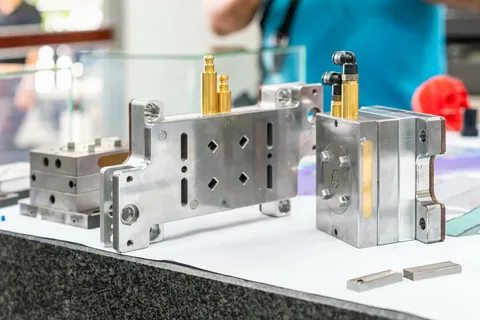
This makes glass beads blasting a top choice for finishing aluminum parts, stainless steel appliances, and delicate mold components.
Brake Shape: What It Means in Metal Fabrication
The term brake shape refers to the angles, bends, and contours formed when sheet metal is shaped using a press brake. This bending process is fundamental in manufacturing structural components, enclosures, brackets, frames, and custom metal parts.
How Brake Shaping Works
A press brake uses hydraulic, pneumatic, or mechanical force to bend metal sheets. Using different tooling such as V-dies or punch dies, technicians create precise shapes required for assembling final products.
Common Brake Shapes
- V-bends
- U-bends
- Offsets
- Channels
- Angles and brackets
Importance of Brake Shape Accuracy
Accurate brake shaping ensures:
- Correct part fitment
- Structural strength
- Reduced welding requirements
- Improved product aesthetics
- Efficient assembly
In industries like automotive, aerospace, and architecture, the correct brake shape determines whether a part performs safely under stress.
Metal Tapping: Creating Threads for Fastening
Metal tapping is the process of cutting internal threads into a drilled hole so that bolts or screws can be inserted. This mechanical threading process ensures strong and reliable joints in metal fabrication.
Types of Metal Tapping
- Manual tapping: Using handheld tap wrenches for small jobs.
- Machine tapping: Using CNC machines or drill presses for precision.
- Form tapping: Forms threads by deformation instead of cutting.
Key Uses of Metal Tapping
- Assembly of mechanical components
- Installing fasteners in machinery
- Creating threaded holes in sheet metal or thick metal blocks
- Automotive engine assembly
- Aerospace structural fabrication
Benefits of Proper Metal Tapping
- Stronger thread integrity
- Longer-lasting components
- Improved safety in load-bearing parts
- Reduced risk of cross-threading or fastener failure
Metal tapping is foundational to the assembly of nearly every mechanical device or industrial product.
How These Processes Work Together in Manufacturing
Individually, glass blasting, bead blasting, brake shaping, and metal tapping strengthen and refine materials. Combined, they create a complete workflow for producing high-quality metal components.
Example Workflow
- Sheet metal is brake-shaped to desired angles.
- Metal tapping is applied to create threaded holes.
- Bead blasting or glass blasting smooths surfaces, removes burrs, and improves aesthetics.
- Glass beads blasting may be used as a final finishing step.
This integrated approach ensures structural precision, mechanical reliability, and a professional finish.
Why Surface Finishing Matters in Today’s Manufacturing Environment
Surface finishing processes like glass blasting and bead blasting are not just for aesthetic appeal—they play a crucial role in durability and performance.
Performance Benefits
- Reduces stress concentration
- Prevents corrosion and rust
- Improves coating adhesion
- Extends tool and part lifespan
Aesthetic Benefits
- Creates a uniform texture
- Removes visual imperfections
- Enhances brand quality
Manufacturers aiming to improve overall product quality rely heavily on these finishing techniques.
The Future of Blasting and Metal Fabrication
Technological advancements are making blasting and fabrication processes even more efficient.
Emerging Trends
- Automation in blasting rooms for more consistent finishes
- Robotic metal tapping in high-volume production
- Laser-guided press brakes for flawless brake shape accuracy
- Eco-friendly blasting media with higher reuse cycles
Companies that embrace these advancements can produce parts faster, safer, and at a higher quality.
Final Thoughts
Whether you’re in metal fabrication, automotive repair, manufacturing, or product engineering, processes like glass blasting, bead blasting, glass beads blasting, precise brake shape formation, and reliable metal tapping are essential for quality and efficiency. They each contribute to stronger, smoother, and more visually appealing components—helping industries meet modern performance and safety expectations.
By understanding and applying these techniques correctly, manufacturers can significantly improve product durability, reduce production errors, and achieve a superior finished product that stands out in the competitive industrial market.