

 English









































































































































































































































































































































































































































































































































































































































































































































































































































































































































































































































































































































































































How to Pick the Right Custom Packaging Design Agency in 2025


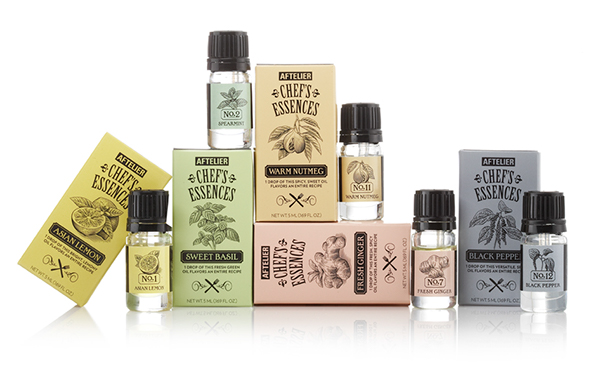
Your package is a tiny stage. It has one job: win attention, earn trust, and make the sale. The right agency can turn a plain box into a quiet sales machine. The wrong one can waste time and money. The choice is big, but the steps are simple.
Start by knowing what you need, then find a team that can prove it. Look for smart questions, clear process, and real results in your space. Ask how they test, and how they ship designs from screen to shelf.
And that’s why I’ve written this article so that you can learn what to check, what to ask, and what to avoid when it comes to custom packaging design. Use it to pick a partner who lifts your brand with work that lasts.
1. Get clear on goals, budget, and limits
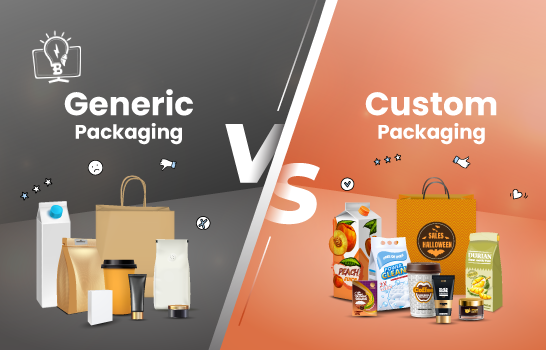
Start with a short brief. This brief should have everything about what you need to convey through the packaging. Your custom packaging design must match your product, channel, and budget. Write a one page note that lists the must haves and the nice to haves. Keep it simple and sharp.
Questions to answer now:
- What business goal should packaging hit: trial, repeat, or trade lift?
- Where will it live: shelf, ecom, club, or a mix?
- What is the price range for design, prototypes, and print?
- Any constraints: size, shelf rules, or ship tests?
- Must the pack work with a current dieline or printer?
2. Check portfolio fit and category depth
An agency can be great and still be wrong for you. You want proof they design for your category and your channel.
Look for:
- Work in your product type and price tier
- Before and after shots that show problem and result
- Clear role of color, shape, type, and claims
- Packs that read in one second at three feet
- Systems for flavors, sizes, and sub lines
Ask for three case stories. You want the brief, the roadblocks, and the outcome. Keep an eye on how they measure success.
3. Ask about process, research, and testing
Good design is repeatable. It runs on a process you can track.
Key steps to expect:
- Kickoff with goals and voice
- Field checks in stores and online
- Concept sprints with sharp criteria
- Rapid consumer reads using simple tasks
- Print checks and hand cut comps before press
Have them show templates for each step. Clarity reduces risk and saves time.
4. Verify knowledge of rules and labels
Packaging lives inside rules. Your agency should know them and design with them in mind.
Confirm they understand:
- Basic food labeling rules in the United States, including panel order, net weight, and ingredient rules
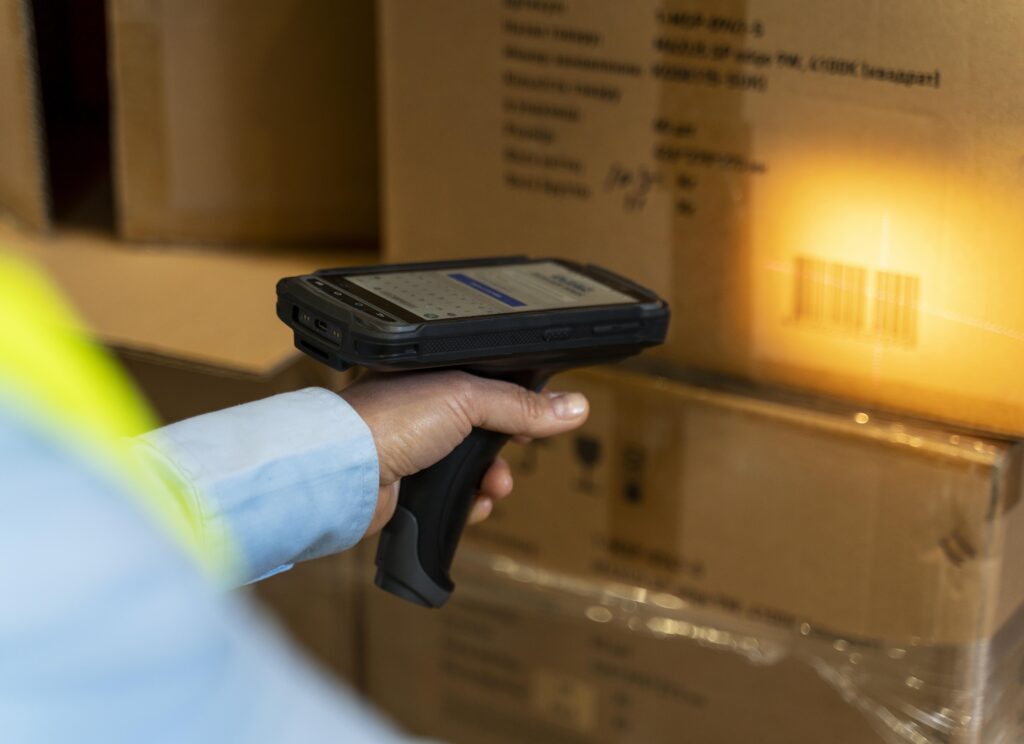
- Common barcode needs, and the move to 2D codes in retail by 2027
- Honest green claims that follow current guidance, with proof for words like recyclable and compostable
- State moves on producer responsibility for packaging, since rules are growing across the map
Have them point to recent projects that met these needs. Ask how they keep a tracker for changes.
5. Review materials and sustainability
Pretty is not enough. Materials must fit your product, budget, and values.
Discuss:
- Fiber choices, coatings, and inks that fit your print run
- Recycled content options and trade offs in color and strength
- Mono material choices that help sorting
- Accurate claims that you can support with data
Ask for two or three material paths with pros and cons. Keep the language plain and the facts clear.
6. Demand prototypes and real world tests
A screen mockup can hide problems. Prototypes reveal them fast.
Ask for:
- White dummies for size and ergonomics
- Printed comps for color and read in store light
- Ship and drop tests for ecom units
- Shelf tests with real competitors and distance reads
Time spent here saves cost on the press and at the warehouse.
7. Understand pricing, rights, and who owns the files
Money terms should be simple. Rights should be clear.
Protect yourself by asking:
- Fixed fee vs hourly and what each includes
- How many rounds are in scope and what triggers change orders
- Who owns native files and dielines at the end
- What is covered in quality checks before handoff
Put this in the contract. No surprises later.
Conclusion
Good packaging when you put it in custom packaging design is quiet power. It helps shoppers spot, grasp, and buy. The right agency brings order, taste, and proof. You now have a clear way to pick that partner.
Set goals, test for fit, and look for a team that knows rules, labels, and real world limits. Make them show how ideas move from sketch to shelf. Keep everything simple and don’t overcomplicate anything if you don’t have to. If you do, you’ll do really well even when choosing a partner for yourself. This work can lift sales and reduce waste for years.

