

 English


















































































































































































































































































































































































































































































































































































































































































































































































































































































































































































































































































































































































































































































































































































































































































































































































How to Choose an Office Rental That Fits Your Business

Office decisions tend to shape more than daily routines. They affect how teams work, how clients respond, and how stable a business feels over time. In the Philippines, especially in major business districts, companies are paying closer attention to where and how they set up their offices.
In this blog, we will help business owners and decision-makers think through that choice with clarity. Instead of surface-level tips, it explains what truly matters when selecting an office space and how each factor connects to long-term business needs.
Factors to Consider When Choosing the Right Office Space
Choosing an office works best when you break it down into practical factors. Each one answers a different business question, and together they guide smarter decisions.
Aligning Office Space with Business Size and Growth Plans
Office space should reflect how your business operates today, not just how it started. A team of five has different needs than a team of fifty, and both will feel the impact of a poor layout. Too small, and work becomes distracting. Too large, and the costs start to feel unnecessary.
Growth plans matter just as much. Some companies expand steadily, while others scale in bursts. Flexible office setups allow teams to grow without moving every year. Serviced offices, like those in prime business districts, are designed with this in mind. They let businesses add desks or private offices without long delays or renovation stress.
A good office should support your workflow. Sales teams may need meeting rooms. Creative teams may need open layouts. Leadership teams may need privacy. When space fits how people actually work, productivity follows naturally.
Location Value Beyond a Prestigious Address
An office address does more than look good on a business card. Location affects commute times, client access, and daily energy levels. Employees who spend less time stuck in traffic often arrive more focused and leave less drained.
Business districts work well because they connect people. Restaurants, banks, hotels, and transit hubs nearby make everyday tasks easier. Clients appreciate locations they can reach without hassle. Partners tend to take meetings more seriously when the office is easy to find.
The third consideration is how office rental in Makati fits into this picture. Makati works because it balances convenience with business density. Offices in places like prime business districts sit close to major roads, public transport, and commercial spaces. That balance supports both internal teams and external relationships without forcing compromises.
Cost Structure, Transparency, and Long-Term Value
Office rent is only part of the cost story. Utilities, maintenance, internet, cleaning, and security all add up over time. Traditional leases often look cheaper at first, but grow more expensive once hidden costs appear.
Serviced offices simplify this structure. One monthly fee usually covers most operational needs. That clarity helps businesses plan better and avoid sudden expenses. It also saves time spent managing vendors and facilities.
Long-term value matters more than short-term savings. An office that costs slightly more but reduces downtime, stress, and admin work often pays for itself. Businesses that understand this tend to make steadier financial decisions.
Flexibility, Lease Terms, and Business Agility
Business conditions change faster than office leases. Teams go hybrid. Projects end. New markets open. Long leases with rigid terms can hold companies back during these shifts.
Flexible lease options allow businesses to adjust without penalties. Shorter terms, upgrade options, and scalable layouts reduce risk. This approach suits startups and established firms alike.
Serviced offices are built around this idea. They remove the pressure of long commitments while still offering professional environments. When flexibility exists, businesses can respond to change calmly instead of reacting under pressure.
Workplace Experience, Amenities, and Productivity
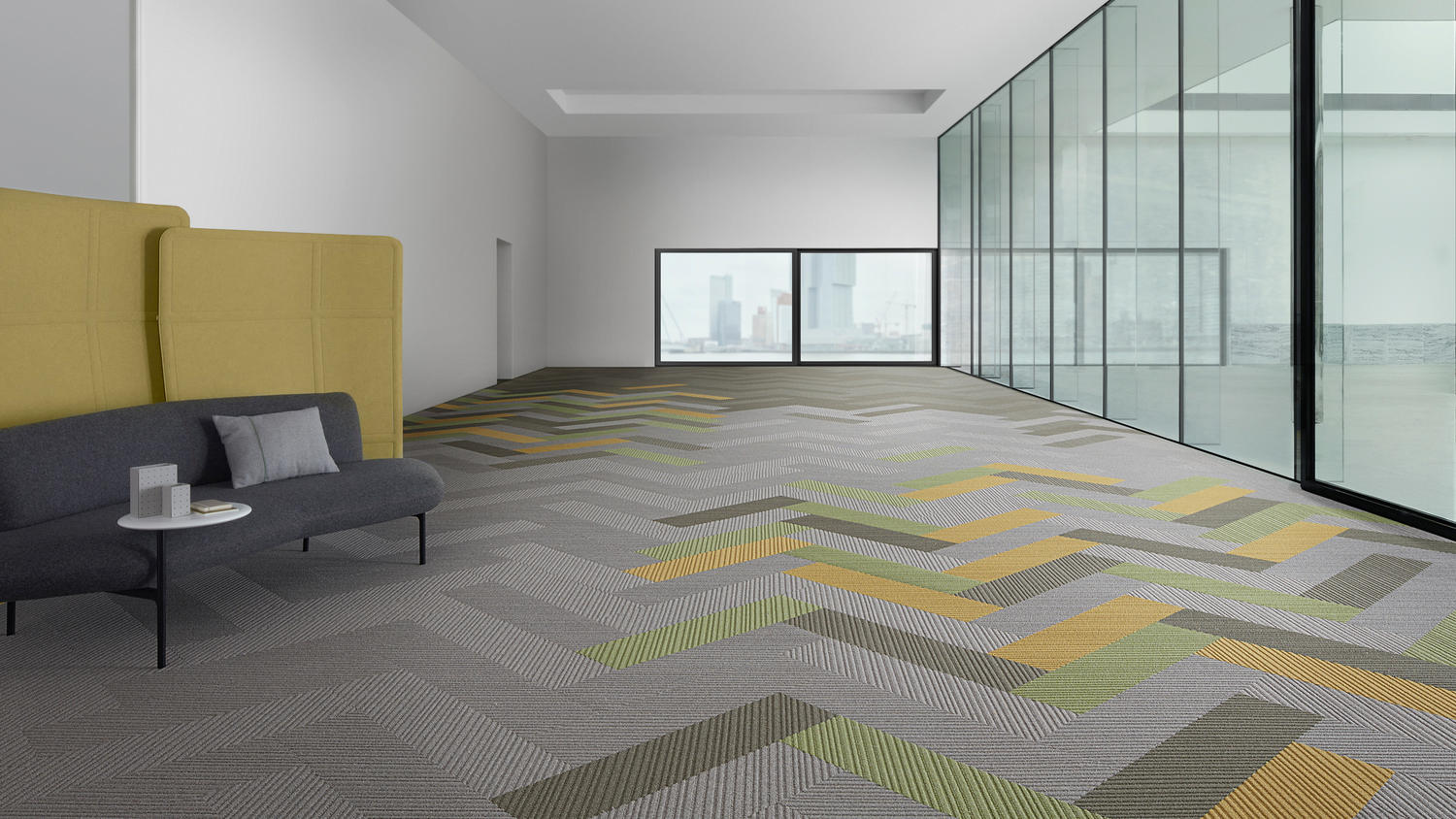
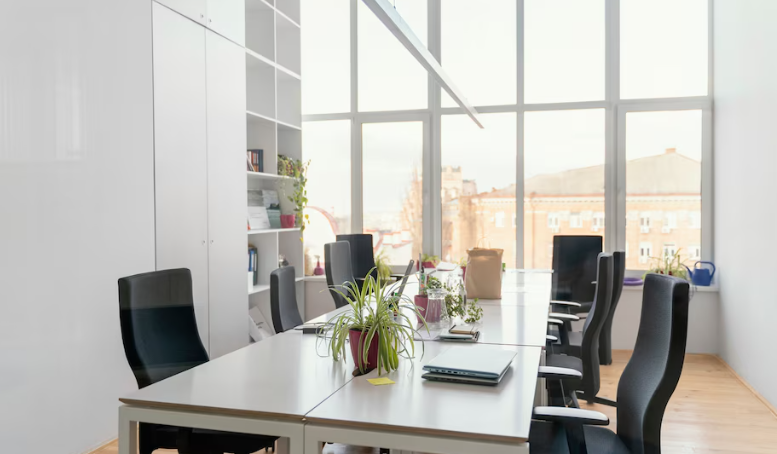
People perform better in spaces that feel comfortable and thoughtful. Lighting, air quality, furniture, and noise control all influence how long teams can stay focused. Poor design often leads to fatigue, even when work is manageable.
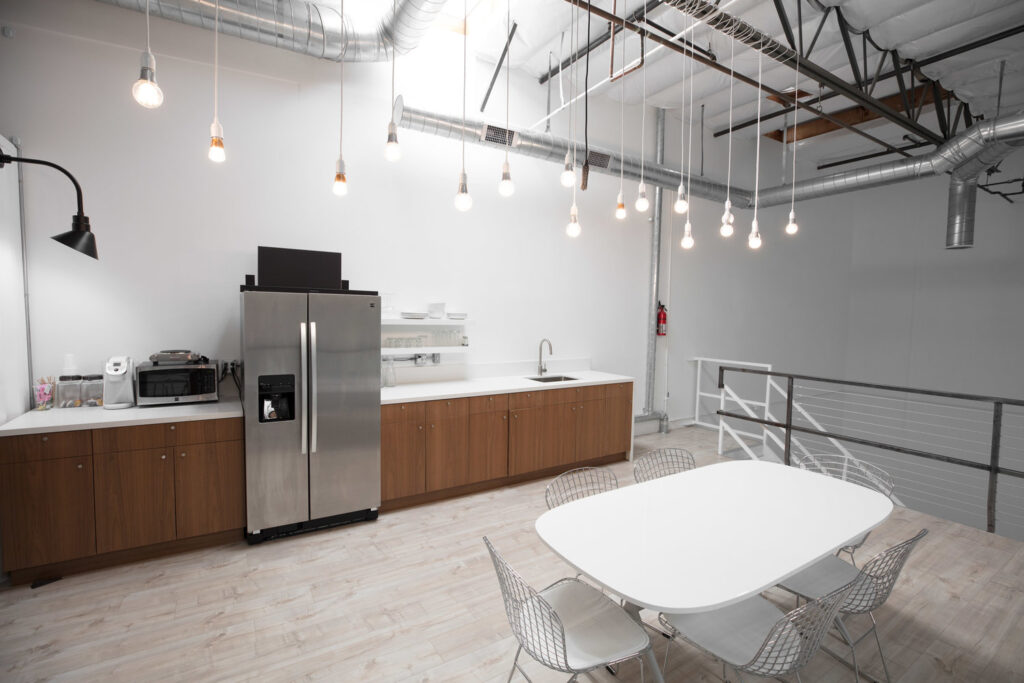
Amenities also shape daily experience. Meeting rooms that work properly, clean pantries, quiet lounges, and helpful front-desk services remove small frustrations. These details may seem minor, but they affect morale over time.
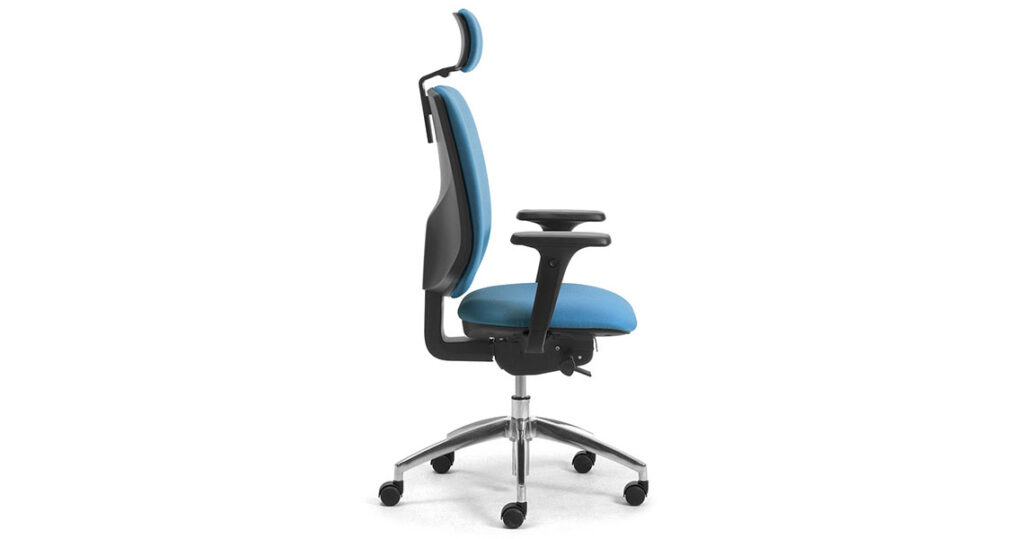
High-speed WiFi in common areas, ergonomic furniture, and temperature control also matter. Teams notice when basic comforts work reliably. These elements compound over months, shaping whether workdays feel energizing or draining.
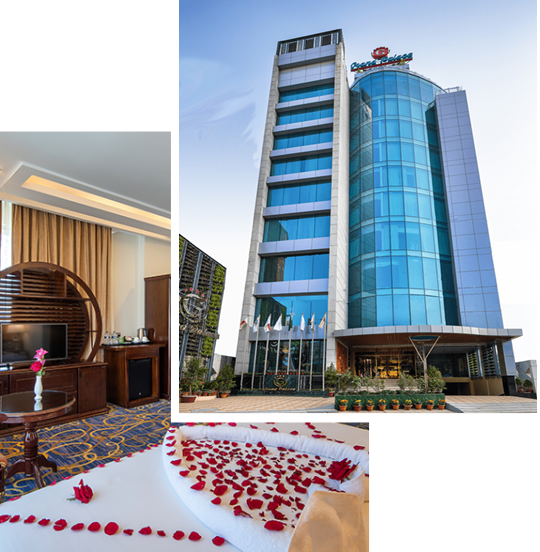
Buildings in prime business districts focus on modern workplace design. Green spaces nearby, natural light, and well-planned interiors support longer attention spans and healthier workdays.
Technology, Security, and Business Continuity
Reliable technology is a basic expectation, not a bonus. Slow internet or unstable connections disrupt work and damage credibility. Secure networks protect data and build trust with clients.
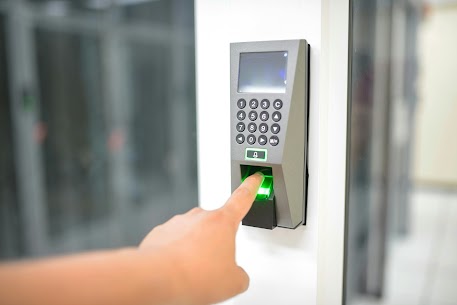
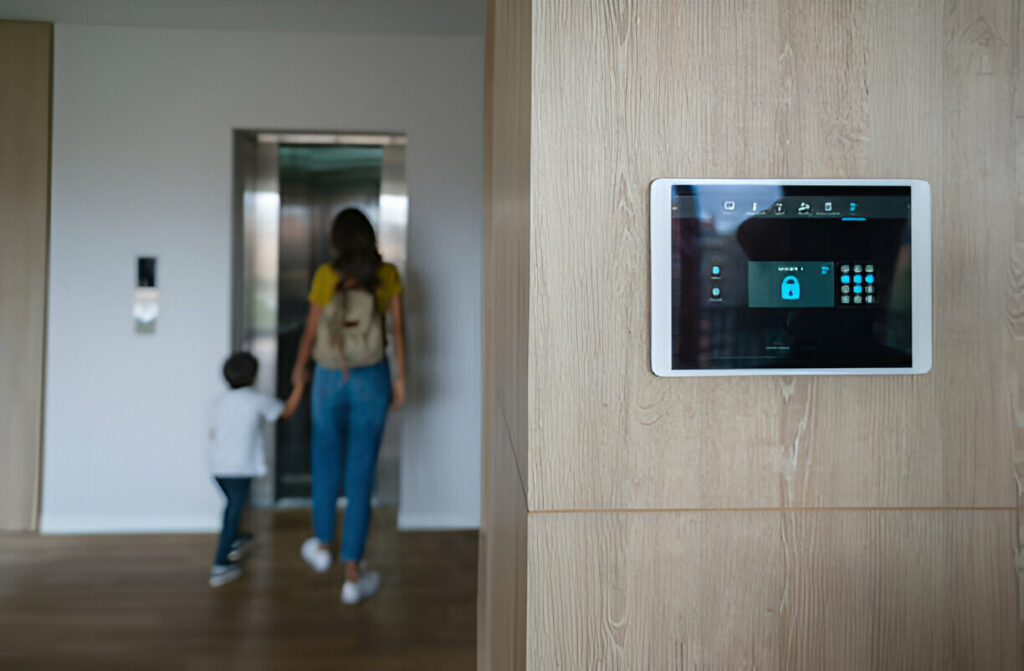
Security extends beyond passwords. Controlled access, surveillance, and emergency systems protect people and assets. These features matter even more for client-facing businesses.
Serviced offices usually include professional IT support and backup systems. That support reduces downtime and keeps operations running during technical issues. When systems work quietly in the background, teams can focus on their actual work.
Brand Image and Client Perception
Office space speaks before anyone does. Clients notice the building, the reception area, and the meeting rooms immediately. A clean, professional environment signals stability and seriousness.
Brand image is not about luxury. It is about consistency and confidence. A well-managed office shows that the business values structure and detail. That impression builds trust without a single word spoken.
Premium locations and thoughtfully designed spaces help businesses present themselves clearly. When the environment aligns with the brand message, client relationships start on stronger ground.
Conclusion
Office spaces continue to shift from fixed locations into adaptable business tools. Businesses that focus on factors other than rent and square footage usually have a stronger position over time. Selecting the appropriate arrangement involves juggling the factors of staff, expenses, and flexibility while also leaving room for changes that might come later.
When approached with clarity, office rental in Makati becomes less about finding space and more about supporting how a business grows. Thoughtful office choices today tend to shape calmer, more confident operations tomorrow.