

 English




















































































































































































































































































































































































































































































































































































































































































































































































































































































































































































































































































































































































































































































































































































































































































































































Leading Cybersecurity Certification Vendors in 2026

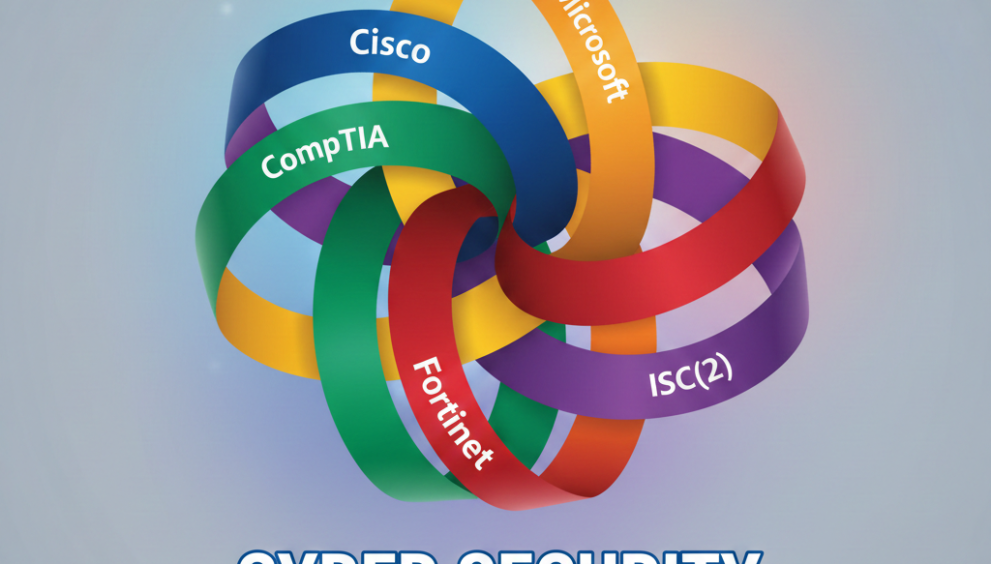
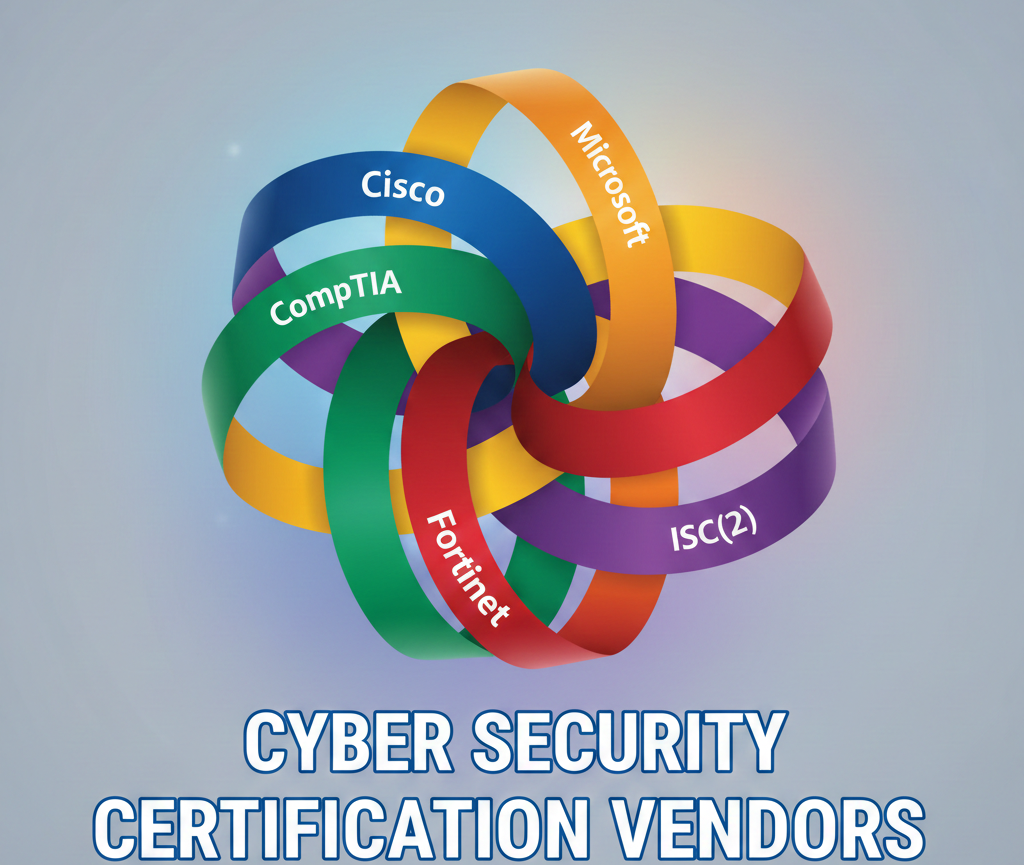
Cybersecurity has moved from a specialized technical concern to a board-level priority. Organizations across industries face persistent threats, regulatory pressure, and a growing shortage of skilled professionals. In response, the certification landscape has expanded rapidly, with different organizations offering credentials to validate security knowledge, operational capability, and strategic understanding. Cybersecurity certification vendors now play a central role in defining what it means to be “qualified” in security roles.
This article examines how these vendors shape the security workforce, how their certifications differ in purpose and philosophy, and how professionals should evaluate them within a long-term career context rather than as isolated credentials.
The Role Certification Vendors Play in Security Careers
Certification vendors act as standard setters for the cybersecurity profession. They determine which skills are worth validating, how competence is measured, and what knowledge is considered foundational versus advanced.
Unlike academic institutions, these vendors respond directly to industry needs. As threats evolve, certification objectives change to reflect real operational challenges such as cloud security, identity management, incident response, and governance. This responsiveness is one reason employers rely heavily on certifications when assessing candidates.
Vendors do more than issue exams; they influence hiring criteria, training programs, and professional development paths across the security industry.
Explore structured learning paths aligned with leading cybersecurity certification vendors: https://certempire.com/vendors
Why Cybersecurity Has Multiple Certification Authorities
No single organization owns cybersecurity as a discipline. Security spans networks, applications, cloud platforms, compliance frameworks, and human behavior. This diversity makes it difficult for one vendor to define all required competencies.
As a result, different vendors focus on different perspectives. Some emphasize technical controls and hands-on defense, others prioritize governance and risk, while some concentrate on platform-specific security implementation.
This fragmented landscape reflects the complexity of cybersecurity itself and explains why professionals often hold multiple certifications from different vendors.
How Vendors Define “Security Competence”
Certification vendors differ in how they define competence. Some view security as a technical discipline requiring configuration, monitoring, and troubleshooting skills. Others see it as a management function centered on policy, risk assessment, and compliance.
Exams are designed accordingly. Technical certifications may test scenario-based responses to incidents, while governance-focused credentials evaluate decision-making and organizational alignment. Understanding this distinction helps candidates choose certifications that align with their career goals rather than pursuing credentials that look impressive but offer limited relevance.
Vendor Influence on Job Role Expectations
Employers often align job descriptions with certification frameworks. For example, roles such as security analyst, security engineer, or security manager frequently reference specific certifications as benchmarks.
This alignment means certification vendors indirectly shape how roles are defined. A vendor’s exam objectives can influence what skills are considered essential for a role, even when those skills vary across organizations.
Professionals who understand this dynamic can select certifications strategically to match target roles and industries.
Comparing Major Types of Cybersecurity Certification Vendors
The table below illustrates how different vendor types position their certifications within the cybersecurity ecosystem.
| Vendor Focus | Primary Emphasis | Typical Audience |
|---|---|---|
| Vendor-neutral | Broad security principles | Entry to mid-level professionals |
| Platform-specific | Security implementation | Engineers and administrators |
| Governance-focused | Risk and compliance | Managers and leaders |
| Specialized security | Niche defense areas | Advanced practitioners |
This comparison highlights why no single vendor path suits every professional.
How Certification Philosophies Affect Exam Style
Exam design reflects vendor philosophy. Some vendors emphasize hands-on realism, presenting complex scenarios that require technical judgment. Others focus on conceptual understanding, testing how candidates reason about risk and policy.
These differences affect preparation strategies. Candidates who approach all security exams the same way often struggle because expectations vary significantly between vendors.
Effective preparation begins with understanding how a vendor thinks about security, not just what topics appear in the syllabus.
Career Progression and Certification Stacking
Cybersecurity careers rarely follow a straight line. Professionals often move between technical and strategic roles over time. Certification vendors accommodate this by offering tiered pathways that allow skills to be built progressively.
Early certifications typically establish foundational awareness. Intermediate credentials validate operational competence. Advanced certifications assess leadership, architecture, or strategic decision-making.
Professionals who view certifications as a progression rather than isolated achievements gain more long-term value from vendor ecosystems.
Common Missteps When Choosing Certification Vendors
A frequent mistake is selecting certifications based solely on popularity. While well-known credentials carry recognition, they may not align with a candidate’s actual responsibilities or career direction.
Another issue is over-specialization too early. Narrow certifications can limit flexibility if career interests shift. Conversely, remaining at a foundational level for too long may stall advancement. Choosing vendors requires an honest assessment of current skills, future goals, and market demand.
How Training Platforms Fit Into Vendor Ecosystems
Training platforms often act as bridges between candidates and certification vendors. They translate exam objectives into learning paths and practice environments.
Some professionals use structured preparation platforms such as Cert Empire when they want exposure to exam-aligned scenarios that reflect vendor logic rather than generic security questions. These platforms do not replace vendor frameworks but help candidates understand how certifications evaluate applied understanding. When used responsibly, training platforms support ethical and effective preparation.
Long-Term Value Beyond Certification Titles
While certifications open doors, their deeper value lies in shaping professional thinking. Vendors influence how practitioners approach security problems, communicate risk, and justify decisions.
Professionals who internalize these frameworks often perform better in real-world roles, regardless of the specific tools they use. Certification knowledge becomes a mindset rather than a static credential. This long-term impact is why vendor certifications remain relevant despite rapid technological change.
This concept is explained in greater depth in a YouTube video shared by Cert Empire.
Final Overview
Cybersecurity certification vendors play a defining role in how the industry measures competence and builds trust. Their credentials reflect diverse perspectives on security, from technical defense to strategic governance.
Professionals who understand vendor philosophies, exam intent, and career alignment can use certifications as powerful tools for growth rather than decorative achievements. When chosen thoughtfully, these credentials support adaptability, credibility, and sustained relevance in an ever-changing threat landscape.
FAQs
What are cybersecurity certification vendors?
They are organizations that design and issue credentials validating security knowledge, operational skills, or governance expertise, helping employers assess competence across technical and strategic cybersecurity roles.
Do different vendors focus on different security skills?
Yes, some vendors emphasize hands-on technical defense, others prioritize governance and risk management, while platform-specific vendors focus on securing particular technologies or ecosystems.
Are certifications from multiple vendors beneficial?
Holding certifications from multiple vendors can be beneficial because it demonstrates adaptability and understanding across different security perspectives, especially for professionals working in complex or hybrid environments.
How should professionals choose the right certification vendor?
Professionals should consider their current role, long-term career goals, industry demand, and the vendor’s certification philosophy to ensure alignment with real job responsibilities.