

 English

















































































































































































































































































































































































































































































































































































































































































































































































































































































































































































































































































































































































































































































LiDAR Sensors as Key Technology of the Future


The world of transportation is undergoing a massive transformation, one fueled by automation, smart communication, and connected vehicle ecosystems. In this shift, LiDAR sensor technology has emerged as one of the most crucial innovations. Capable of delivering precise environmental data in real time, LiDAR is becoming indispensable for autonomous vehicles, robotics, smart cities, and advanced mapping systems.
As mobility becomes more intelligent, organizations such as Suzuki R&D Center India are investing in sensor innovation to create safer and smarter transportation systems.
What is LiDAR and why does It Matter Today?
Many people ask, “What is LiDAR?”
LiDAR stands for Light Detection and Ranging, a remote sensing technology that uses laser beams to measure distance. By sending pulses of laser light and measuring how long they take to return, LiDAR creates highly accurate 3D representations of the surrounding environment.
Because of its exceptional precision, LiDAR is becoming essential for autonomous navigation, terrain mapping, hazard detection, and advanced driver assistance.
How LiDAR Works: The Science Behind Precision Mapping
Light Detection and Ranging Explained
To understand how LiDAR works, imagine a laser constantly sending out thousands of tiny light pulses. When these pulses hit an object like a pedestrian, car, building, or tree, they bounce back to the LiDAR unit. The time taken for the light to return is used to calculate the distance with remarkable accuracy.
This creates:
- A detailed 3D map
- Accurate depth perception
- Better object recognition
- Enhanced environmental awareness
Core Components of a LiDAR System
A typical lidar system includes:
- Laser emitter – Sends the light pulses
- Receiver – Captures returning signals
- Processor – Converts light reflection data into 3D coordinates
- Rotating or solid-state mechanism – Determines scanning pattern
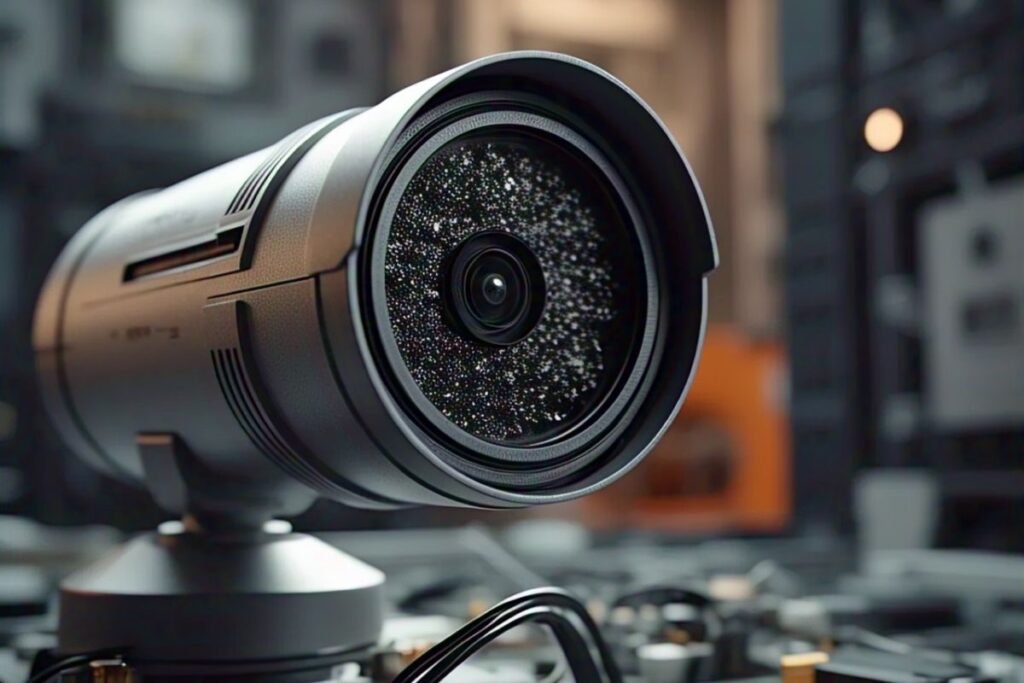
Together, these components enable LiDAR to function as the “eyes” of advanced mobility.
Types of LiDAR Used in Modern Automotive and Industrial Applications
LiDAR technology comes in multiple forms, each suited for different environments.
1. Mechanical LiDAR
These are the most common LiDAR units, featuring a rotating sensor that provides a 360-degree view. They offer high accuracy and are often used in testing or early-stage autonomous vehicles.
2. Solid-State LiDAR
A newer advancement, solid-state LiDAR sensors have no moving parts. They are compact, durable, and cost-effective, making them ideal for commercial automotive applications.
3. Flash LiDAR & Frequency-Modulated LiDAR
Flash LiDAR captures an entire scene at once, while FM LiDAR uses frequency shifts to measure depth. These types of LiDAR are growing in popularity for precision mapping and low-light detection.
Understanding the types of LiDAR helps engineers choose the right system depending on the required distance, resolution, speed, and environmental conditions.
The Use of LiDAR Sensors in Connected and Autonomous Mobility
LiDAR in Connected Vehicles & Smart Infrastructure
Connected mobility relies on seamless communication between:
- Vehicles
- Road infrastructure
- Pedestrians
- Networks and cloud systems
LiDAR contributes to connected vehicles by offering real-time sensing that complements camera, radar, and GPS data.
Connected Car Technology: Enhancing Safety & Decision-Making
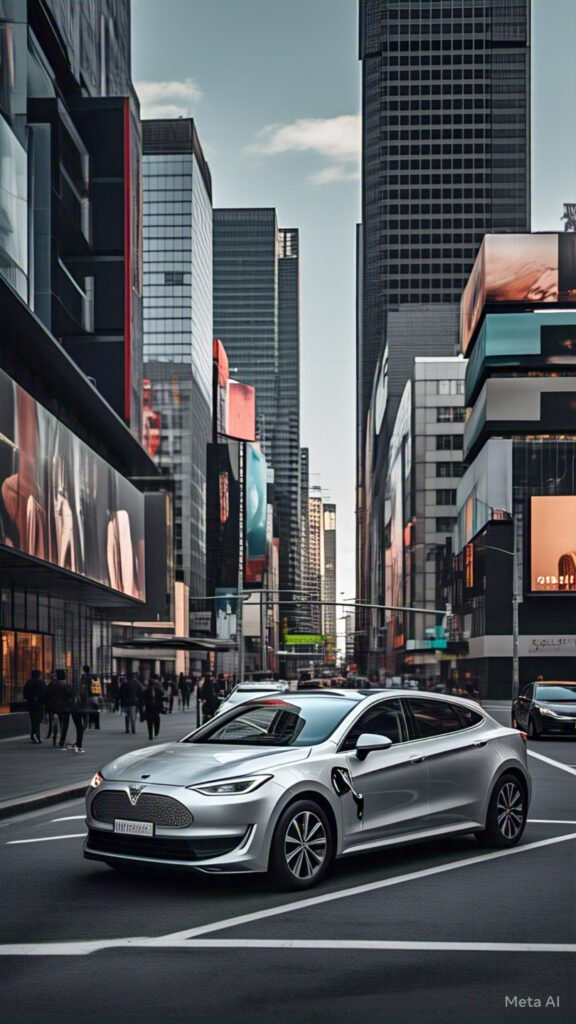
Modern connected cars use LiDAR to predict and respond to complex driving environments. For example, connected car technology relies on accurate 3D maps for:
- Traffic management
- Collision avoidance
- Blind spot detection
- Pedestrian recognition
- Obstacle anticipation
LiDAR strengthens these systems with high-resolution perception capabilities.
Integration of LiDAR With ADAS and Connected Car Devices
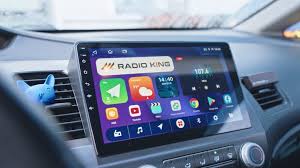
As automobiles become smarter, connected car devices such as ADAS controllers, navigation processors, and cloud communication modules all depend on accurate sensor data.
LiDAR supports:
- Adaptive cruise control
- Highway autopilot
- Urban navigation
- Automated braking
- Lane centering
Its ability to detect objects even in low light or poor weather makes it a key element of next-generation vehicle safety.
How LiDAR Sensor Technology Elevates Future Transportation
High-Definition Mapping & Real-Time Environment Modeling
LiDAR offers centimeter-level accuracy, enabling vehicles to map their surroundings in 3D. This is essential for:
- Route planning
- Obstacle avoidance
- Autonomous navigation
- Road edge detection
Improved Safety Through Accurate Object Detection
LiDAR’s precision enhances safety by identifying:
- Pedestrians
- Animals
- Vehicles
- Road barriers
- Traffic signs
Its accuracy ensures that even small or fast-moving objects are detected early.
Environmental Applications Beyond Automotive
Beyond cars and connected vehicles, LiDAR is widely used in:
- Urban planning
- Forestry
- Drones
- Agriculture
- Disaster management
- Meteorology
Its versatility positions it as a foundational technology for many industries.
How Suzuki R&D Center India Is Advancing LiDAR Research
Enhancing Vehicle Perception and Sensor Fusion
Suzuki R&D Center India focuses on creating smarter vehicles through sensor fusion, combining LiDAR data with radar, cameras, and AI algorithms. By integrating multiple sensors, they aim to improve perception accuracy and reliability in diverse road conditions.
Collaboration, Testing & Future Roadmap
Through global collaboration, rigorous testing, and continuous innovation, Suzuki R&D Center India plays an important role in shaping technologies that support both connected cars and advanced autonomous capabilities.
Challenges & Opportunities for Widespread LiDAR Adoption
Cost, Durability & Scalability
Large-scale adoption of LiDAR faces challenges such as:
- Higher production costs
- Harsh environment durability
- Miniaturization requirements
As manufacturing improves, LiDAR is expected to become more affordable and robust.
Infrastructure Readiness and Data Processing
Connected vehicles require:
- Better road mapping
- High-speed networks
- Cloud-supported systems
Processing massive LiDAR data in real-time is also a key engineering challenge.
Conclusion
LiDAR sensors have emerged as one of the most powerful technologies shaping the future of mobility, automation, and connected ecosystems. Whether for autonomous driving, environmental sensing, or connected car technology, LiDAR’s precision and reliability make it indispensable. As companies like Suzuki R&D Center India continue advancing sensor research, the future of intelligent transportation becomes safer, smarter, and more efficient.

