
 English





































































































































































































































































































































































































































































































































































































































































































































































































































































































































































































































































































































































































































































































































































































How Simulation Games Can Sharpen Your Decision-Making Abilities


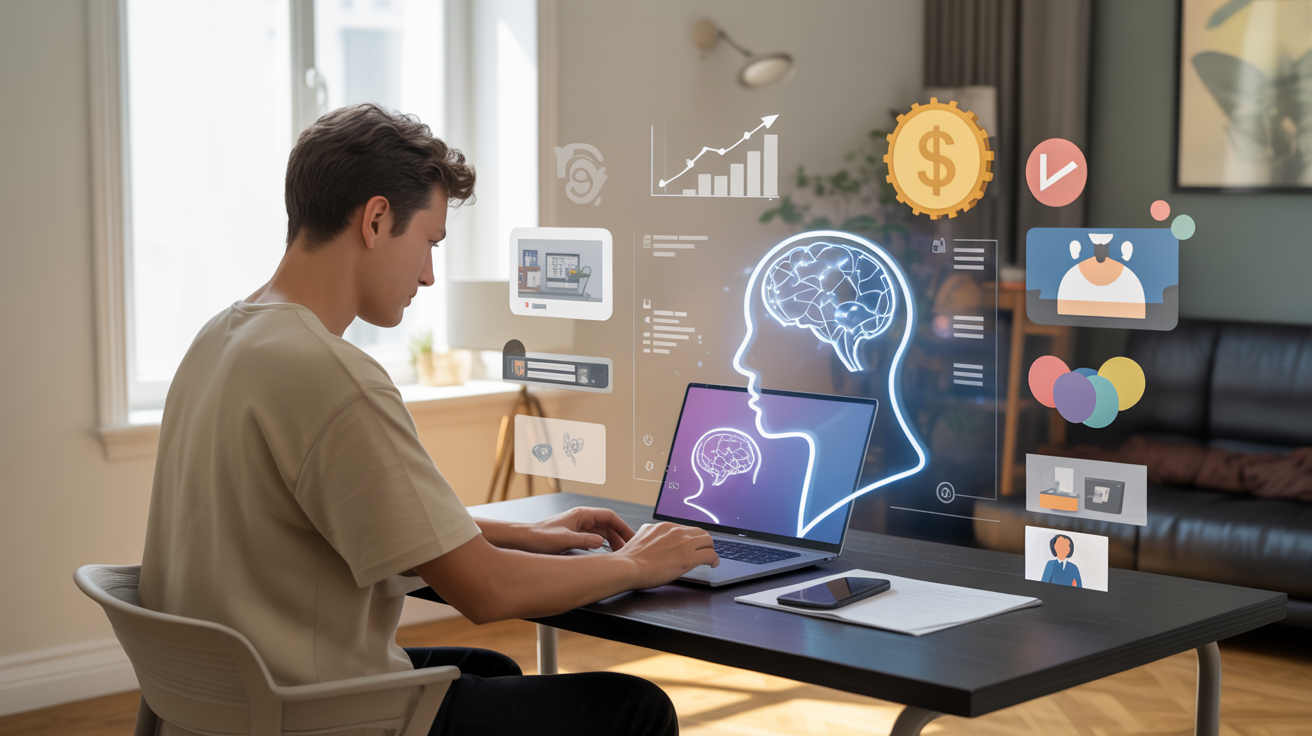
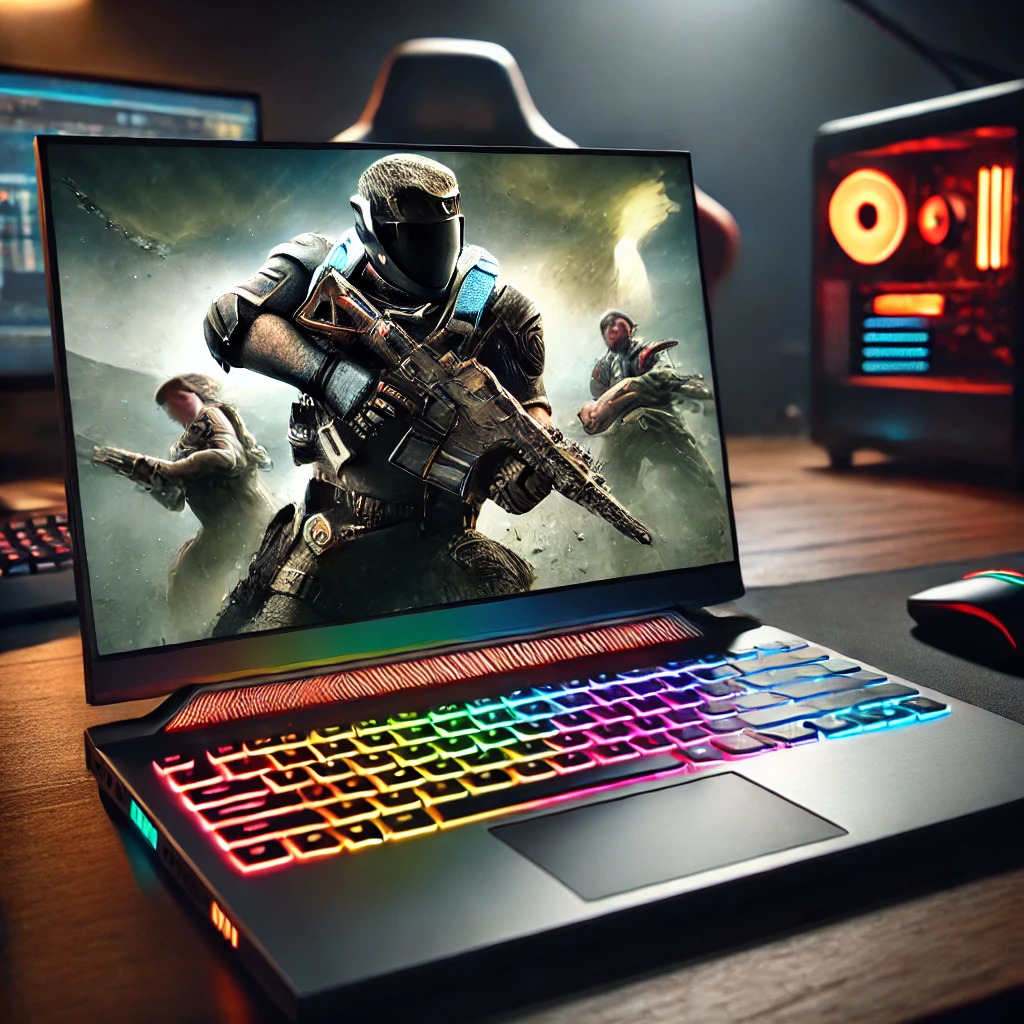
Making the right decisions quickly is a skill that can be challenging in both professional and personal life. Every choice we make, from career moves to daily tasks, requires analyzing information, weighing options, and predicting outcomes. While experience is often cited as the best teacher, there is a way to practice these skills in a low-risk environment: simulation games. These interactive tools allow players to engage in complex scenarios that mimic real-world challenges, helping them develop sharper decision-making abilities.
Simulation games are more than just entertainment they are structured experiences designed to test judgment and strategic thinking. For example, the mckinsey solve game is an online assessment used by consulting firms to evaluate problem-solving skills and decision-making under pressure. By simulating business scenarios or strategic dilemmas, games like this train players to analyze data, predict outcomes, and make informed choices quickly. Over time, participants build confidence and develop the ability to handle complex decisions more efficiently.
Understanding Simulation Games
Simulation games are digital or physical exercises that replicate real-life situations in a controlled environment. They vary in type and purpose, from business simulations to life scenario games and strategy-based challenges. The primary goal of these games is to create a space where players can test decisions and observe consequences without facing real-world risks. For instance, a business simulation may require players to allocate budgets, manage teams, or respond to market changes, while strategy games focus on resource management and long-term planning. By engaging with these scenarios, players experience realistic problem-solving situations that translate to practical skills.
Cognitive Benefits of Simulation Games
One of the most significant advantages of simulation games is their impact on cognitive skills. They enhance problem-solving abilities by forcing players to analyze complex situations, consider multiple variables, and anticipate potential outcomes. Strategic thinking also improves, as players must plan several steps ahead, evaluate risks, and adjust strategies based on results. Additionally, simulation games encourage adaptability players learn from mistakes and refine their approach without facing real-world consequences, which strengthens resilience and decision-making under pressure.
Decision-Making Skills You Can Develop
Simulation games help develop a range of crucial decision-making skills. First, risk assessment becomes more intuitive as players weigh options and consider potential rewards or losses. Prioritization and time management improve when players must allocate limited resources effectively. Analytical thinking and pattern recognition are honed as players track trends and identify effective strategies. In multiplayer simulations, collaboration and leadership skills are also strengthened, teaching players how to coordinate efforts and make group decisions under pressure. By practicing these skills in a virtual setting, players can approach real-life challenges with increased clarity and confidence.
In particular, the mckinsey solve game demonstrates how simulation-based assessments evaluate candidates’ decision-making abilities. Participants face scenarios requiring logical reasoning, strategy development, and prioritization, all under time constraints. By reflecting on their performance, players gain insight into their strengths and areas for improvement, allowing them to apply these lessons beyond the game.
Applying Simulation Game Skills in Real Life
The skills acquired through simulation games are highly transferable to real-life situations. For example, strategic planning learned in a virtual business simulation can help professionals make better decisions when managing projects or teams. Risk assessment skills can improve investment or career choices, while analytical thinking aids in problem-solving across industries. Moreover, regularly engaging with simulation games enhances mental agility, allowing players to think more clearly under pressure and respond effectively to unexpected challenges. By bridging the gap between virtual practice and real-world application, players develop both competence and confidence.
Tips for Getting the Most Out of Simulation Games
To maximize the benefits of simulation games, consider the following strategies:
-
Choose the Right Games: Select simulations aligned with your goals, whether they focus on business, strategy, or personal development.
-
Set Clear Objectives: Treat gameplay as practice by defining specific skills you want to improve.
-
Reflect on Decisions: After each session, review your choices, understand mistakes, and analyze alternative approaches.
-
Track Progress: Keep notes on strategies that work and areas where improvement is needed.
-
Combine with Learning Resources: Complement gameplay with articles, courses, or mentorship to deepen understanding of concepts.
By following these tips, players can turn casual gameplay into a structured learning experience that significantly enhances decision-making abilities over time.
Conclusion
Simulation games provide a unique opportunity to practice and refine decision-making skills in a safe, interactive environment. From improving strategic thinking and risk assessment to developing leadership and analytical abilities, the benefits extend far beyond the screen. Games like the mckinsey solve game illustrate how simulation exercises can prepare individuals for high-stakes scenarios in professional settings. By actively engaging with these tools and reflecting on your performance, you can sharpen your decision-making, boost confidence, and approach real-world challenges with greater clarity. Start exploring simulation games today, and turn every virtual decision into a stepping stone for real-life success.
